


Key Takeaways
- Apple is set to launch a smart home hub with a 7-inch display later this year, expected to integrate with various smart home devices.
- The device may feature a new operating system, homeOS, and will need to compete effectively on software integration and pricing to succeed.
- Future iterations may include advanced features like a robotic arm to follow users, highlighting Apple’s long-term commitment to smart home technology.
Apple’s Upcoming Smart Home Hub
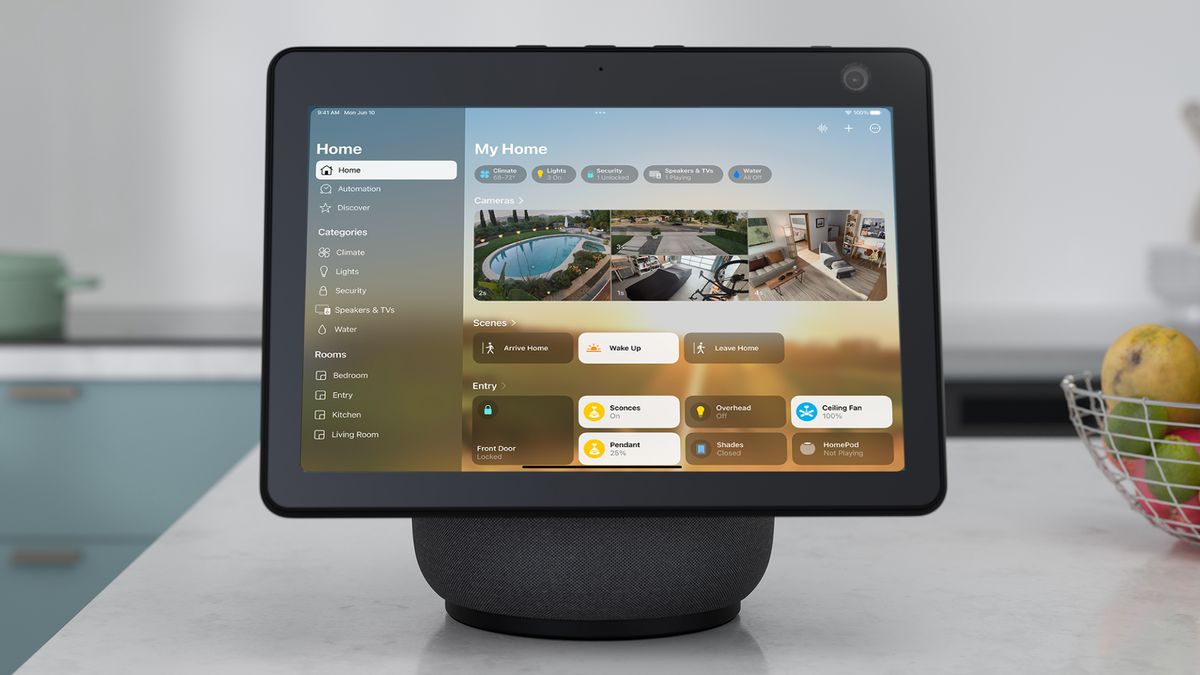
Apple is reportedly poised to launch its highly anticipated smart home hub later this year, aiming to carve out a more significant space in the smart home market. Details from Bloomberg’s Mark Gurman reveal that the device will feature a 7-inch display reminiscent of a smaller iPad, enabling users to control smart home appliances, conduct FaceTime calls, and perform various functions.
Described as “essentially a HomePod with a roughly 7-inch screen,” the product’s introduction is seen as a crucial move for Apple, showcasing its ambition to compete with established smart home giants like Google and Amazon. Gurman suggests that this could be Apple’s most notable release of the year, potentially setting new standards for smart home technology.
The upcoming hub is expected to serve as a platform for enhanced AI capabilities. Furthermore, Apple plans to follow up this initial release with a more advanced version in the future, which may include sophisticated features such as a robotic arm that allows the screen to follow users around a room.
**Challenges Ahead for Apple’s Smart Home Hub**
Despite the promising features, Apple faces substantial challenges to ensure its home hub’s success. The company must refine its software ecosystem—particularly HomeKit, Siri, and Apple Intelligence—to offer users experiences competitive with current industry leaders.
Additionally, rumors suggest that Apple is developing a dedicated operating system named homeOS for the hub. If true, this new platform will need to boast a user-friendly interface to ease customers into its functionalities. Known for creating intuitive interfaces, Apple’s challenge lies in maintaining this reputation while introducing a fresh software environment.
Pricing will also be a determining factor for the hub’s competitive edge. Historically, Apple’s focus on premium features tends to result in higher price points, as illustrated by the costs associated with products like Vision Pro and the original HomePod. However, as Apple enters the smart home space relatively late, a well-priced product could entice consumers.
Speculative pricing for the hub suggests it will fall between that of the HomePod Mini, priced at $99, and the base iPad, which retails at $449. This gap presents Apple with a challenge of crafting a product that balances quality with affordability to avoid alienating potential customers.
While uncertainty remains about Apple’s ability to meet these challenges effectively, the company’s resources and dedication to innovation position it well within the market. As the launch date approaches, it will become evident whether Apple can deliver a competitive product that meets consumer expectations in the smart home arena.
The content above is a summary. For more details, see the source article.









