


Key Takeaways
- AstraZeneca and Future Biogas have launched the UK’s first unsubsidized biomethane plant in Lincolnshire, aimed at supporting the life sciences sector.
- The plant will provide renewable energy equivalent to heating over 8,000 homes annually while enhancing the UK’s green energy capacity.
- The facility incorporates carbon capture technology, enabling the reuse and potential permanent underground storage of CO2 emissions.
New Biomethane Plant Operational
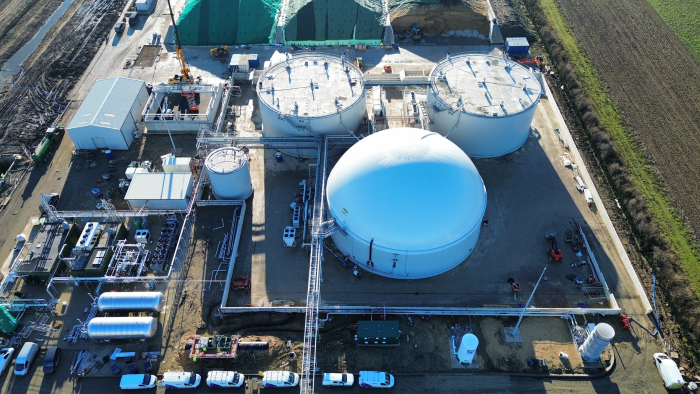
AstraZeneca and Future Biogas have announced the inauguration of the UK’s first unsubsidized biomethane plant located in Gonerby Moor, Lincolnshire. This facility is set to become a key player in providing clean energy specifically for AstraZeneca’s research and development, as well as its manufacturing operations in the UK. The plant’s launch is a significant milestone in the pharmaceutical company’s ongoing commitment to sustainability and environmental responsibility.
Operating continuously, the biomethane plant is designed to generate enough energy to heat over 8,000 homes annually. This initiative not only supports AstraZeneca’s operations but also contributes to increasing the renewable energy capacity within the UK. Liz Chatwin, the Vice President of Global Sustainability and SHE at AstraZeneca, emphasized the company’s dedication to climate action, stating that by investing in unsubsidized biomethane production, the firm aims to decarbonize healthcare and significantly reduce carbon emissions while bolstering the renewable energy infrastructure.
Innovatively, the plant includes advanced carbon capture technology that collects carbon dioxide emitted during the biomethane production process. The captured CO2 can either be recycled into various other industries or, in the long run, stored underground, effectively removing it from the atmosphere. This feature aligns with broader objectives to mitigate climate change and enhance carbon management strategies.
In collaboration with local farmers, the crops utilized to produce the biomethane will be sourced from within a 15-mile radius of the plant. Future Biogas aims to support local agriculture by establishing five-year feedstock contracts, which provide farmers with increased financial security. These contracts help address the challenges posed by fluctuating food crop prices and the impacts of climate change. The feedstock utilized for biogas production will be certified by the International Sustainability and Carbon Certification (ISCC), ensuring it meets strict criteria for environmental and social sustainability.
Philipp Lukas, CEO of Future Biogas, remarked on the significance of the project, highlighting that the launch of the Moor Bioenergy plant exemplifies how innovation can foster meaningful change. He described the initiative not just as a means of generating renewable gas, but also as a pivotal moment for prompting other companies to take necessary steps toward decarbonizing their industrial gas and heat usage.
Overall, this new biomethane plant represents a forward-thinking approach to sustainability within the life sciences sector, setting an example for industry-wide shifts toward greener energy solutions.
The content above is a summary. For more details, see the source article.









