


Key Takeaways
- Indie beauty brands are facing rising costs and margin pressures due to tariffs and geopolitical conflicts.
- The ongoing Iran war is impacting supply chains, leading to potential shortages and increased prices for packaging materials.
- Brands are urged to adjust sourcing and logistics strategies, including planning orders earlier to mitigate risks.
Supply Chain Challenges in the Indie Beauty Sector
Despite the challenges posed by the pandemic and soaring tariffs, the indie beauty sector initially appeared stable, continuing to source packaging mainly from China while producing domestically. However, a closer look reveals that the industry is under significant strain, facing rising costs and a cautious consumer base reluctant to pay higher prices for beauty products.
The current conflict in Iran is adding to these complications, potentially increasing operational costs and further pressuring consumers’ pocketbooks. Allison Kent-Gunn Garibay, founder of 3E Beauty Consulting, warns that the industry is likely building up risks that could manifest in the near future.
Indie brands are grappling with considerable increases in tariff costs, affecting their margins significantly. Analyst data shows that while conglomerate-owned brands saw a slight increase in average unit prices, indie brands had a more pronounced decline. In the 52 weeks ending November 2025, prices for indie facial skincare products fell by 9% to $6.22, while prices for conglomerate brands rose by 0.7% to $10.14.
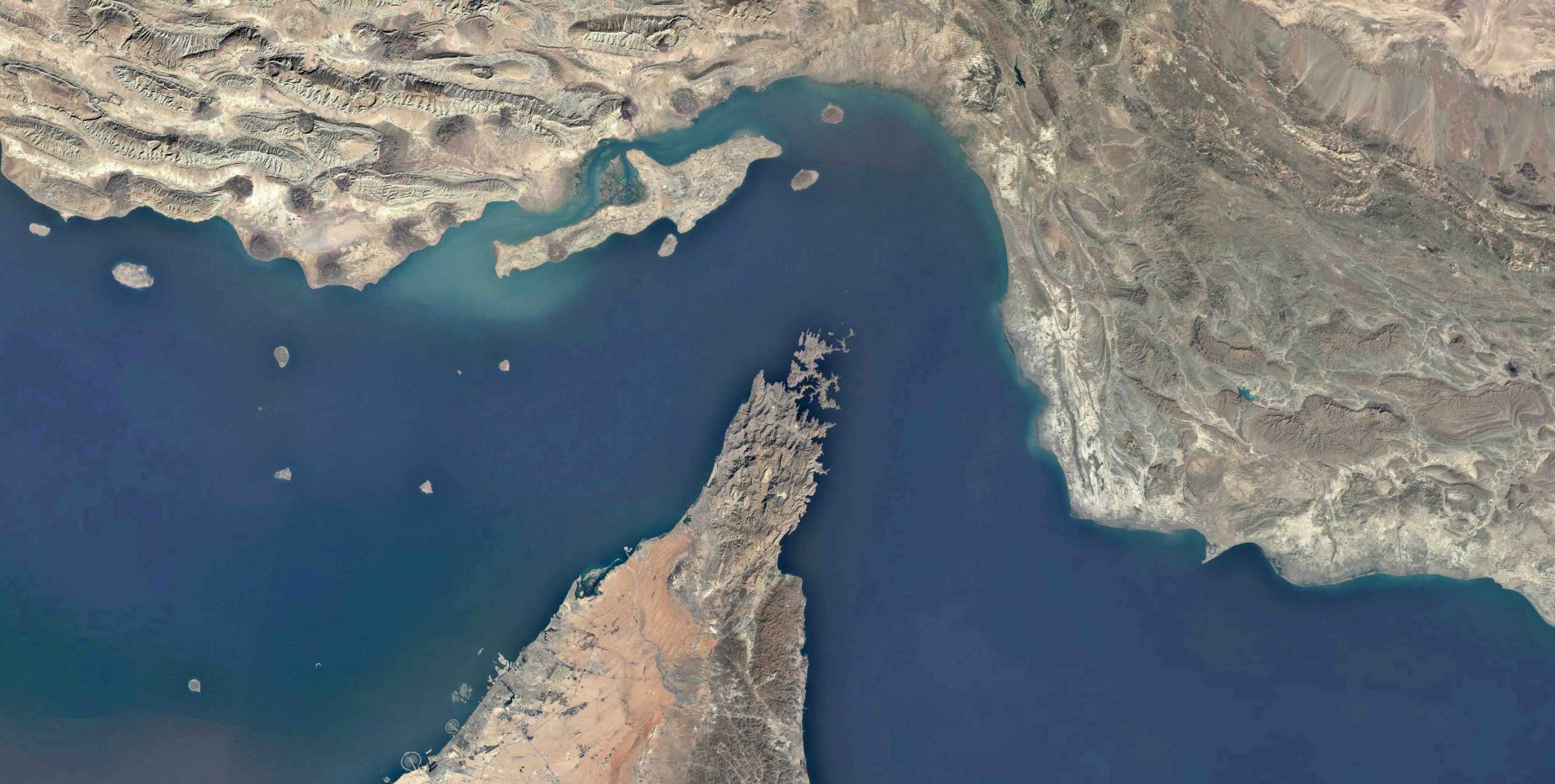
The situation escalated in the fourth week of the Iran conflict, which has disrupted key energy chokepoints like the Strait of Hormuz, leading to a spike in global oil prices. Consequently, gas prices in the U.S. have surged over 30%.
Beauty brands are now re-evaluating their supply chains and sourcing strategies amid the escalating geopolitical tensions. President Donald Trump noted on social media that the U.S. is close to meeting its objectives in the conflict, although the situation remains fluid and uncertain.
Packaging costs have surged as well, with certain plastic packaging prices climbing by up to 30%, and industry leaders foresee more increases depending on the duration of the conflict. Companies like Pacific Packaging Components are attempting to absorb or negotiate these rising costs, but with growing lead times and concerns about limited future supply.
Marcel Lopez of PropelBeauty has observed a 10% to 15% increase in polyethylene packaging prices, noting that any extended conflict could further disrupt supply chains as China may prioritize domestic needs over exports.
As supply chain stresses mount, competitive behaviors can drive prices even higher, as companies scramble to secure necessary materials. However, brands that rely heavily on glass packaging are currently less affected, though rising energy costs may soon force prices up across all packaging types.
Despite the beauty sector being somewhat insulated from Middle Eastern transport disruptions, delays in shipments of essential components, like textile pouches, are still causing challenges. Jiyuh Kim, CEO of Hae CPG, describes alternative sourcing and transportation strategies being implemented to navigate delivery issues.
Learning from the pandemic, supply chain managers are advising brands to place orders 30 to 60 days in advance, and to consider developing secondary sourcing options to enhance flexibility. As retailers prepare for upcoming seasons, it’s crucial for brands to engage their customers with innovative offerings.
Many brands are exploring domestic sourcing for packaging components to mitigate geopolitical risks. However, logistical difficulties remain for brands with custom requirements.
While the holiday sales season is approaching, potential impacts on inventory and shortages could be felt, especially by brands relying on single suppliers. Overall, brands must carefully weigh their pricing strategies against the backdrop of these compounding pressures to navigate the uncertain landscape.
The content above is a summary. For more details, see the source article.









