


Key Takeaways
- The Pentagon has awarded Boeing the NGAD contract for a new sixth-generation fighter jet, the F-47.
- The F-47 is designed to have advanced stealth capabilities and fly alongside autonomous drones.
- Boeing’s contract entails significant investments and aims to strengthen the defense industrial base amid recent challenges.
New Era for Air Combat
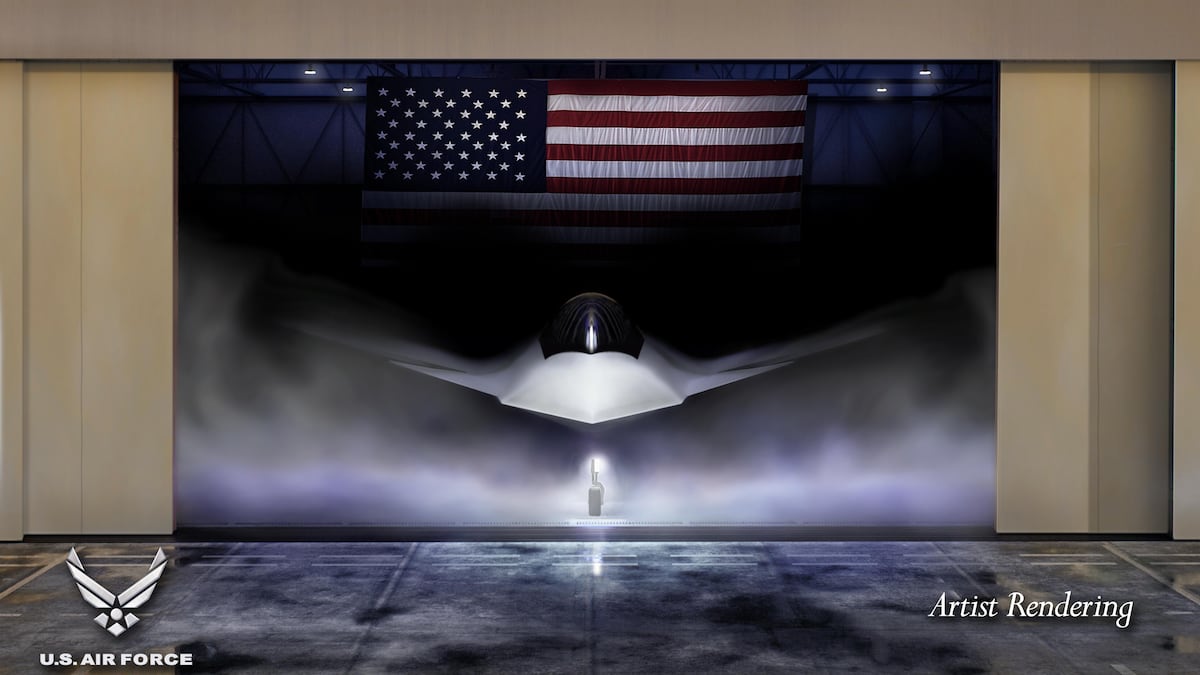
The Pentagon has awarded a contract to Boeing for the Next Generation Air Dominance (NGAD) program, which will develop the cutting-edge F-47 fighter jet to replace the F-22 Raptor. President Donald Trump announced the contract in an Oval Office presentation, underscoring the advanced stealth capabilities of the F-47, stating it would be “virtually unseeable.” Designed to operate alongside autonomous drones, referred to as collaborative combat aircraft, the F-47 aims to revolutionize air combat.
Air Force Chief of Staff Gen. David Allvin highlighted that the F-47 will be “the most advanced, lethal, and adaptable fighter ever developed,” signaling a shift in warfare dynamics. The competition for the NGAD project was primarily between Boeing and Lockheed Martin, following Northrop Grumman’s decision to withdraw from contention earlier in 2023. Lockheed Martin expressed disappointment over the award but has yet to indicate plans for a protest.
Boeing’s Chief Executive for Defense, Space, and Security, Steve Parker, emphasized the company’s substantial investments towards creating the sixth-generation fighter. Boeing aims to leverage this opportunity to address current market challenges that include quality issues and management controversies stemming from previous product failures and significant financial losses.
The F-47 will integrate seamlessly with a ‘family of systems’ that includes advanced sensors, weaponry, and satellite connectivity, tailored to counter threats from advanced adversaries such as China. The Air Force has also been developing affordable and autonomous drones to support the F-47 in various operations, including reconnaissance and electronic warfare.
While Boeing’s success in securing this contract is crucial for its reputation, industry experts note that the company has faced considerable setbacks, including issues related to its commercial and defense aircraft divisions. Doug Birkey from the Mitchell Institute for Aerospace Studies recognized the importance of competition in the defense sector, noting that it enhances innovation and production capability—however, he also reminded that Boeing must deliver on its promises.
The contracted agreement for the F-47 consists of a cost-plus incentive structure, meaning Boeing will receive reimbursement for its expenses alongside potential bonuses based on performance. The contract encompasses the maturation, integration, and testing phases, which include the development of several test aircraft.
Air Force officials noted that experimental versions of the NGAD have been active for the past five years, boasting hundreds of flight hours while exploring new technologies. The timeline suggests that the F-47 could be operational by the end of Trump’s presidential term, significantly ahead of its rivals.
Allvin dismissed claims from China about having tested its sixth-generation aircraft, asserting that the F-47 is the true world leader in this category. He indicated that the aircraft will cost less than the F-22 and surpass the Raptors in numbers within the Air Force fleet.
Trump chose not to disclose specific costs for the F-47, citing the sensitive nature of the technologies involved. However, it is projected that the Air Force will allocate $20 billion towards the NGAD program from 2025 to 2029. This program’s financial aspect had previously raised concerns, with estimations that costs could soar to near $300 million per unit, prompting a temporary suspension of development last year.
Final decisions on operational bases and additional elements related to the F-47 will unfold in the coming years as the fighter moves closer to full operational capability. Trump also mentioned the possibility of exporting the fighter to allies, potentially with modified specifications to safeguard the U.S.’s technological advantages.
The content above is a summary. For more details, see the source article.









