


Key Takeaways
- BYD’s new Blade Battery 2.0 offers over 1,000 km range and can be charged to 70% in just five minutes.
- The new “flash charging” system requires innovative stations and is expected to significantly improve charging infrastructure.
- BYD plans to deploy 20,000 flash chargers by the end of the year, enhancing overall EV charging efficiency.
Introduction of Blade Battery 2.0
Last week, Chinese electric vehicle (EV) manufacturer BYD unveiled its Blade Battery 2.0, claiming a remarkable range of over 1,000 km according to China’s CLTC rating system, which translates to approximately 725 km (or 450 miles) using the US EPA testing standards. Importantly, this new battery can be charged in just 10 minutes, contingent upon the use of specialized charging stations.
Innovative Flash Charging System
BYD has also introduced a new flash charging system that can deliver an impressive 1,500 kW of power. This technology allows the Blade Battery to charge from 10% to 70% in just five minutes, or from 10% to 97% in nine minutes. If these claims hold true, this breakthrough could eliminate the practical need for traditional gasoline vehicles, offering a range comparable to a full gas tank, but with faster refueling times.
Operational Readiness and Infrastructure Plans
While skepticism exists around new battery technologies, BYD’s scale and experience as the largest EV manufacturer lend credibility to its advancements. The company states that the Blade Battery is set to be implemented in 10 production models, including the Yangwang U7 and Seal 07. BYD’s flash charging system represents a 50% enhancement over its previous 1,000 kW Super E-platform, introduced last year. Currently, the company has 4,239 flash chargers in operation and aims to increase that number to 20,000 by year-end. While it’s not fully confirmed if the new stations will operate at the full 1,500 kW capacity, even the existing 1,000 kW offers significantly faster charging than what’s typically available in Western markets.
Design Features of New Charging Stations
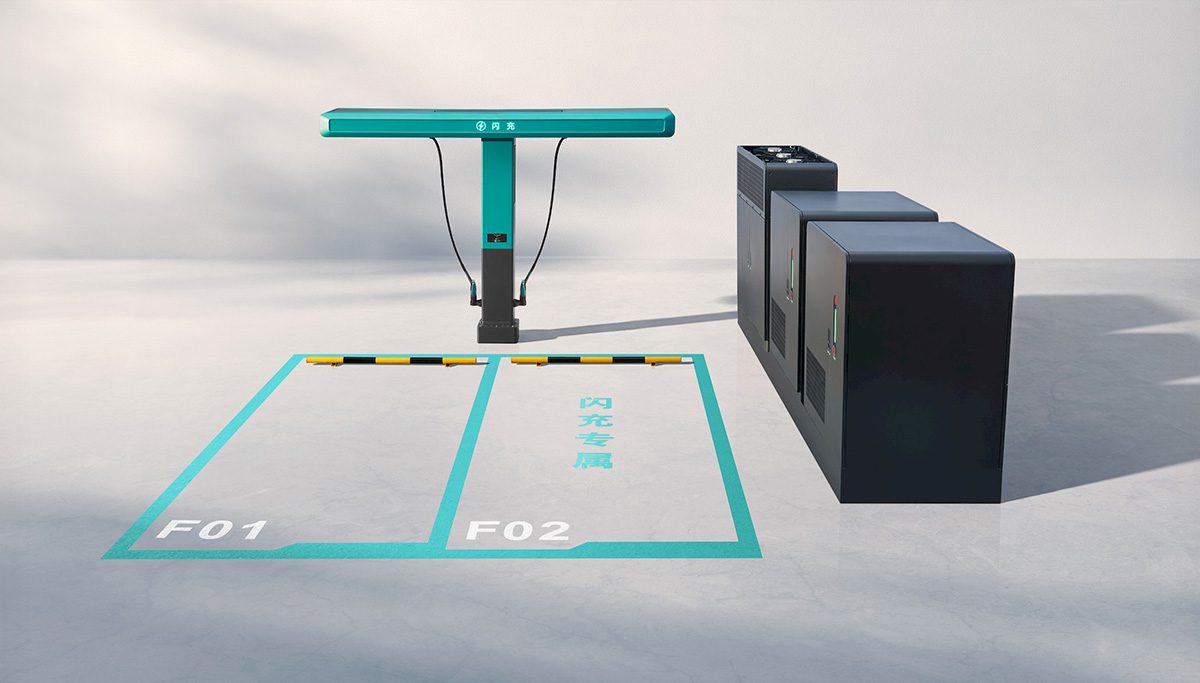
The flash chargers boast an innovative overhead design that improves accessibility and security. The charging cables hang from a T-shaped overhead rack, allowing drivers to connect from either side and accommodating pull-through charging for vehicles with trailers or trucks. This design keeps cables off the ground, reducing the potential for damage and enhancing user experience.
BYD’s developments in battery technology and charging infrastructure could mark a significant shift in the EV landscape, presenting a compelling alternative to conventional gasoline vehicles while improving the overall charging experience for users.
The content above is a summary. For more details, see the source article.









