


Key Takeaways
- The Digital Agriculture Mission utilizes AI and big data to improve crop management and productivity.
- Government initiatives support farmer cooperatives and agri-tech startups to enhance market access and income.
- Efforts are being made to reduce chemical fertilizer use and improve water efficiency through sustainable practices.
Government Initiatives to Transform Agriculture
The Indian government has launched several initiatives aimed at modernizing agricultural technology to boost productivity, sustainability, and farmers’ income. Prominent among these is the Digital Agriculture Mission, which employs advanced technologies like Artificial Intelligence (AI), Big Data, and geospatial data to facilitate effective crop monitoring, soil management, and accurate weather forecasting.
According to Bhagirath Choudhary, the Minister of State for Agriculture and Farmers Welfare, the Indian Council of Agricultural Research (ICAR) has developed an impressive 2,900 crop varieties over the past decade. Of these, 2,661 varieties are resilient to various biotic and abiotic stresses. In addition to crop varieties, ICAR has introduced 156 technologies, including machines and protocols for both production and post-harvest activities.
To disseminate these advancements, Krishi Vigyan Kendras (KVKs) and State Agricultural Universities (SAUs) are actively conducting training sessions, field demonstrations, and skill development programs targeting small and marginal farmers. These initiatives aim to make agriculture more efficient and financially rewarding.
In terms of agricultural marketing, the government has introduced a series of measures such as e-NAM (National Agriculture Market), Kisan Rail, and Kisan Udan to enhance logistics for farmers. The promotion of Farmer Producer Organizations (FPOs) is a key strategy to eliminate intermediaries and enhance market access. The growth of agri-tech startups and online platforms like AGRI-Bazaar facilitates direct sales between farmers and consumers, which is expected to improve pricing and boost farmer income.
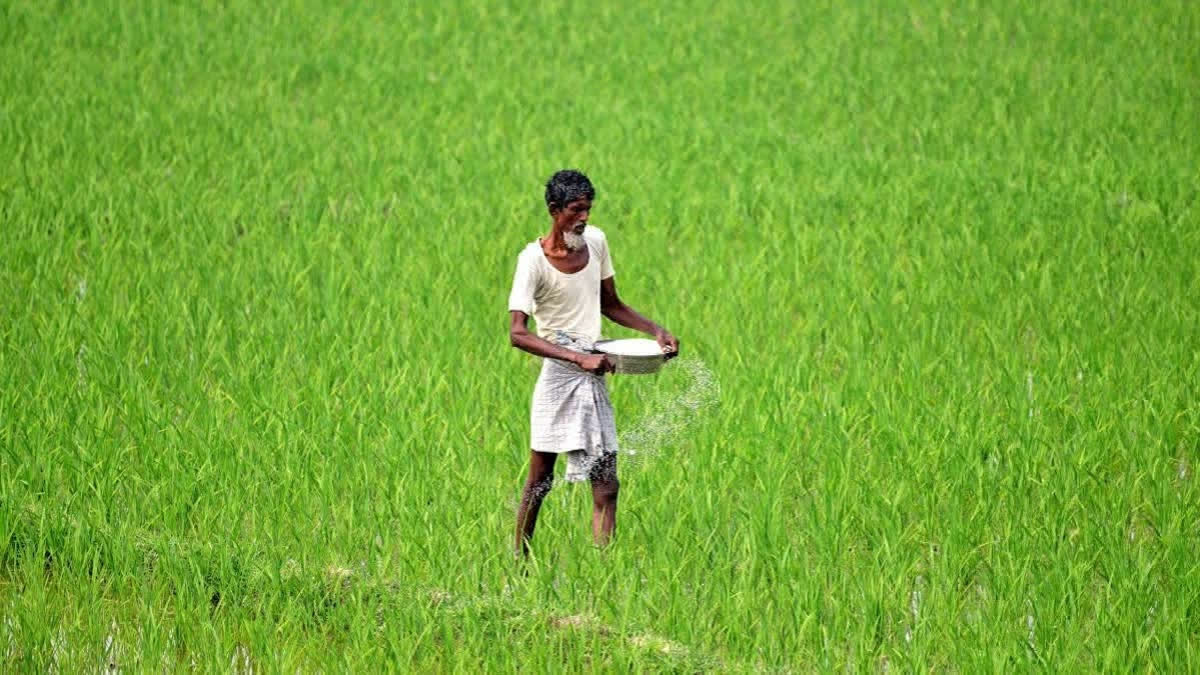
ICAR also emphasizes the importance of soil health through soil test-based nutrient management, advocating for a balanced use of both inorganic and organic fertilizers. This approach aims to lower the dependency on chemical fertilizers and enhances overall soil health. Additionally, the judicious use of water is encouraged through efficient irrigation techniques, including micro-irrigation, which can significantly conserve water resources.
The Soil Health Card Scheme is another government initiative designed to guide farmers in using soil-appropriate fertilizers, thereby reducing waste and increasing productivity. Furthermore, the Per Drop More Crop (PDMC) scheme supports state governments in enhancing water use efficiency, aiming to lower costs and augment farm incomes.
Lastly, the Pradhan Mantri Kisan Sampada Yojana has been introduced to promote value-added processing, extend the shelf-life of agricultural products, and link farmers with agro-industries, reinforcing the government’s commitment to enhancing agriculture in India.
The content above is a summary. For more details, see the source article.









