


Key Takeaways
- China’s aggressive pursuit of renewable energy does not signal a shift away from fossil fuels, as the country continues to rely heavily on coal.
- The U.S. and China have similar energy mixes, but differences exist in their fossil fuel sources and energy policies.
- Experts recommend a stable industrial policy for America to transition effectively to electric vehicles, emphasizing battery technology investment.
China’s Energy Landscape: Continuity Amid Transition Hype
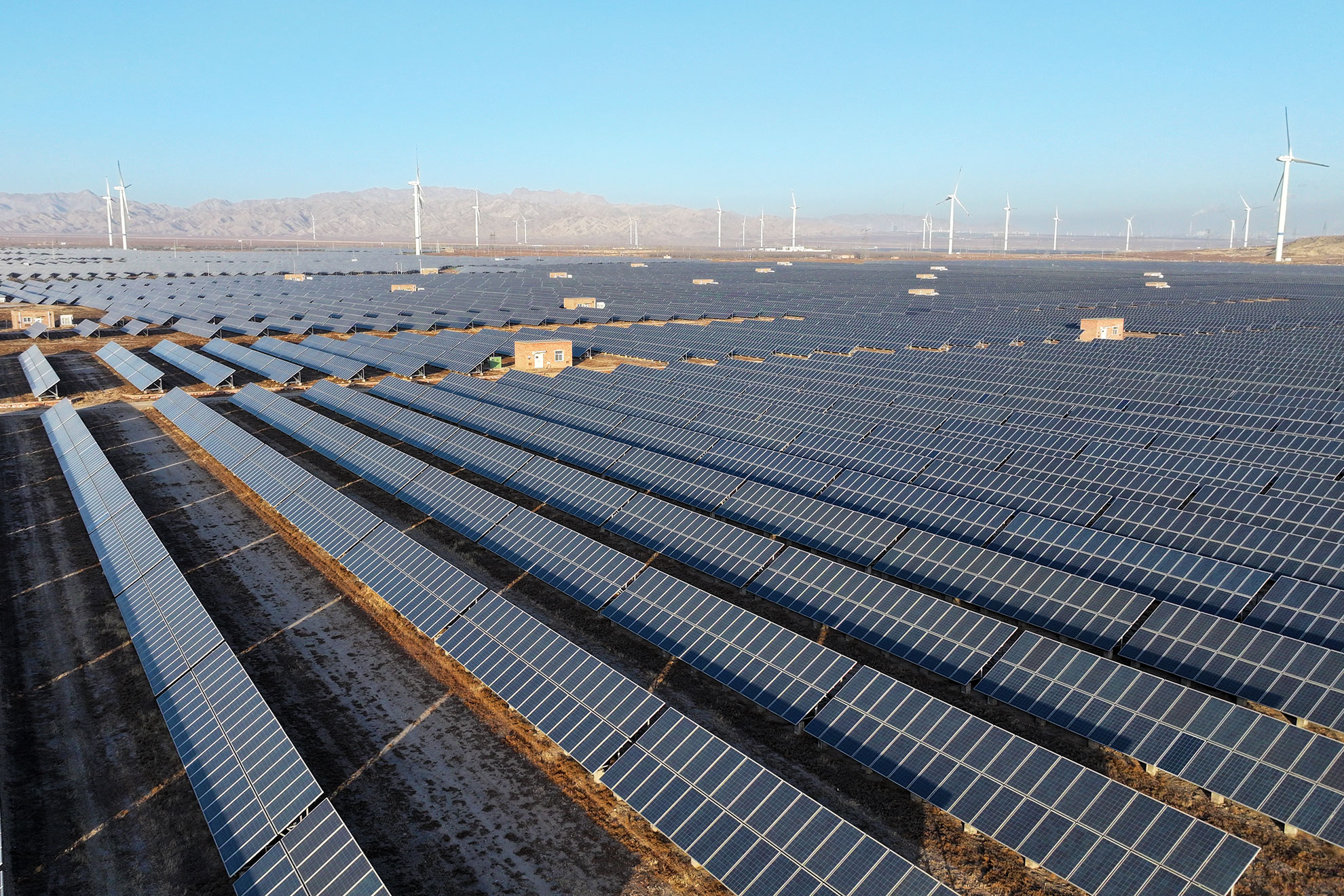
China’s drive for electric vehicles (EVs) and renewable energy technologies is fueled more by its growing energy demand than by a genuine commitment to clean energy, analysts said during a panel at the Kennedy School. Notably, the nation dominates global solar panel trade and has the largest wind power capacity but still generates 60 percent of its electricity from coal, showing little sign of slowing down fossil fuel use alongside its renewable energy initiatives.
Yasheng Huang, a professor at MIT, remarked, “We see addition, not transition,” highlighting that China is expanding both renewable and fossil energy sources simultaneously. In terms of carbon dioxide emissions, China outpaces Europe and the U.S., thus indicating that a real energy transition is not underway.
At the seminar sponsored by the Mossavar-Rahmani Center, discussions also touched upon the varying energy policies of China and the U.S. Excluding hydropower, both countries demonstrate similar energy portfolios: China’s focus remains on coal, while the U.S. relies more on natural gas. However, crucial distinctions are evident—China is entirely dependent on oil imports, while the U.S. has become a leading producer.
Elaine Buckberg, a visiting scholar at Harvard, pointed to China’s coherent industrial policy as a significant advantage. She argued that the U.S. should adopt a similar approach, particularly focused on EVs, as the future of the auto industry is shifting in that direction. A stable, narrow policy targeting EVs and enhancing battery technology would foster better conditions for U.S. automakers.
Concerns also arise about the implications of Chinese EVs entering the U.S. market. Buckberg highlighted two major national security risks: the potential for surveillance due to features in modern EVs and the need to protect domestic manufacturing capabilities.
China’s EV sector, heavily supported by government planning, once boasted around 800 companies, now reduced to under 100 after a consolidation process that drove innovation. Despite China’s strengths, there are signs of economic turbulence, particularly in its housing market, prompting discussions about the sustainability of its rapid growth. Huang warned that the Chinese economy may be approaching a critical inflection point, suggesting that enhanced worker benefits should be prioritized to maintain stability.
Overall, the narratives surrounding China’s energy policies reveal complexities beyond simple clean energy transitions, indicating a multifaceted approach to current and future energy needs.
The content above is a summary. For more details, see the source article.









