


Key Takeaways
- China’s 10-year agricultural plan aims to enhance food security, productivity, and farmers’ incomes through reforms and technology.
- The plan sets targets for grain production and self-sufficiency in key agricultural products by 2027, with aspirations for full rural revitalization by 2050.
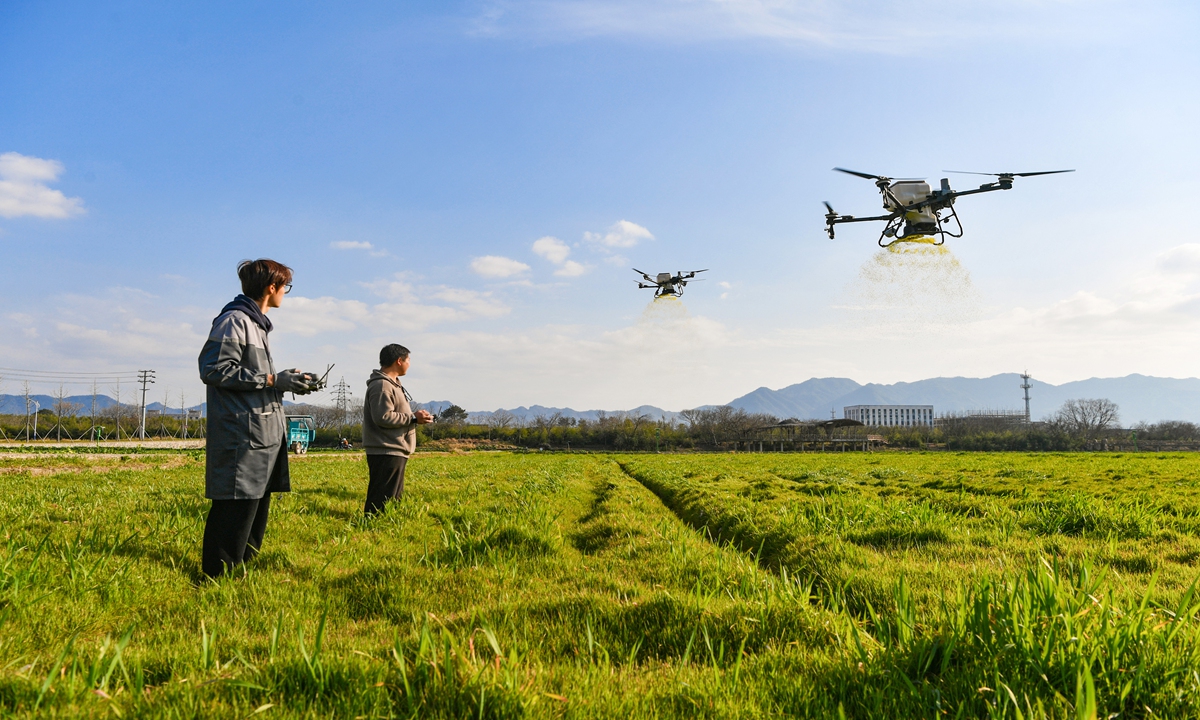
- Technological advancements, including smart farming and seed industry revitalization, are prioritized to modernize agriculture and improve the food supply system.
New Agricultural Development Plan Unveiled
China has introduced a comprehensive 10-year master plan for agricultural development, focusing on key objectives to ensure national food security, enhance agricultural productivity, and increase farmers’ incomes. Released by the General Office of the Communist Party of China Central Committee and the State Council, the plan aims to leverage reform, opening-up, and technological innovation to achieve its goals.
Among its main targets, the plan strives for an annual grain production capacity of 1.4 trillion jin (around 700 million tons) and aims to maintain a reasonable self-sufficiency level in vital agricultural products by 2027. By 2035, the vision includes significant advancements in rural revitalization and agricultural modernization, with full rural integration expected by mid-century.
The plan outlines seven core objectives that focus on securing food supply through enhanced grain production capabilities and increasing self-reliance in high-end agricultural technology. In seeking to expand international collaboration, China will also enhance foreign investment opportunities in agriculture.
Key priorities include improving yield and quality of staple crops, particularly rice and wheat, while also unlocking production potential for oil crops like rapeseed and peanuts. The modern livestock and vegetable supply chains will see enhancements, with goals to boost vegetable production in cooler climates and improve competitiveness across the pork, dairy, beef, and fish sectors.
Moreover, China will diversify food resources through eco-friendly aquaculture, regulated marine fishing, and biotechnology initiatives, including synthetic biology and edible fungi production. This comprehensive approach emphasizes that food security encompasses not only grain but also products like meat, eggs, and milk.
The seed industry is also highlighted as crucial to agricultural success. The plan aims to achieve technological independence in seed development through joint research programs and the commercialization of bioengineered seeds. These initiatives will help secure control over vital genetic resources.
To facilitate these advancements, the plan promotes a nationwide upgrade of agricultural machinery, emphasizing research, development, and domestic production of essential parts. This modernization is aligned with broader national industrial upgrades aiming for a 25% investment increase in various sectors by 2027 compared to 2023.
Lastly, the integration of digital technologies with agriculture is a vital component of the modernization initiative. The application of innovations such as AI, big data, and the Internet of Things is reshaping the industry, exemplified by advancements in the handling and sorting of crops using smart systems, which are notably efficient and precise.
The content above is a summary. For more details, see the source article.









