


Key Takeaways
- Seventy percent of Thousand Oaks is classified as a “very high” fire hazard zone, prompting the city to enhance its resiliency efforts.
- Cities like Portland and Salt Lake City are tackling extreme heat and pollution while implementing sustainable initiatives to improve infrastructure.
- Thousand Oaks passed a Climate and Environmental Action Plan and joined the Clean Power Alliance, significantly reducing greenhouse gas emissions.
Thousand Oaks Faces Environmental Challenges
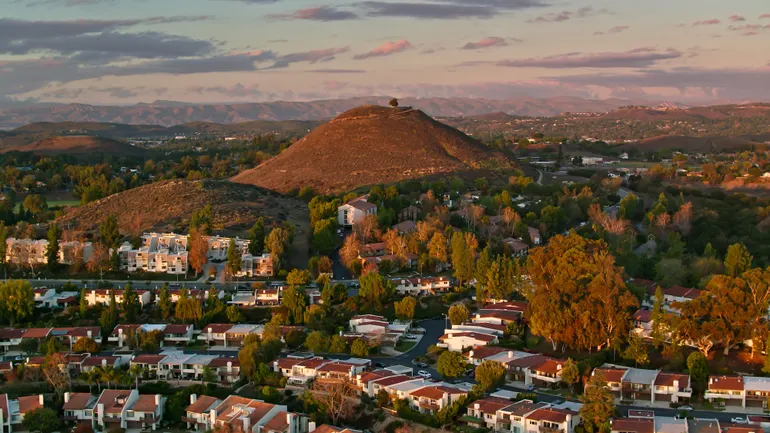
Thousand Oaks, California, is recognized for its beautiful landscapes adorned with oaks, yet these natural features contribute to its vulnerabilities. According to Mayor David Newman, 70% of the city is now designated as a “very high” fire hazard severity zone. Recent events, including record-breaking power outages impacting essential services, have underscored the necessity for enhanced resiliency measures.
Across the U.S., cities are adapting to increasingly extreme and unpredictable weather patterns. In Portland, Oregon, where summers have become significantly hotter, Councilor Candace Avalos highlighted a proposed “right to cooling” law requiring landlords to provide air conditioning. Heat-related fatalities are on the rise, with the Environmental Protection Agency confirming heat as the leading cause of weather-related deaths.
Salt Lake City, facing its own climate challenges, is making strides towards sustainability. Mayor Erin Mendenhall noted the city’s efforts, including a solar farm that saved $1 million in utility costs in its first year. Smaller initiatives, such as promoting electric transportation and providing free bus passes, also contribute to a more resilient infrastructure.
Meanwhile, in Moab, Utah, a small town grappling with the implications of climate change and increased flooding, Mayor Joette Langianese emphasized the importance of a renewable energy goal set for 2030. The town is enhancing its landscape and stormwater management to mitigate flooding and extreme heat impacts.
Thousand Oaks has joined the Clean Power Alliance, significantly cutting its greenhouse gas emissions. Additionally, the city is electrifying its vehicle fleet and removing non-native species that pose fire hazards. Newman elaborated on how the city’s Climate and Environmental Action Plan includes strict goals for achieving carbon neutrality.
City officials underscore the interconnected nature of climate action with transportation, housing, and urban planning. Portland’s clean energy surcharge tax on major corporations has generated nearly $1 billion for climate initiatives, emphasizing corporate responsibility in combating pollution.
Even as federal administration policies shift, city leaders maintain a commitment to proactive climate action. Mayor Newman concluded that addressing climate change, public safety, and community resilience are intertwined goals essential for the well-being of cities. The combined efforts of various municipalities demonstrate a concerted push towards sustainable practices and resilience against the pressing challenges of climate change.
The content above is a summary. For more details, see the source article.









