Key Takeaways
- The parachute for ESA’s ExoMars mission must be 10,000 times cleaner than a smartphone.
- Rigorous sterilization processes are crucial to prevent contamination of Mars by Earth microbes.
- The mission will launch in 2028, aiming to discover signs of life beneath the Martian surface.
Sterilization Process of ExoMars Rover Parachute
Albert Haldemann, chief engineer for ESA’s Mars missions, outlines the careful sterilization process of the ExoMars Rosalind Franklin rover’s parachute. This parachute, measuring 35 meters in diameter, is crucial for ensuring a safe landing on Mars. Before launch, it is subjected to rigorous cleaning, needing to be at least 10,000 times cleaner than a typical smartphone.
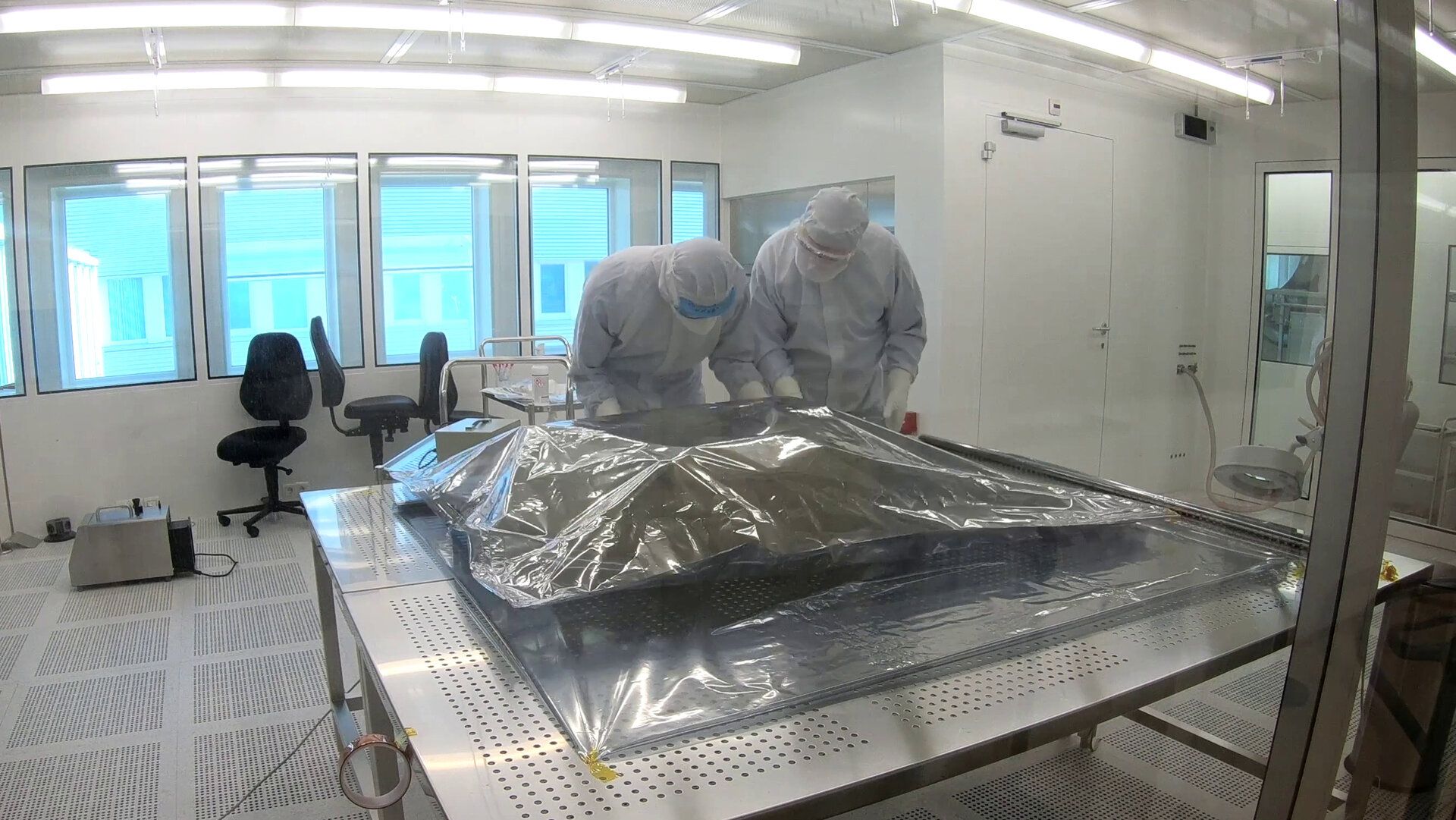
To eliminate any microbes that might have been introduced during its time on Earth, the parachute is placed in a specialized dry-heat sterilizer at the European Space Agency’s Life Support and Physical Sciences Laboratory. The cleanroom environment plays a critical role, featuring a two-stage air filtration system that ensures any airborne contaminants are filtered out. Anyone entering this chamber must don protective gear—akin to what surgeons wear—and pass through an air shower designed to further reduce contamination risk.
Weighing 74 kg and constructed from nylon and Kevlar, the parachute is designed to slow the spacecraft’s descent through the thin Martian atmosphere over a six-minute period. This parachute is set to become the largest ever deployed on Mars, marking an important milestone not only for the mission but for space exploration in general.
Scheduled for a 2028 launch, the ExoMars Rosalind Franklin rover will embark on a mission that lasts over 25 months, searching for potential signs of life beneath the Martian surface. The exploration is spurred by the possibility of both past and contemporary life existing on Mars, necessitating stringent sterilization efforts. This is vital to avoid “forward contamination,” which could result in Earth microbes interfering with the rover’s investigations, leading to false discoveries.
Adherence to international planetary protection regulations is imperative; it safeguards both the Martian environment and the integrity of the mission itself. This proactive approach underlines ESA’s commitment to responsible space exploration as the world turns its gaze toward understanding life beyond Earth.
The content above is a summary. For more details, see the source article.