


Key Takeaways
- Democrats may oppose the farm bill unless it addresses SNAP cuts imposed last year.
- Concerns over fertilizer shortages are rising due to conflict in the Middle East, impacting U.S. agricultural production.
- The NFU is advocating for comprehensive agricultural reforms in response to financial pressures on farmers.
Democratic Support for Farm Bill Amid SNAP Concerns
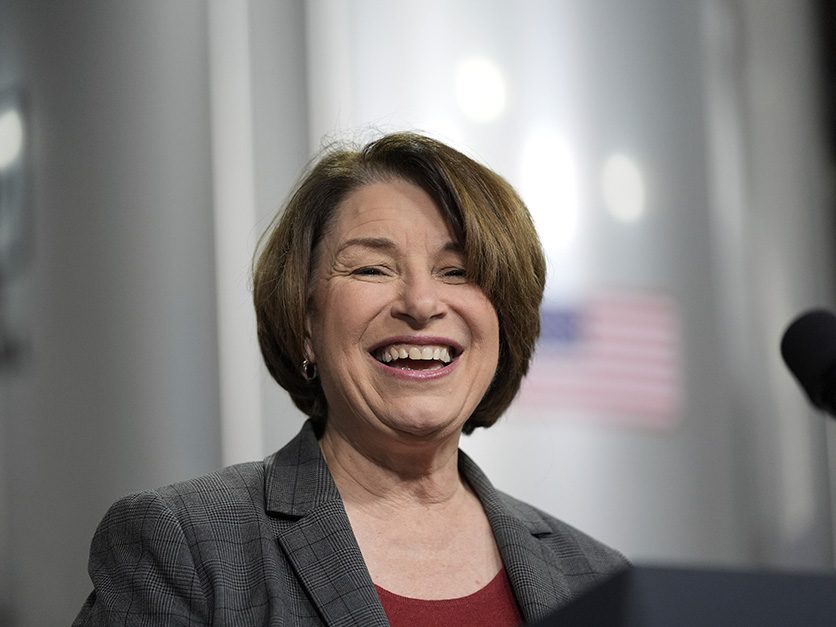
The House Agricultural Committee’s recent farm bill has garnered considerable Democratic backing, with seven committee Democrats voting in favor. However, Senate Agriculture Committee’s top Democrat, Amy Klobuchar, warns that the bill will not secure support from Senate Democrats without addressing the controversial cuts to the Supplemental Nutrition Assistance Program (SNAP). Klobuchar cited the One Big Beautiful Bill Act, which mandates states to cover a portion of SNAP costs when exceeding a specified payment error rate. She believes these constraints will unite Senate Democrats against the current proposals.
Fertilizer Shortages Linked to Middle East Conflict
As major farm organization leaders prepare to testify at a Senate Agriculture Committee hearing, discussions will likely focus not only on domestic agricultural markets but also on global uncertainties tied to ongoing conflict in the Middle East, which threatens fertilizer availability. According to Dan Basse, president of AgResource Co., the implications of the conflict could unsettle U.S. agriculture and spike prices. Basse highlighted that Brazil, a significant producer of corn and soybeans, faces increased risks if tensions continue into June, aligning with critical crop planting periods.
Call for Action on Fertilizer Supply
Zippy Duvall, president of the American Farm Bureau, has urged President Trump to take steps to secure U.S. fertilizer supplies amidst worries about a potential production crisis. Duvall’s letter recommended measures such as employing the U.S. Navy to protect fertilizer transport routes and to address financing hurdles for carriers. He emphasized that any production shock from fertilizer shortages poses risks to food security and could exacerbate inflation across the economy.
Monthly Crop Report and Rising Corn Prices
Expectations for USDA’s upcoming crop report suggest stability similar to February’s data, but market analysts will be scrutinizing any implications tied to the Iranian conflict. Dan Basse anticipates shifts in planting as approximately 1 million acres intended for corn may transition to less fertilizer-dependent soybeans due to rising nitrogen costs. The USDA will also face calls for reviews of its forecasting methods, which have recently come under criticism for inaccuracies.
NFU Proposes Comprehensive Agricultural Legislation
At the National Farmers Union convention, members approved a series of proposals targeting the immense financial pressures on farmers, reminiscent of the 1980s crisis. The NFU is advocating for comprehensive agricultural legislation to address safety nets, job creation, and long-term market development. Specific proposals include a moratorium on farm loan foreclosures and measures to tackle market consolidation.
End of Paper-Packaging Checkoff Program
The USDA has officially terminated the paper and paper-based packaging checkoff program following overwhelming support for its dissolution from industry stakeholders. The decision follows a referendum in which approximately 73.5% of paper manufacturers voted to end the program established in 2014.
Funding for School Kitchen Upgrades
In a move to enhance nutritional standards, the USDA allocated $20 million to schools for upgrading kitchen equipment necessary for scratch cooking. Announcement of these funds came during a School Nutrition Association conference, where officials discussed forthcoming proposals aimed at improving school meal compliance with dietary guidelines.
Final Thoughts on Fertilizer Prices
Sen. Roger Marshall of Kansas has expressed hope that the ongoing conflict in the Middle East will soon resolve, alleviating high fertilizer prices. He acknowledged the existing challenges and emphasized the need for attention to stabilize agricultural inputs.
The content above is a summary. For more details, see the source article.









