


Key Takeaways
- Calls for nationwide E15 sales are intensifying amid political pressure and rising fuel prices.
- Legislative progress is being hampered by divisions among lawmakers and a lack of timely voting on proposed bills.
- Key agricultural events and discussions highlight the evolving landscape of U.S. trade and biofuel legislation.
Michigan Corn Farmer’s Rallying Cry
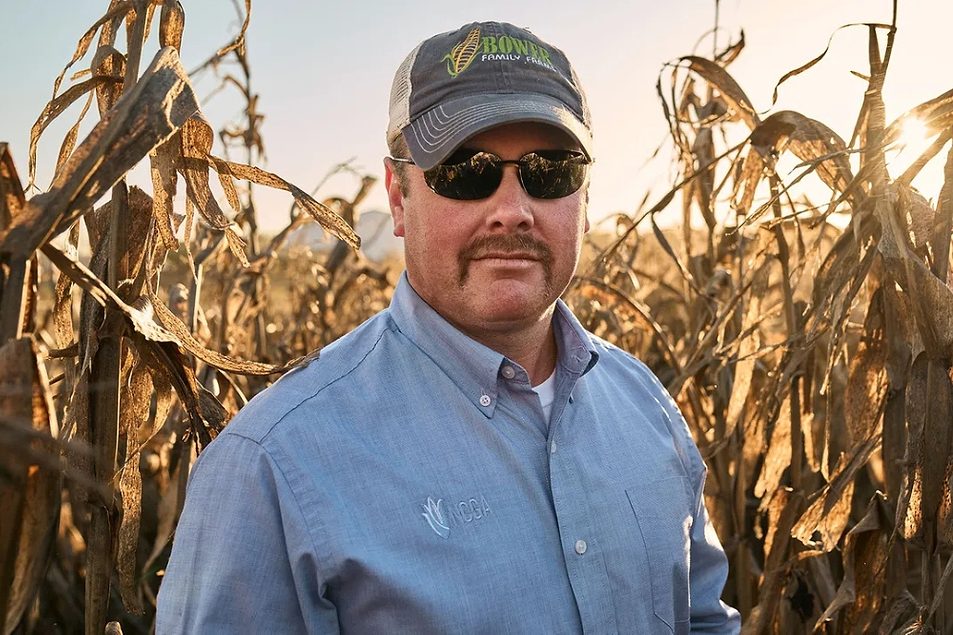
At the recent Commodity Classic in San Antonio, Ohio corn farmer Jed Bower ignited enthusiasm among over 12,000 attendees with his call to action for year-round E15 sales. Representing the National Corn Growers Association, Bower voiced frustration over delays in legislation that would allow the higher ethanol blend to be sold nationwide. He emphasized the urgency for farmers to rally and contact representatives, expressing annoyance at being stymied by major industries.
Growth Energy CEO Emily Skor noted a “positive movement forward” in Washington, urging continued advocacy from the agricultural community to stress the economic importance and affordability of E15. The call for urgency follows rising gasoline prices, which are expected to soar due to geopolitical tensions, notably the U.S. stance on Iran. The biofuel sector views the push for E15 sales as crucial to counteract these spikes.
Political tensions are also escalating as both Democrats and Republicans ramp up their criticism of each other ahead of the midterm elections. Senator Tammy Duckworth (D-Ill.) criticized House Speaker Mike Johnson (R-La.) for not meeting Congressional deadlines related to E15 legislation. She highlighted bipartisan efforts to get an E15 bill included in recent funding discussions that were ultimately stalled due to procedural delays.
U.S.-India Trade Developments
Meanwhile, India is exploring potential rebalancing of its trade agreement with the U.S., contingent on recent tariff changes. Commerce Minister Piyush Goyal indicated that the evolving trade landscape might prompt modifications to the U.S.-India pact. This follows the elimination of certain tariffs initially imposed under the Trump administration, with Goyal expressing flexibility in renegotiating terms if market conditions shift.
The current agreement includes an 18% reciprocal tariff on Indian exports, while exemptions apply to specific agricultural sectors. Both sides have anticipated tariff reductions in select areas, although uncertainty remains as the U.S. plans potential increases on tariffs.
USDA Climate Data Lawsuit Settlement
In other news, a federal judge has approved a settlement obligating the USDA to release climate data following a lawsuit aimed at preserving transparency after the agency attempted to remove significant information from its website. The settlement mandates that the USDA must provide climate mapping data and ensure public access to climate resources until this information is fully shared.
Personal Tragedy in Congress
Additionally, Danise Baird, the wife of Indiana Rep. Jim Baird, has passed away due to complications related to a car accident earlier this year. Her family is mourning the loss of a devoted mother and loving wife, known for her dedication to family and community.
Upcoming Agricultural Policy Summit
The Agri-Pulse annual Ag & Food Policy Summit later this month will feature insights from Rep. Shontel Brown, vice ranking member of the House Agriculture Committee. The summit will address the future of U.S. agriculture, focusing on themes like market expansion, renewable fuels, and trade.
In summary, the agricultural sector is at a critical junction, as rising fuel prices and political maneuvering influence the future of biofuel legislation and trade agreements. Farmers and industry leaders are urged to maintain momentum in their advocacy efforts to ensure favorable outcomes that support economic growth in the agricultural field.
The content above is a summary. For more details, see the source article.









