


Key Takeaways
- Senate GOP plans to act on five nominations, including Robert F. Kennedy Jr. for health secretary.
- House Republicans are facing delays in finalizing a budget resolution amid ongoing internal negotiations.
- Bipartisan lawmakers are pressing the EPA to expedite biofuel mandates to support rural economies and investment growth.
GOP Nominations and Budget Negotiations
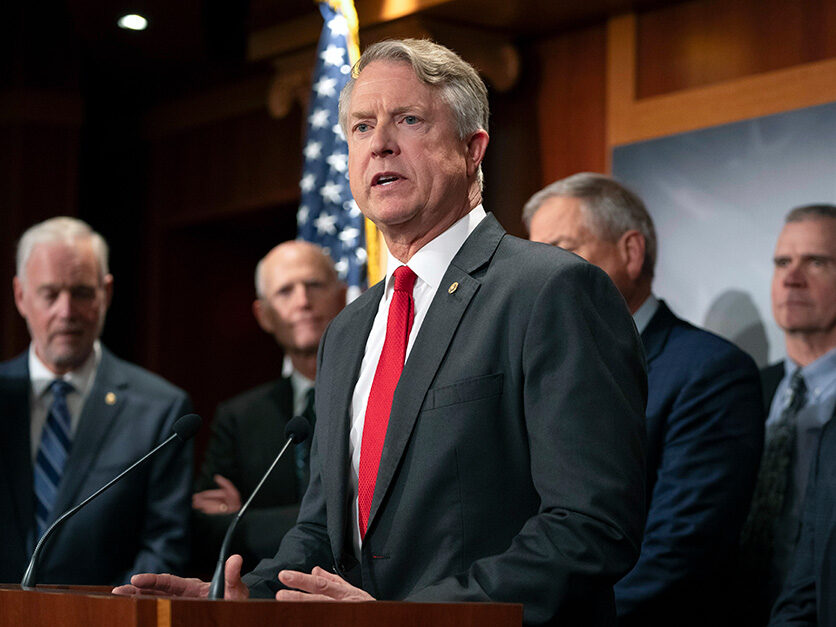
Senate Republican leaders are preparing to move forward with several key nominations, notably Robert F. Kennedy Jr. for the position of Secretary of Health and Human Services, alongside Brooke Rollins for Secretary of Agriculture. Rollins’ nomination is not contentious, while Kennedy has drawn support from Republican Senator Roger Marshall of Kansas, who believes Kennedy will ultimately receive Senate confirmation despite his ongoing critiques of mainstream agricultural practices.
Meanwhile, House Speaker Mike Johnson from Louisiana indicated that the timeline for a budget resolution has faced setbacks. Although he mentioned the GOP is “very, very close” to a spending and tax cut agreement, the proposed budget markup may be postponed to ensure essential details are addressed. In contrast, Senate Republicans are adhering to a two-step plan to develop their FY25 budget resolution, focusing initially on increasing military and border security spending, with tax cuts to be considered later.
Japan Leans Toward U.S. Ethanol Imports
In international relations, Japanese Prime Minister Shigeru Ishiba expressed interest in boosting imports of U.S. ethanol during a joint press conference with former president Trump. Ishiba highlighted that increasing these imports could help reduce the trade deficit between Japan and the U.S., a primary concern for Trump. Japan aims to raise its ethanol blending targets significantly, demonstrating a commitment to enhancing energy diversity and agricultural partnerships with American farmers.
Trump assured Ishiba that U.S. agricultural states would benefit from this shift, particularly Iowa and Nebraska, as Japan announced new blending goals of 10% by 2030 and 20% by 2040, compared to the current rate of 1.8%.
Challenges for USAID and Innovation Labs
The dismantling of the U.S. Agency for International Development (USAID) is temporarily halted following a federal judge’s ruling that aligned with federal unions. The plan to drastically reduce USAID’s workforce from 14,000 to fewer than 300 personnel faced legal challenges, with the judge highlighting the risk of “irreparable harm” to employees. Notably affected are the Feed the Future Innovation Labs, such as the Soybean Innovation Lab at the University of Illinois, which will close due to a lack of funding from USAID. This closure will result in the loss of 30 specialized staff members and a setback for U.S. agricultural expansion.
Goldsmith, the director of the Soybean Innovation Lab, lamented the impact on U.S. soybean farmers and the loss of a vital resource to enhance global agricultural practices. The return on investment from these innovation programs has been reported to be substantial, emphasizing their critical role in supporting low-income individuals.
Legislature Urges Action on Biofuel Policies
A bipartisan coalition of House lawmakers is pushing the Environmental Protection Agency (EPA) to expedite biofuel usage mandates. They are requesting the setting of at least 15 billion gallons for conventional renewable volume obligations (RVOs) to reflect growth in renewable diesel and forward-looking cellulosic biofuels. The lawmakers expressed concern that delays from the Biden administration in finalizing mandate volumes have hindered investment and negatively impacted rural economies and gas prices.
Additionally, the U.S. Supreme Court has declined the request from the Trump administration to delay judicial proceedings regarding small refinery exemptions, which could affect the agency’s previous refusal of 105 exemption applications. This ruling signifies continued scrutiny of the administration’s biofuel policy decisions as they navigate through ongoing legal challenges.
In response to these developments, Representative Mike Turner of Ohio emphasized the importance of government employees, highlighting the need for coherent messaging to maintain effective foreign policy and governance.
The content above is a summary. For more details, see the source article.









