


Key Takeaways
- The inaugural Australian Defense Tech Hackathon connected over 200 participants to address defense challenges for ADF.
- Twenty-one teams developed projects focusing on technology such as drone and counter-drone systems, utilizing challenges sourced from international partners.
- The top three projects included solutions for crowd-sourced drone defense, shielded systems manufacturing, and integrated threat detection platforms.
Event Overview
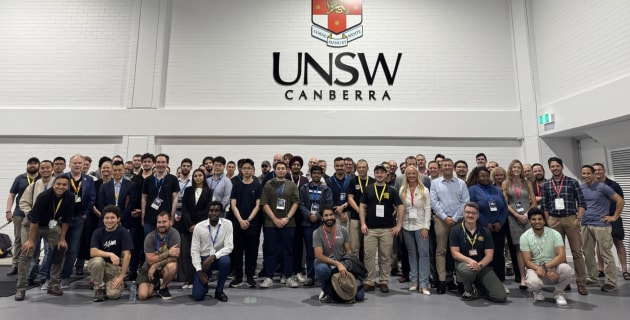
The Australian Defense Tech Hackathon (ADTH) took place from February 6-8 in Canberra, hosted by the European Defense Tech Hub (EDTH). The event gathered more than 200 participants, including innovators and defense stakeholders, to confront critical Australian defense and security issues.
EDTH co-founders Ben Wolba and Rhys Kissell envisioned ADTH as an extension of their efforts to foster a pan-European defense innovation network. After discussions in Ukraine, the concept was pitched to UNSW Canberra and Beaten Zone Ventures, who provided enthusiastic support. Noteworthy sponsors included Advent Atum, GDI Strategies, and others.
Wolba highlighted that the ADTH aimed to adapt their successful European model to reflect Australia’s specific geographic and security challenges. This event marks the first of several planned for 2026, extending across Europe.
The Hackathon featured the expertise of over 50 volunteer mentors, including military personnel from Australia and the US, and industry leaders, many of whom worked tirelessly alongside teams.
Participants tackled 17 predefined challenge statements from various domains such as OSINT, computer vision, and electronic warfare, along with projects of their own choosing. The challenge statements were drawn from NATO, the EU, and Ukraine, but tailored to address local needs.
A panel of seven judges evaluated the projects, with representation from international defense backgrounds. The winners included:
- Crowd Shield: A defense solution for identifying and neutralizing unauthorized drone activities through crowd-sourcing.
- HPM and Shielding Solutions: Designed a system for manufacturing shielded components in small labs.
- Circinus: Developed a cost-effective platform for remote threat detection and categorization.
Dr. Oleksandra Molloy, a senior lecturer at UNSW, served as a mentor and judge and emphasized the simulated urgency of the event. She noted that the challenges stem not from a lack of innovation but from the need for faster pathways to implement ideas in alignment with defense and security requirements.
Ukrainian ambassador Vasyl Myroshnychenko spoke at the event, offering insights on contemporary warfare challenges.
The content above is a summary. For more details, see the source article.









