


Key Takeaways
- The Netherlands Ministry of Defence is expanding its military rail capabilities with the addition of 75 new railway wagons to support NATO operations.
- This investment aims to reduce reliance on commercial providers and enhance rapid deployment capacity for military supplies across Europe.
- Rail transport is increasingly regarded as a crucial logistics option for military operations, ensuring faster and more sustainable movement of heavy equipment.
Strengthening Military Logistics Through Rail Expansion
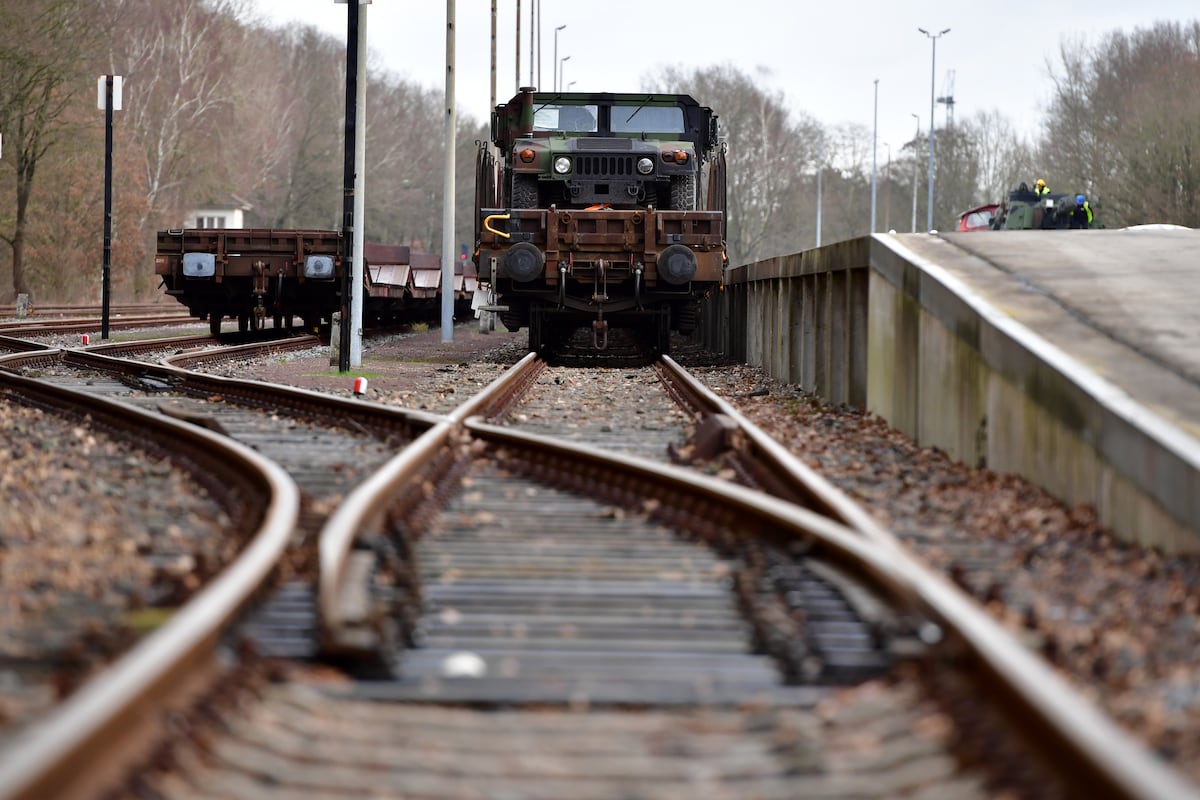
The Netherlands Ministry of Defence is reinforcing its military logistics to support NATO’s eastern flank by investing in an expanded fleet of railway wagons. The addition of 75 new wagons increases the fleet size by 20%, enabling faster movement of tanks and armored vehicles across Europe. This strategic development aims to reduce the Netherlands’ dependence on commercial transport services, thus shortening deployment reaction times in urgent situations, as highlighted by Col. Merlijn Heiligers, Commander of the Defence Movement and Transport Organisation (DVVO).
In response to rising tensions and heightened NATO exercises following Russia’s invasion of Ukraine, military rail transport is receiving renewed attention. European armies face a scarcity of military wagons amid rising demand, a situation stemming from a lack of investment in military rail capabilities after the Cold War. The Dutch government seeks to address this gap by enhancing its own military railway infrastructure.
Col. Heiligers noted the importance of self-sufficiency, stating, “Deployment in anger is not something that is planned… you need some kind of minimum own capacity to be able to start taking action.” Military rail transport capabilities are vital for swift action, and the Netherlands stands out in Europe for owning a fleet of specialized military wagons alongside France and Germany.
The new rolling stock, procured from manufacturer Greenbrier Europe, includes cutting-edge 60-ft container transporters, allowing the Dutch armed forces to efficiently transport containerized military supplies like ammunition and fuel. Containerization has become a standard practice in NATO logistics, driven by a broader trend in the commercial freight sector where container traffic has surged significantly over the past two decades.
DVVO currently operates 448 freight wagons, which include flatbed options for heavy armored vehicles such as Leopard 2 tanks and self-propelled howitzers. The reliance on commercial providers in this niche market, like Germany’s DB Cargo and Switzerland’s Transwaggon, has prompted the Dutch to enhance their logistics independence as they anticipate an insufficient supply in the future.
To counter challenges in securing sea lift capacities, DVVO signed leases for roll-on-roll-off vessels to ensure strategic transport options. This proactive approach aligns with NATO’s request for member countries to guarantee rapid deployment capabilities.
Importance is placed on rail transport for military logistics, as it proves more efficient and sustainable for moving large quantities of equipment over long distances. By utilizing rail, the Dutch military can transport substantial loads with fewer resources and reduced congestion on public roads.
Despite the logistics improvements, military rail transport remains a niche within the broader Dutch railway system, which sees a much higher frequency of commercial freight trains. Nonetheless, the Netherlands continues to maintain its status as a critical logistical hub for NATO operations, particularly in light of historical ties established during the Cold War.
With an eye on global geopolitical changes, military leaders emphasize the necessity of independence from the commercial market. Col. Heiligers remarked, “Things are getting tense and you want to be able to react and be less dependent on the market.” The overall goal is to ensure that the Netherlands can act decisively in support of NATO and allied forces while adapting to the evolving demands of military logistics.
The content above is a summary. For more details, see the source article.









