Key Takeaways
- The April full moon, known as the “Pink Moon,” refers to the blooming of phlox, not its color.
- This year’s Pink Moon also marks the Paschal Moon, influencing the dates of Passover and Easter.
- Easter will be celebrated on April 20, 2025, due to discrepancies between ecclesiastical and astronomical calculations.
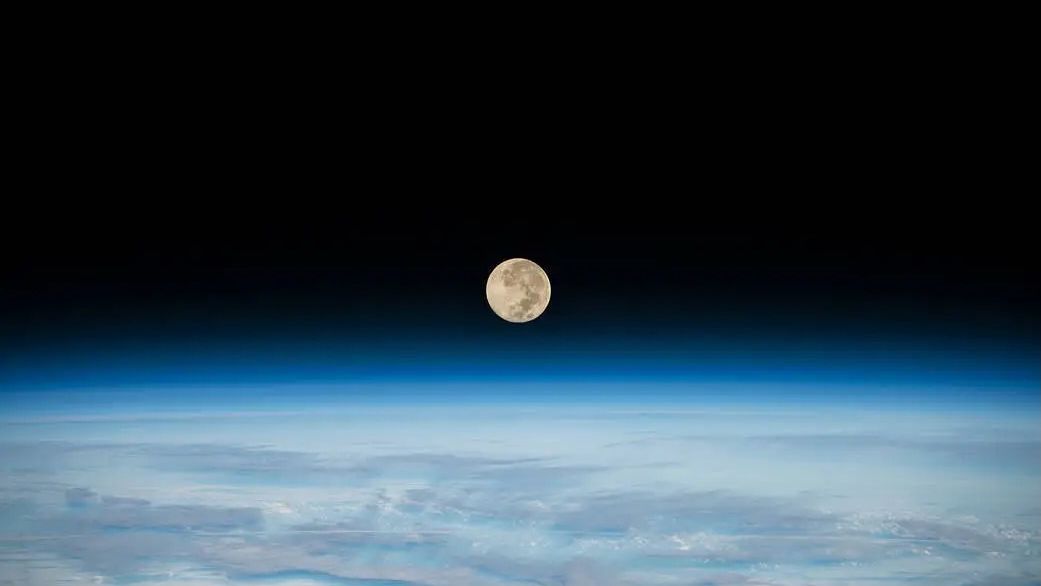
The April full moon, occurring on April 12 this year, is traditionally referred to as the “Pink Moon.” Named for the blooming of the phlox plant in spring, the name can be misleading, as the moon does not actually appear pink. The full moon serves as a marker of seasonal changes for many Native American tribes, who named each full moon according to natural phenomena.
This year’s moon holds additional significance as it is designated the Paschal Moon, playing a pivotal role in determining the dates for Passover and Easter. Passover begins on the 14th or 15th day of Nisan, directly following the first new moon after the vernal equinox. Easter, in turn, is celebrated on the first Sunday after the Paschal Moon.
Although the Paschal Moon occurs on the evening of April 12 EDT, Easter Sunday will be observed a week later, on April 20, 2025. This delay arises from a mix of ecclesiastical traditions and the difference in the timing of the Paschal Moon as observed in Europe versus North America. In Europe, the moon rises early in the morning of April 13.
The criteria for establishing Easter’s date follow ecclesiastical rules that fix the vernal equinox on March 21, despite its astronomical occurrence possibly being a day earlier. Furthermore, the criteria for the Paschal Moon rely on ecclesiastical tables rather than precise lunar computations, leading to discrepancies where Easter may not align with actual astronomical events. Notably, a 1997 analysis indicated that there have been numerous instances where Easter dates are dictated by ecclesiastical tradition rather than the actual timing of celestial events.
Joe Rao, a noted astronomy educator, highlights that while the earliest Easter can fall is March 22, recorded in 1818, the latest date is April 25. According to Rao, unique patterns arise in the Gregorian calendar regarding the distribution of Easter Sundays across its dates.
Interestingly, Easter dates can be isolated, occurring in one month, either March or April, while the other month has consecutive years of celebration. The potential for consecutive April Easters in future centuries has also been noted, though it has never occurred since the calendar’s inception.
As a result of these varying practices and calculations, discrepancies arise concerning Easter’s celebration, particularly in how the full moon is recognized in different regions. For 2025, residents in North America will experience the moon on the evening of April 12, while European regions will see it after midnight on April 13, thus leading to a shared observance of Easter a week later on April 20, 2025. This will mark the latest Easter since 2019, with the next occurrence not happening until 2030.
The content above is a summary. For more details, see the source article.