Key Takeaways
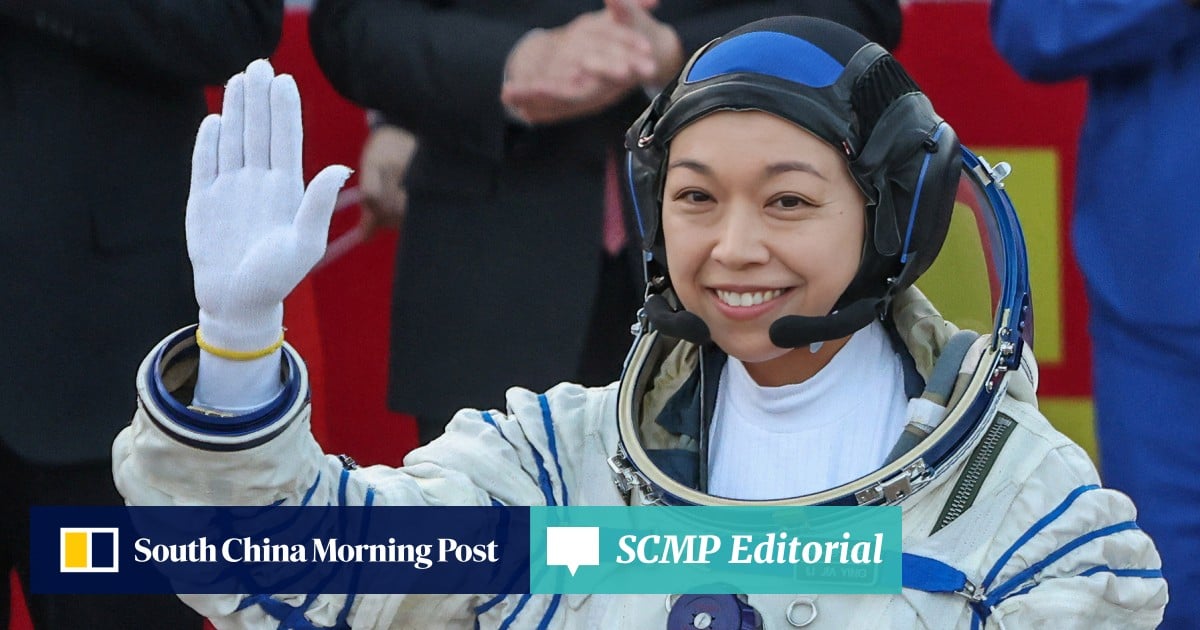
- Hong Kong’s first astronaut, Lai Ka-ying, highlights potential in space exploration beyond traditional finance.
- Calls for a comprehensive roadmap to develop a local space economy include increased funding and partnerships.
- Seven local universities are already contributing to aerospace research, marking a significant step towards a coordinated effort in the industry.
New Horizons for Hong Kong’s Space Ambitions
China’s Shenzhou-23 mission, featuring Hong Kong’s inaugural astronaut Lai Ka-ying, marks a pivotal moment in the region’s foray into space exploration. This opportunity signals that Hong Kong can leverage its technological potential alongside its established financial and service industries. To build on this momentum, sustainable efforts are crucial to establish a robust space economy.
To move beyond the symbolic achievement of its first astronaut, Hong Kong must focus on cultivating an ecosystem that nurtures start-ups and skilled talent. It is essential to shift mindsets among students toward considering careers in space-related fields. Advocates emphasize the need for concrete actions, encompassing the creation of a detailed roadmap for the space economy, recruitment of a specialized director to align research and projects, and increased funding for initiatives like internships and an aerospace technology hub.
While it may seem challenging for a city traditionally focused on finance, the evolving landscape of space missions encourages aiming higher. The involvement of seven local universities in the national aerospace program demonstrates commitment to this vision. For instance, researchers at Hong Kong University of Science and Technology developed the Tianyun camera, now operational on the Tiangong space station. This instrument effectively tracks emissions, supporting mainland carbon reduction efforts.
The recent national five-year plan calls for Hong Kong to invest in the “NewSpace” industry, signaling a pivotal shift in how space initiatives can be coordinated. A partnership between the government, educational institutions, and the private sector is vital to harness the potential of space technology. By fostering collaboration and promoting innovation, Hong Kong can pave the way for future astronauts inspired by Lai’s journey, ensuring that space exploration becomes an attainable goal for the next generation.
The content above is a summary. For more details, see the source article.