


Key Takeaways
- Taiwan is prioritizing domestic defense industry growth, focusing on uncrewed systems, surveillance, and new naval vessels.
- Plans include developing a “T-Dome” air-defense network, emphasizing indigenous capabilities alongside foreign procurement.
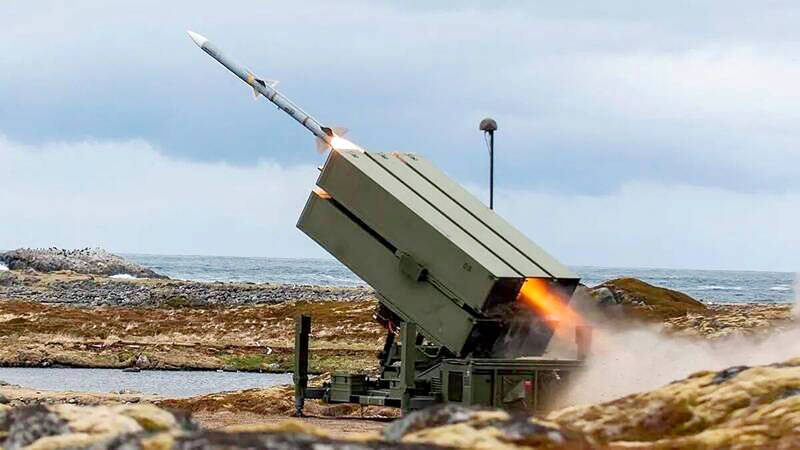
- The Ministry of National Defense is seeking to acquire nine NASAMS from the US for enhanced air defense, addressing regional threats.
Defense Industry Expansion
The Executive Yuan has presented a policy report to the legislature highlighting Taiwan’s commitment to enhancing its domestic defense capabilities. This includes a focus on shipbuilding, with new vessels already commissioned into the military. Research and development efforts will prioritize uncrewed systems, counter-reconnaissance, surveillance, and various innovative technologies over the coming year, with 130 projects planned.
Five classes of naval vessels, including six high-performance ships and a rescue vessel, are currently under construction. A prototype submarine is undergoing sea trials, while two new-generation frigates and six fast minelaying vessels are on schedule for completion. The Indigenous Defense Fighter Trainer initiative aims to produce 66 advanced jet trainers by year-end, with 52 already delivered.
To strengthen combat readiness, Taiwan is enhancing asymmetric capabilities and focusing on defense resilience, particularly against “gray zone” threats. As adaptations occur within the evolving regional landscape, domestic weapons production remains a priority, with eight categories of weapons systems being developed as planned.
The military is actively engaging in collaborations with the private sector to integrate uncrewed technologies into its operational framework. The Chungshan Institute of Science and Technology (CSIST) is spearheading the development of an industrial park for these technologies, aiming to create a non-red international supply chain through strategic investments from local governments.
Efforts are also underway to establish the “T-Dome,” a comprehensive air-defense network designed for layered defense. This integrates both indigenous technologies and foreign procurements to improve situational awareness and interception flexibility. The focus on counter-drone systems is evident, with domestic platforms being developed to supplement international acquisitions for enhanced front-line protection.
Additionally, the Ministry of National Defense plans to procure nine National Advanced Surface-to-Air Missile Systems (NASAMS) from the US to bolster air defense, particularly for key installations and the Penghu archipelago. The anticipated package, influenced by previous US arms sales, is expected to feature several radar systems and the AIM-120 air-to-air missiles.
While Taiwan aims to finalize the special defense budget of NT$1.25 trillion (US$39.66 billion) to fund these initiatives, approval is still pending. The ultimate volume of arms purchases will depend on US decisions and geopolitical developments in the region.
The content above is a summary. For more details, see the source article.









