


Key Takeaways
- American EV sales dropped 53.5% in January 2026 following the end of federal tax credits.
- Major automakers like Ford, Nissan, and Tesla have discontinued or delayed several EV models.
- The shift does not indicate a complete exit from the EV market, as new models are still in development.
Automakers React to Declining EV Sales
Since September 2025, U.S. electric vehicle (EV) sales have experienced a significant downturn, attributed to the cessation of the federal $7,500 tax credit for U.S.-assembled EVs. The sharp decline has prompted major automakers to rethink their EV offerings, leading to several product cancellations and delays.
Sales figures from January 2026 revealed a striking 53.5% drop in EV sales, excluding brands that sell directly to consumers, such as Tesla, Rivian, and Lucid. In response, prominent legacy car manufacturers like Ford, Nissan, and Acura have ceased production of several models, including the Ford F-150 Lightning, Nissan Ariya, Acura ZDX, and the Volkswagen ID. Buzz. However, these moves signal a recalibration rather than a full withdrawal from the EV landscape, as many of these companies are preparing to launch next-generation models that promise better affordability, longer ranges, and faster charging capabilities.
Business Insider has assembled a list of specific EVs that have been discontinued or postponed in 2026, reflecting ongoing changes in the market.
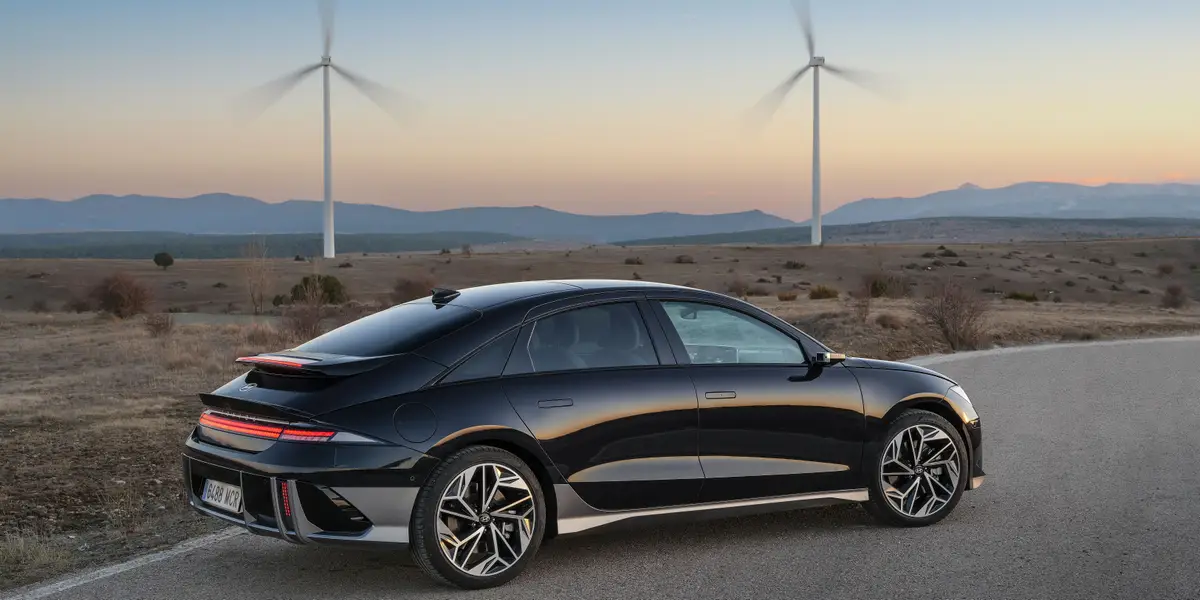
Among the latest announcements, Hyundai confirmed that the standard variant of the Ioniq 6 will no longer be offered in the U.S. The compact sedan has struggled to gain traction in the market, with sales plummeting to just 229 units last month. Market analysts note that overall sedan sales are declining, impacting Hyundai’s decision. The company will, however, import a limited number of more performance-oriented Ioniq 6 N models.
Additionally, Hyundai has placed the imports of the 2026 Kona Electric on hold, with expectations of a potential return in 2027. Once a leading mass-market EV, the Kona Electric’s hiatus reflects shifting market dynamics. Buyers can still find the 2025 model available until supplies last.
Tesla has also announced significant changes. CEO Elon Musk confirmed the discontinuation of the Model S, a flagship sedan that initially put Tesla on the EV map in 2012. While the Model S has played an essential role in establishing the brand, declining sales have led to its planned phase-out.
The Model X is expected to follow suit, with its production ending in the second quarter of 2026 due to decreased demand. Musk referred to the discontinuation as “slightly sad” but emphasized the company’s shift toward more innovative projects like autonomous vehicles and robots.
Kia has also joined the list of automakers reassessing their EV strategies, delaying the high-performance GT trims of the EV6 and EV9 models “until further notice” in response to changing market conditions. Despite this, other versions of these vehicles remain available for purchase in the U.S.
As the market landscape evolves, automakers are modifying their strategies to adapt, focusing on capable, high-performing EV models for future launches. While the current slump poses challenges, the industry’s pivot suggests a commitment to electric mobility remains strong in the long term.
The content above is a summary. For more details, see the source article.









