Key Takeaways
- Samba, the third of the Cluster satellites, successfully reentered Earth’s atmosphere on August 31, 2026, with a precise trajectory aimed over the South Pacific Ocean.
- The ROSIE airborne observation team gathered crucial data on the reentry process, aiding future satellite designs to minimize atmospheric pollution.
- The Cluster mission closes with the anticipated reentry of the final satellite, Tango, on September 1, 2026.
Samba’s Targeted Reentry Success
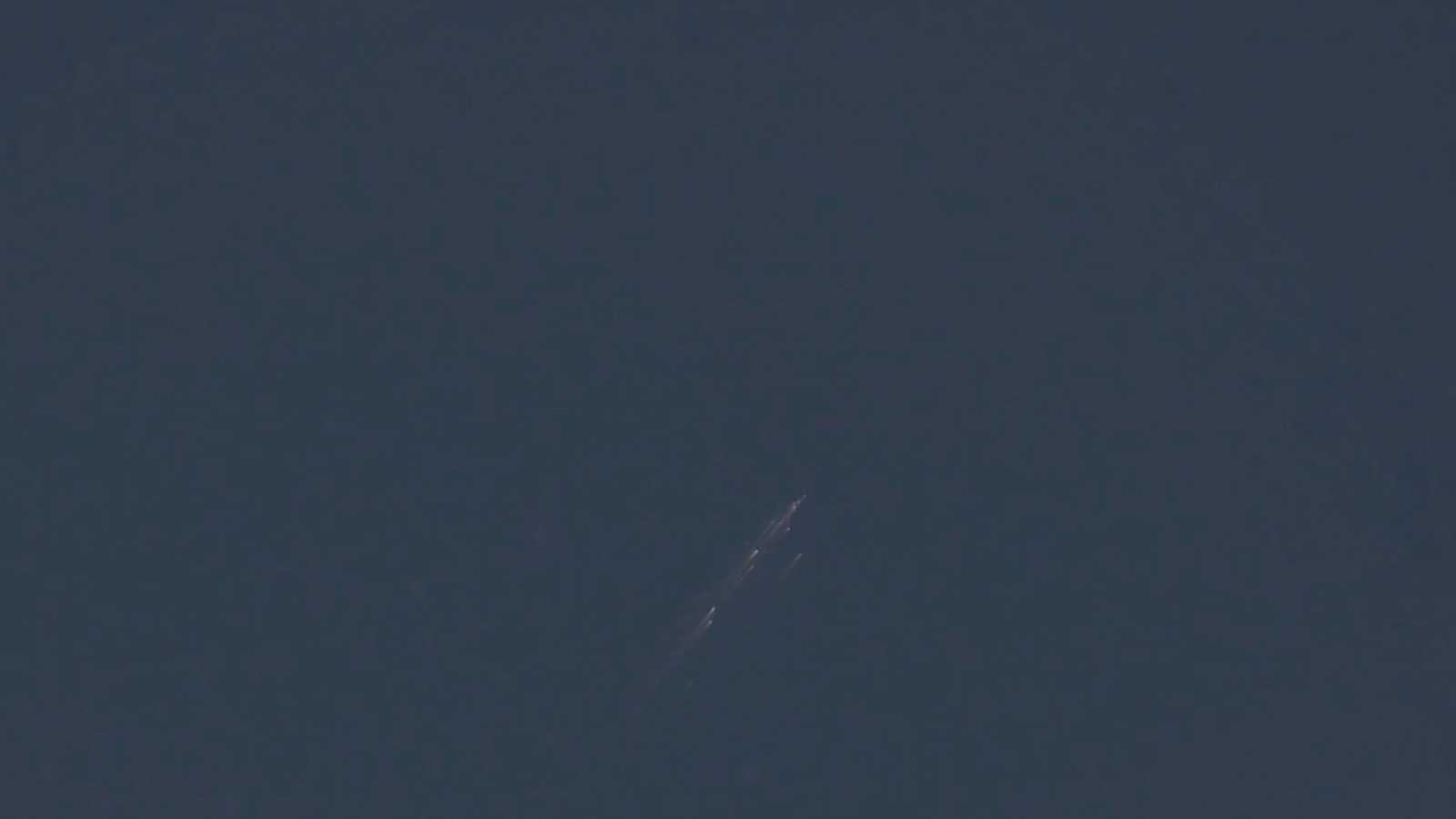
On August 31, 2026, at 21:39:38 UTC, Samba marked its successful reentry into Earth’s atmosphere, being the third satellite of the Cluster mission. The operation, known as a ‘targeted reentry,’ was meticulously planned to take place over the South Pacific Ocean. The trajectory adjustments began back in November 2024, with further refinements in January 2026, ensuring both safety and the opportunity for an observation flight from Tonga.
Using combined data from the spacecraft’s systems and ground-based telescopes, scientists accurately predicted Samba’s reentry timing and location to the second. This achievement reflects critical lessons learned from the earlier reentries of the Cluster satellites Salsa and Rumba.
Instrumental Observations
The airborne mission, conducted by the ROSIE team, utilized a specialized tracking camera to document Samba’s reentry. This footage provided contextual details about the satellite’s breakdown and position in the atmosphere. In addition to tracking cameras, 29 other instruments onboard aimed to analyze the materials present during the reentry, offering an unprecedented insight into the dynamics of satellite demise.
The data processing collected from the airborne mission is substantial and time-intensive. As the ROSIE team operates on a different timezone, they balance their time between data processing and preparations for the imminent reentry observation of Tango.
Importance of Reentry Data
Stijn Lemmens, acting Head of Space Debris at ESA, highlighted the significance of this reentry data. Enhanced understanding of how satellites burn up upon reentry will pave the way for engineers to design ‘design-for-demise’ satellites, effectively preventing atmospheric pollution.
The collected data serves as vital knowledge for future missions, stemming from thorough preparations and learning from past reentry campaigns like that of Salsa, contributing to a wealth of data for ongoing research.
Farewell to Samba
The atmosphere at ESA’s European Space Operations Centre (ESOC) was bittersweet as the Cluster mission reached its conclusion. Though officially completed in 2024, the ongoing analysis of data and final reentries have kept the team united in remembrance. The last commands were issued to Samba, and the team bid a heartfelt farewell to the satellite, marking the end of its operational journey. The final telemetry signals were received shortly after, and attention has now shifted to Tango, whose anticipated reentry is set for September 1, 2026, at 21:30:31 UTC.
Looking Ahead to Tango
Tango’s reentry will conclude the Cluster mission. Its predicted timing offers a small window of uncertainty, adding to the excitement as the mission transitions to this final event. Observers can stay updated through live blogging of the reentry process, capping off an era of significant contributions to space research and safety.
The content above is a summary. For more details, see the source article.