Key Takeaways
- The 4DSpace-Daedalus mission in Norway marks a significant achievement supported by the Prodex program of the European Space Agency (ESA).
- Prodex aids in the development of scientific instruments and experiments, enhancing cooperation and competitiveness among ESA member states.
- The Prodex program, celebrating its 40th anniversary this year, recently received a substantial funding increase to support ongoing space science missions.
Overview of the Prodex Program
The 4DSpace-Daedalus mission, launched from Norway, showcases the successful collaboration facilitated by the Prodex program of the European Space Agency (ESA). This initiative funds advanced research by European institutions, enabling their participation in various space science endeavors.
Prodex currently oversees over 400 contracts with industry and research institutes, contributing to scientific experimentation across multiple domains, including Earth observation and microgravity. The program’s recent Ministerial Council 2025 meeting witnessed a commitment from 17 ESA Member States, contributing €327.52 million—a 38% increase from 2022. This commitment exemplifies the program’s role in boosting scientific capabilities and fostering industrial cooperation within the space sector.
Recent Missions and Achievements
Prodex has played a key role in several notable scientific missions:
-
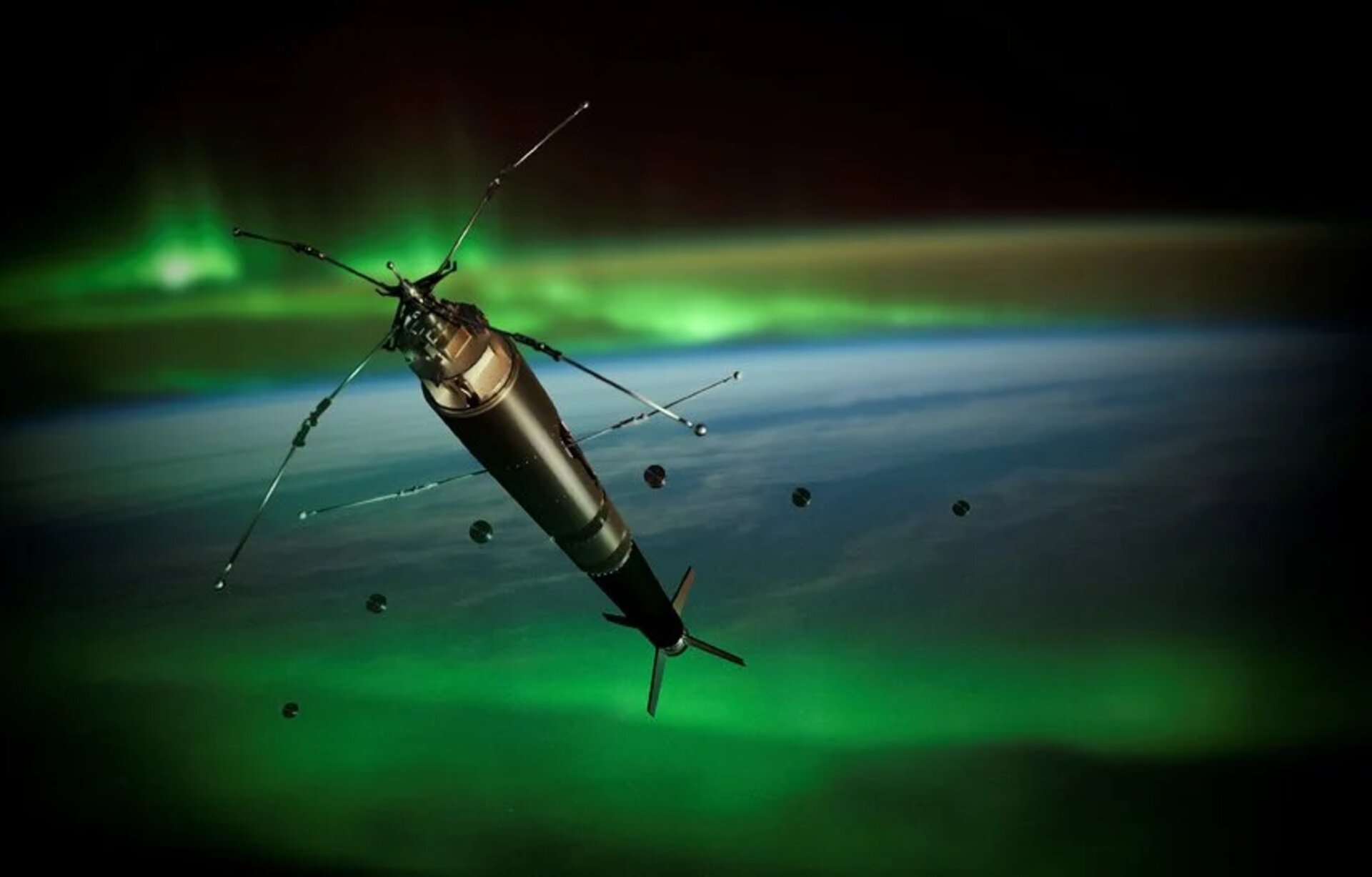
4DSpace-Daedalus Mission: Coordinated by Oslo University, this mission involves a 12-meter sounding rocket designed for space weather research. Launched on March 11 from Andøya Space Centre, the rocket collected data on turbulence in plasma and neutral regions of the upper atmosphere. The insights gained are expected to enhance understanding of energy transfer and interactions within the polar atmosphere.
-
Comet Interceptor Instruments: Poland and Estonia have developed instruments for ESA’s Comet Interceptor mission, namely the DFP-B2 and the Optical Periscopic Imager for Comets (OPIC). These instruments are in the final stages of development and soon will be transported to the prime contractor for integration into the Probe B2 spacecraft. Additional instruments from Switzerland and Belgium, such as the MANiaC and VenSpec-H, are also contributing to this mission, which aims to study comets.
-
Smile Mission: This mission launched on May 19, 2026, aims to enhance the understanding of space weather phenomena and solar storms through multiple instruments developed under the Prodex program.
Celebrating 40 Years of Prodex
The Prodex program, initiated in 1986, is marking its 40th anniversary this year. A three-day celebration event is scheduled to take place in Switzerland, welcoming delegates from participating countries including Austria, Belgium, Poland, and Norway, among others. This gathering, anticipated to draw around 200 participants, underscores the program’s long-standing contributions to space science and its commitment to fostering international cooperation in the field.
Through continued investment and collaboration, Prodex aims to sustain its legacy and enhance scientific exploration in space, promoting both innovation and shared knowledge among ESA member states.
The content above is a summary. For more details, see the source article.