Key Takeaways
- Smile launched from Europe’s Spaceport in French Guiana on May 19, 2026.
- The mission aims to explore the interaction between solar wind and Earth’s magnetosphere.
- Findings will enhance understanding of space weather and its impact on Earth’s magnetic environment.
Exciting Launch of the Smile Mission
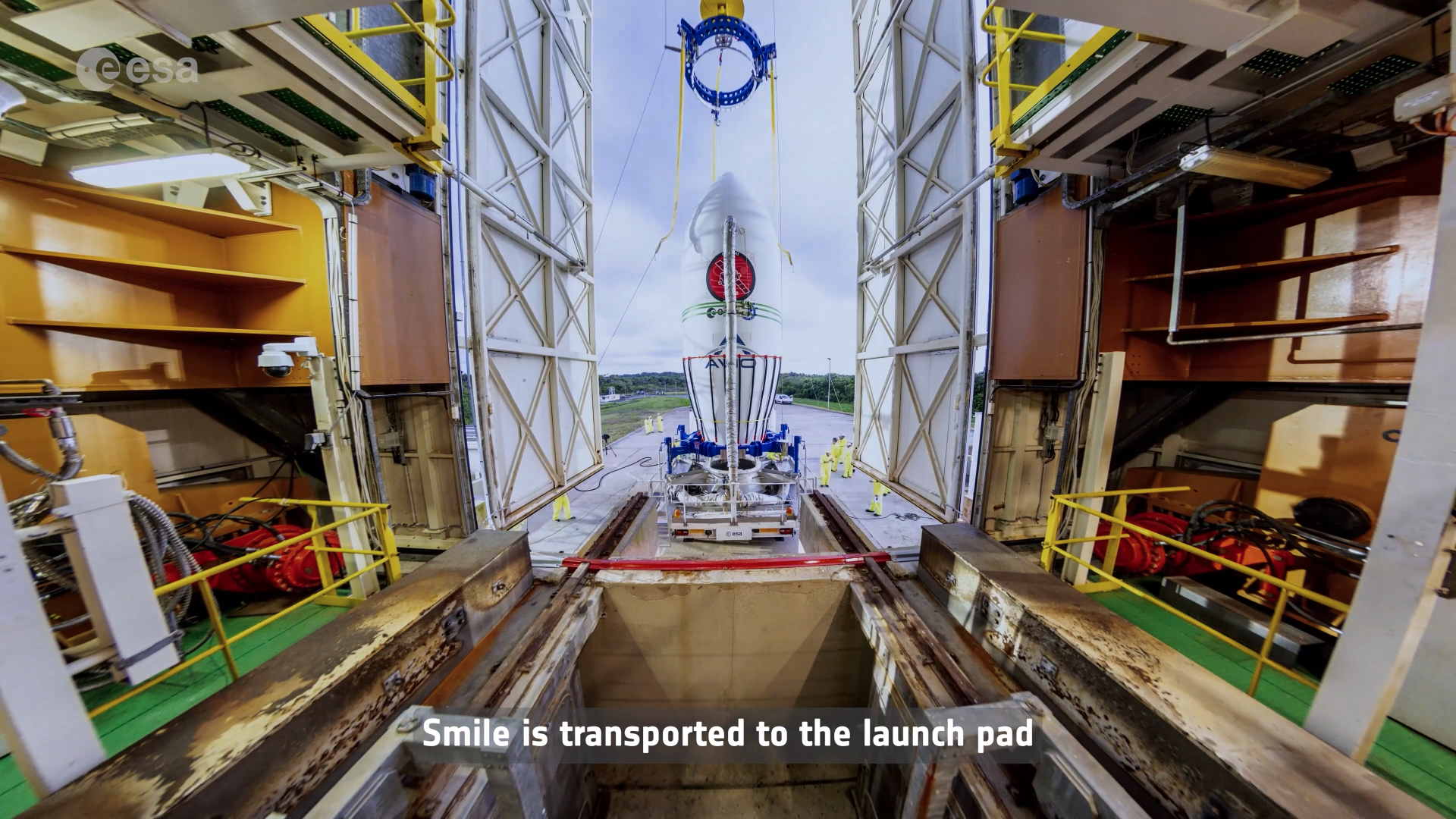
On May 19, 2026, Smile, the Solar wind Magnetosphere Ionosphere Link Explorer, successfully launched from Europe’s Spaceport in French Guiana. This international space science mission is poised to deepen the understanding of the solar wind and its interactions with Earth’s magnetosphere.
The primary objective of the Smile mission is to study how the solar wind — a continuous flow of charged particles released by the Sun — interacts with and influences the magnetosphere of Earth. By monitoring these interactions from space, Smile aims to provide critical insights into space weather phenomena, enhancing scientific knowledge of the magnetic environment surrounding our planet.
The spacecraft’s successful launch is a significant milestone, marked by precision and excitement during the operational preparations. As Smile embarks on its journey, it holds the potential to unlock answers to longstanding questions about solar activities and their impacts on Earth. Findings from this mission could be invaluable for predicting space weather events that can disrupt technology and impact daily life on Earth.
As Smile begins its observations, scientists anticipate a better understanding of how variations in solar wind can influence Earth’s magnetosphere, particularly during periods of heightened solar activity. By analyzing these complex interactions, the mission may also contribute to advancements in space science and increase readiness for events associated with solar storms.
Overall, the Smile mission represents a collaborative endeavor in scientific research, aiming to foster a comprehensive understanding of space weather and its implications for both technology and life on Earth.
The content above is a summary. For more details, see the source article.