


Key Takeaways
- Battery recycling for electric vehicles (EVs) is set to grow significantly, with projected revenues reaching $70 billion annually by 2040.
- Regulatory pressures are accelerating the recycling sector, with the EU targeting 70% recycled lithium in EV batteries by 2030.
- Colorado is leading the U.S. with legislation demanding automakers ensure proper recycling of EV batteries starting in 2028.
Growth of EV Battery Recycling
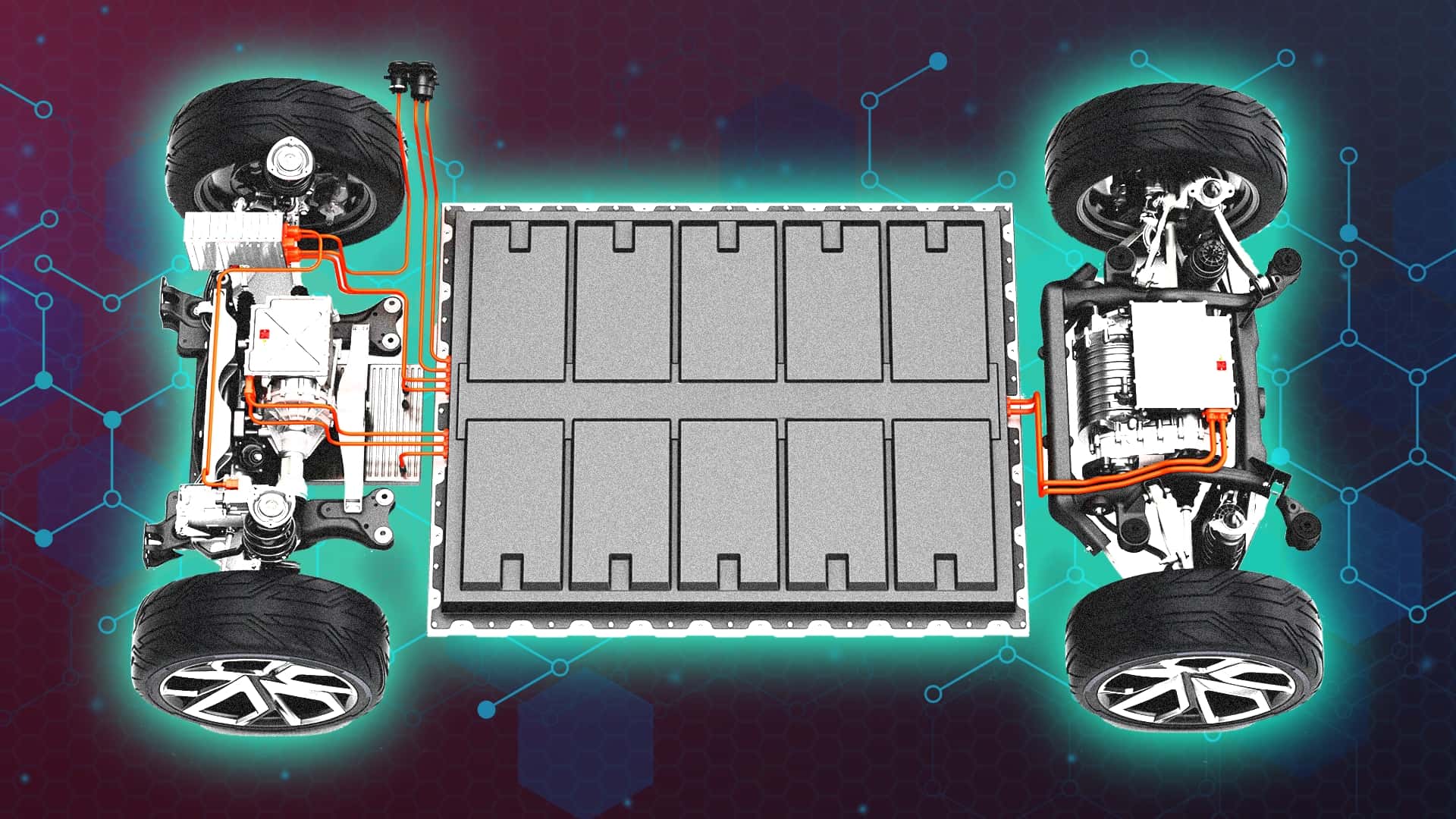
Battery recycling may not be an exciting aspect of automotive manufacturing, but it is increasingly vital for the electric vehicle industry. As high-mileage EVs reach the end of their lifecycle, the potential to repurpose their degraded batteries into new battery packs is becoming an attractive opportunity. This transition is bolstered by the growing number of older EVs approaching retirement, leading some to refer to the materials derived from recycling as the new “black gold.”
Currently, the battery recycling industry is in its infancy due to the relatively new market for electric vehicles. However, the landscape is poised for dramatic change. According to consultancy firm McKinsey & Co., global revenues in the battery recycling sector are anticipated to soar from approximately $2.5 billion last year to around $70 billion annually by 2040. This surge is driven by the expected influx of retired batteries post-2030, as many recently launched EVs become obsolete. Major automakers such as BMW, Volkswagen, and Renault are proactively forming recycling partnerships, while automation companies like R3 Robotics are implementing robotic technologies to streamline the disassembly process.
Regulation plays a significant role in the growth of the battery recycling market. A sustainable and economically viable recycling industry will require assistance in scaling operations until it can compete with the cost of mining and refining new materials. The European Union (EU) and China are leading the charge with heavy regulatory frameworks aimed at enforcing battery recycling. For instance, China’s legislation mandates the take-back of batteries, while EU Battery Regulation aims for a 70% recycling target for lithium used in EV batteries by 2030. Furthermore, the European Critical Raw Materials Act seeks to reduce reliance on imported battery materials, stipulating that at least 25% of such materials must be sourced and recycled within the EU.
In the United States, there is currently no overarching federal law regarding EV battery recycling; however, some states are taking measures to address this gap. Recently, Colorado introduced legislation that will require automakers to ensure their EV batteries are recycled properly, with the law set to take effect in 2028.
Factors driving the rise of battery recycling include securing supply chains, protecting profit margins, and promoting circular manufacturing. Industry experts suggest that a well-established battery recycling sector could mean the world may not need to mine new materials for battery production by 2050, as highlighted in a 2022 report by the environmental think tank RMI. This indicates a significant opportunity for innovation and sustainability in the electric vehicle sector.
The content above is a summary. For more details, see the source article.









