


Key Takeaways
- Gene editing can help preserve traditional foods and enhance crop diversity, according to Qu Dongyu, director-general of the FAO.
- Modern breeding technology supports food security and biodiversity while addressing climate change challenges.
- Two scientists, Geoffrey Hawtin and Cary Fowler, will receive the 2024 World Food Prize for their work on seed storage initiatives.
Gene Editing’s Role in Agriculture
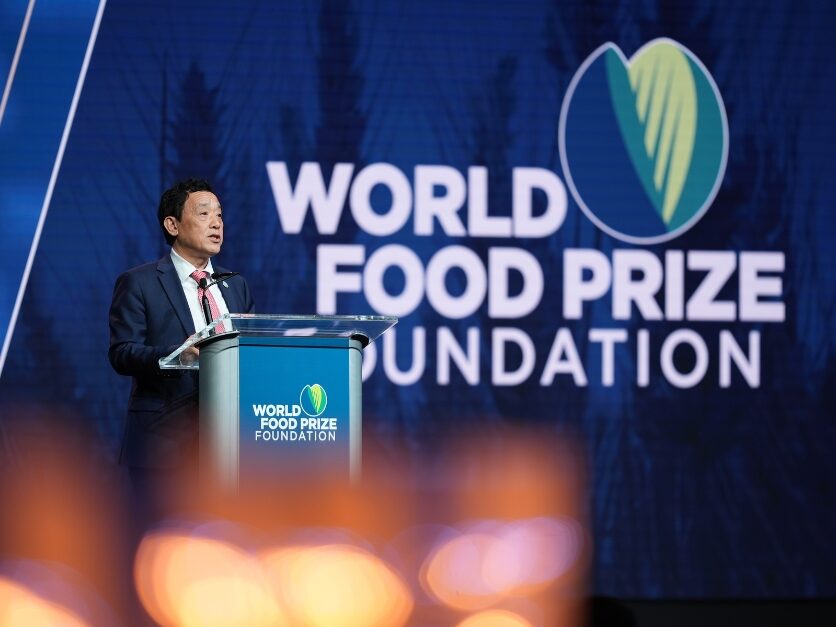
The genetic revolution in agriculture, particularly through gene editing, is poised to help preserve access to traditional foods, making them more resilient against environmental challenges. Qu Dongyu, director-general of the United Nations Food and Agriculture Organization (FAO), emphasized this potential at the beginning of the Norman E. Borlaug International Dialogue in Des Moines, Iowa. He highlighted that protecting genetic biodiversity is crucial for building robust agrifood systems.
According to Qu, the advancements in gene editing go beyond improving crop yields; they have the potential to foster connections between people and cultures. By maintaining and enhancing the unique characteristics of local and indigenous foods, gene editing can serve to protect the rich food heritage embedded in various communities. This innovation is instrumental in ensuring that traditional crops can withstand the pressures of a changing and often stressful global environment.
Utilizing modern breeding technologies can significantly contribute to the enhancement of crop, livestock, and fish diversity, thus promoting greater food diversity. Furthermore, it aids in addressing pressing global issues such as climate change and food security. Such technological advancements can provide vital support to farmers by ensuring that a wide variety of foods is available, adapting to the increasingly unpredictable climate.
During the event, it was also announced that two prominent scientists, Geoffrey Hawtin and Cary Fowler, are set to receive the 2024 World Food Prize. Their distinguished efforts in creating a secure storage vault holding over a million seed samples underscore the importance of conserving global food diversity. Hawtin serves as the founding director and an executive board member at the Global Crop Diversity Trust, while Fowler currently holds the role of the U.S. special envoy for global food security.
These initiatives and discussions reflect a broader recognition of the critical need to intertwine modern technology with traditional agricultural practices to ensure a sustainable and secure food future. The dialogue emphasizes not only the scientific advancements in agriculture but also the cultural significance and heritage of food systems worldwide. By integrating gene editing into agricultural practices, there is a promising outlook towards solving some of the most pressing challenges facing global food production today, ensuring that both food security and cultural identity are preserved for future generations.
The content above is a summary. For more details, see the source article.









