


Key Takeaways
- Ford may source lithium-ion batteries from Chinese manufacturer BYD to enhance its hybrid vehicle lineup.
- The automaker’s electric vehicle plans in the U.S. have faced challenges, leading to a shift towards hybrids.
- Ford has previously collaborated with BYD for models sold in China, indicating familiarity with the partnership.
Ford’s Potential Partnership with BYD
Ford is looking to bolster its hybrid vehicle offerings both in the U.S. and globally, following a decline in electric vehicle (EV) sales. Reports suggest that the company is in discussions with Chinese automotive and battery giant BYD to procure lithium-ion battery packs. Although Ford has not confirmed the deal, a spokesperson indicated that the automaker engages in dialogue with numerous companies regarding various matters.
BYD is not only the world’s largest automaker but also a prominent battery producer. They provide lithium-iron phosphate (LFP) batteries to major players, including Tesla and Mercedes-Benz, for their EVs sold primarily in Europe and China. Recent data from SNE Research shows that BYD’s battery deployments witnessed a remarkable 31.3% growth, totaling 133.4 gigawatt-hours last year.
While the specifics of Ford’s potential deal with BYD remain unclear, it is anticipated that the batteries could be imported for the company’s overseas manufacturing, particularly for models produced in regions with lower tariffs. For instance, Ford is preparing to release a plug-in hybrid version of the Bronco in Spain by 2027, though it is uncertain if BYD batteries will be utilized in that vehicle.
In the U.S., Ford faced setbacks when it halted production of the all-electric F-150 Lightning and reassessed its EV strategy. The company internally recorded $19 billion in charges as it scaled back its electric vehicle initiatives. The next-generation F-150 Lightning is expected to become an extended-range electric vehicle (EREV). Ford also reported strong sales of hybrids like the Maverick and F-150 in 2025.
Should the BYD partnership materialize, it would mark Ford’s second major collaboration with a Chinese company. Previously, Ford has already used BYD batteries for models sold in China under a joint venture with Changan. This experience may ease the transition into a broader partnership for hybrid technologies.
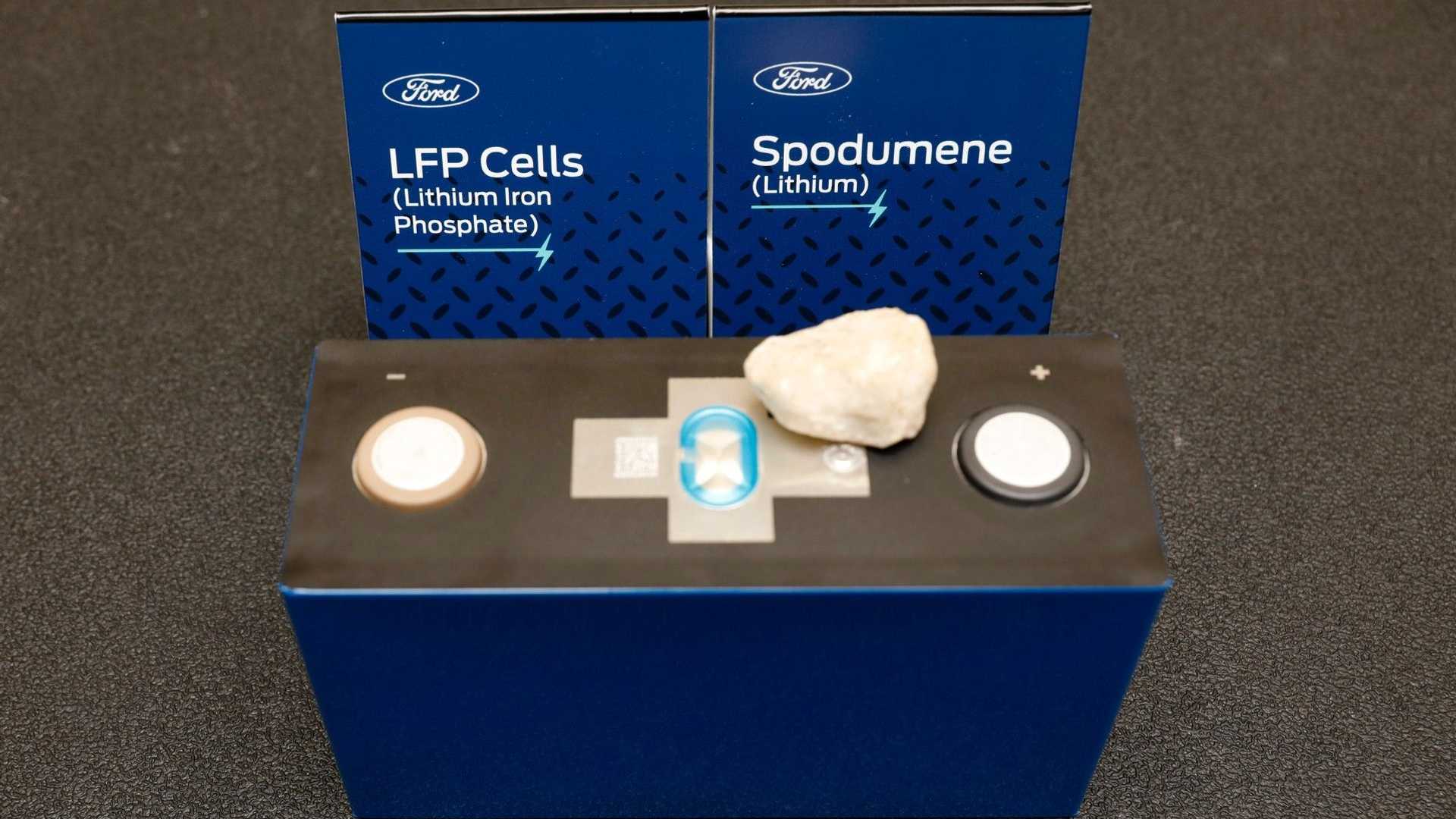
In a parallel move, Ford is also set to introduce low-cost LFP batteries at its BlueOval Battery Park in Michigan, developed with technology licensed from CATL. These batteries are expected to power an upcoming $30,000 electric truck, signaling Ford’s ongoing commitment to diversifying its energy storage technologies.
As Ford navigates the complexities of the evolving automobile market, partnerships with established battery manufacturers like BYD could play a key role in speeding up the development of efficient hybrid and electric vehicles.
The content above is a summary. For more details, see the source article.









