


Key Takeaways
- Ford has cancelled production of the F-150 Lightning electric pickup, citing a shift toward more profitable traditional pickups.
- The company plans to introduce a hybrid version, the F-150 Lightning EREV, which combines electric and gas engine technology.
- Ford is still investing in electric vehicle development through a new Universal EV Platform, set to launch its first midsize pickup by 2027.
Ford’s Shift in Electric Vehicle Strategy
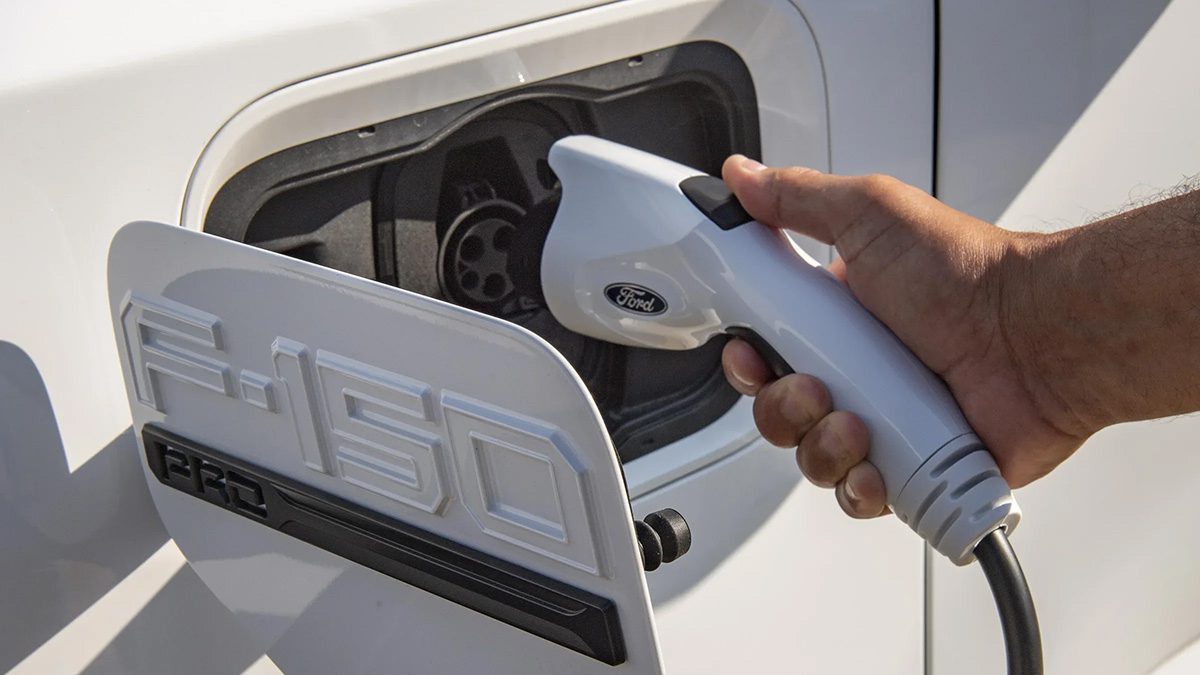
Ford has officially halted production of its F-150 Lightning electric pickup truck, framing this decision as a strategic pivot rather than a setback. The company emphasizes that this move will enhance profitability and shareholder confidence, but critics argue it reflects a retreat in the competitive electric vehicle (EV) market, particularly against rivals in China.
Ford has rebranded its Tennessee Electric Vehicle Center to the Tennessee Truck Plant, signaling a renewed focus on high-margin gasoline-powered pickups. The new strategy aligns with a trend among American automakers to concentrate on their most lucrative product lines, often at the expense of innovation in the EV space.
In a significant turn, Ford announced a new version of the F-150 Lightning, called the F-150 Lightning EREV, which will function as a series hybrid. Unlike traditional hybrids, this truck will be powered primarily by an electric motor, utilizing a gas engine solely as a generator. While the hybrid design aims to address concerns about range—especially when towing—it’s questionable whether consumers will embrace this compromise.
Ford plans to expand its range of hybrid options across its vehicle lineup, promising that almost all models will feature a hybrid or multi-energy system by the end of the decade. This reversion to hybrids echoes past experiences with models like the Fusion and C-Max, which were discontinued due to underwhelming sales. Industry consensus suggests that adapting internal combustion engine (ICE) designs to accommodate electric powertrains undermines the advantages of pure EVs.
Despite these setbacks, Ford claims it is not abandoning its electric aspirations. The company is advancing with the development of a Universal EV Platform designed to support a family of affordable electric vehicles tailored for wider consumer access. The inaugural model from this new platform, a midsize electric pickup truck, is scheduled for production in 2027.
The pace of EV innovation remains a significant challenge for established automakers, with many acknowledging the F-150 Lightning had already fallen behind competitors in technology. Ford’s future in the EV market now hinges on the success of its upcoming platform, compelling critics and supporters alike to watch closely.
As Ford seeks to balance its electric ambitions with its traditional truck-making legacy, it faces the challenge of retaining relevance in an industry that demands rapid adaptation to changing consumer preferences and technological advancements. Ford’s ability to effectively navigate this transition will be crucial in determining whether it can regain its footing in the increasingly competitive EV landscape.
The content above is a summary. For more details, see the source article.









