


Key Takeaways
- Beauty tech is transforming self-care, driven by greater consumer interest and innovations, particularly post-COVID-19.
- Devices like the Dyson Airwrap offer salon-like results at home, emphasizing efficacy and multifunctionality.
- Personalized beauty tech solutions are emerging, enabling consumers to tailor their skincare needs and preferences.
Emerging Trends in Beauty Tech
The beauty tech industry is undergoing significant transformation as consumer interest in advanced technological solutions grows. This trend has escalated since the COVID-19 pandemic, leading to an emphasis on self-care and heightened investments in products that support both mental and physical well-being. Beauty tech encompasses a range of digital tools and devices, from hair styling tools to AI-powered virtual try-ons, allowing consumers to achieve salon-quality results at home.
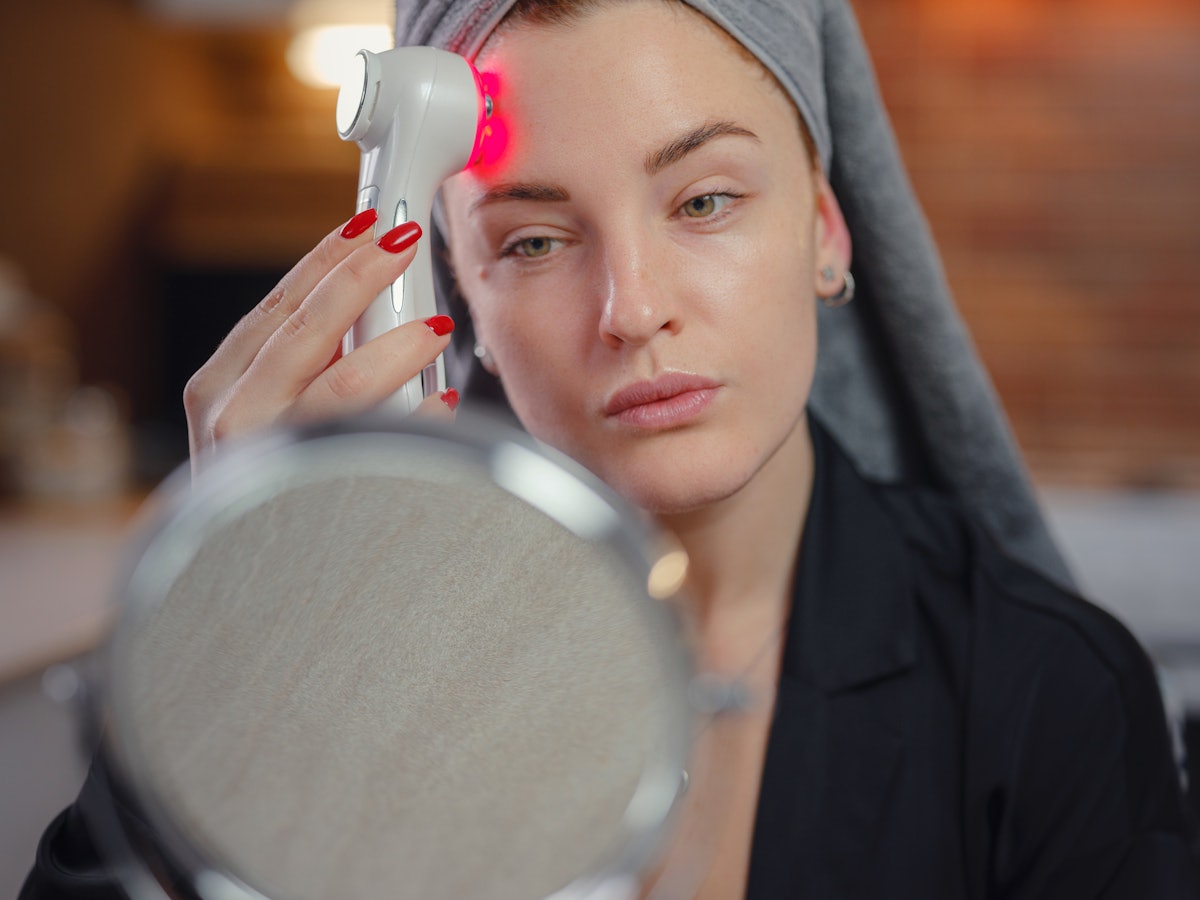
With the rise in popularity of niche devices, consumers are increasingly turning to innovative beauty tech solutions. Tools such as heated eyelash curlers and microdermabrasion devices are gaining traction alongside mainstream favorites. Additionally, light therapy devices, once exclusive to professionals, are now readily available for home use, driven by social media trends like “get ready with me” videos, which have heightened awareness of their benefits.
The migration towards home treatment options has led to a substantial increase in the reliance on devices like UV masks. These products enable consumers to maintain the results of professional treatments and extend the durations between costly salon visits. This shift highlights the growing association between salon treatments and similar at-home devices, thus encouraging wider adoption.
Desire for At-Home Salon Results
As consumers become more conscious about hair health, multifunctionality in beauty tech products has emerged as a significant purchasing factor. The pandemic has induced a shift among consumers who traditionally favored salon services to consider at-home alternatives, leading brands to innovate rapidly in this space.
An exemplary product illustrating this shift is the Dyson Airwrap. Launched in 2018, the device garnered attention for its engineering prowess that promised salon-quality results at home. Using Coanda technology, originally developed for household cleaners, the Airwrap differentiates itself through its design and efficacy. This product’s success has propelled competing brands such as Shark and BaByliss to enter the market with similar offerings aimed at budget-conscious consumers.
The Future of Personalization in Beauty Tech
Looking forward, the beauty tech landscape is expected to become increasingly personalized. As consumer knowledge of skincare and hair care deepens, the appetite for sophisticated beauty tech solutions will rise. Advanced diagnostic tools and personalized skincare devices will soon become mainstream. A notable example is Lesielle’s S Device, which allows users to create tailored skincare products based on responses to an AI-enabled questionnaire.
Such advancements are set to empower consumers, enabling them to customize their beauty routines effectively. The trend towards personalization is supported by data indicating that global spending on beauty and personal care has increased by 29% between 2020 and 2023. This shows a strong consumer inclination to invest in solutions that provide both indulgence and efficacy. As new products continue to shape the beauty technology market, the demand for effective and personalized beauty solutions is expected to flourish.
The content above is a summary. For more details, see the source article.









