


Key Takeaways
- GE Vernova will repower 1.1 GW of onshore wind turbines in the US, with projects expected to be operational by 2026-2027.
- Repowering involves installing new equipment on existing turbine foundations, enhancing efficiency and reducing costs.
- GE Vernova’s onshore wind operations globally account for around 120 GW across roughly 59,000 installed turbines.
Repowering Wind Turbines for Enhanced Efficiency
GE Vernova has recently secured contracts to repower 1.1 gigawatts (GW) of onshore wind turbines in the United States. All orders were placed in 2025, and the projects are anticipated to begin commercial operation between 2026 and 2027.
The process of repowering involves upgrading older wind turbines with advanced components, allowing them to operate for longer periods without the need for completely new installations. This strategy not only preserves existing foundations and grid connections but also helps mitigate costs associated with new wind farm developments.
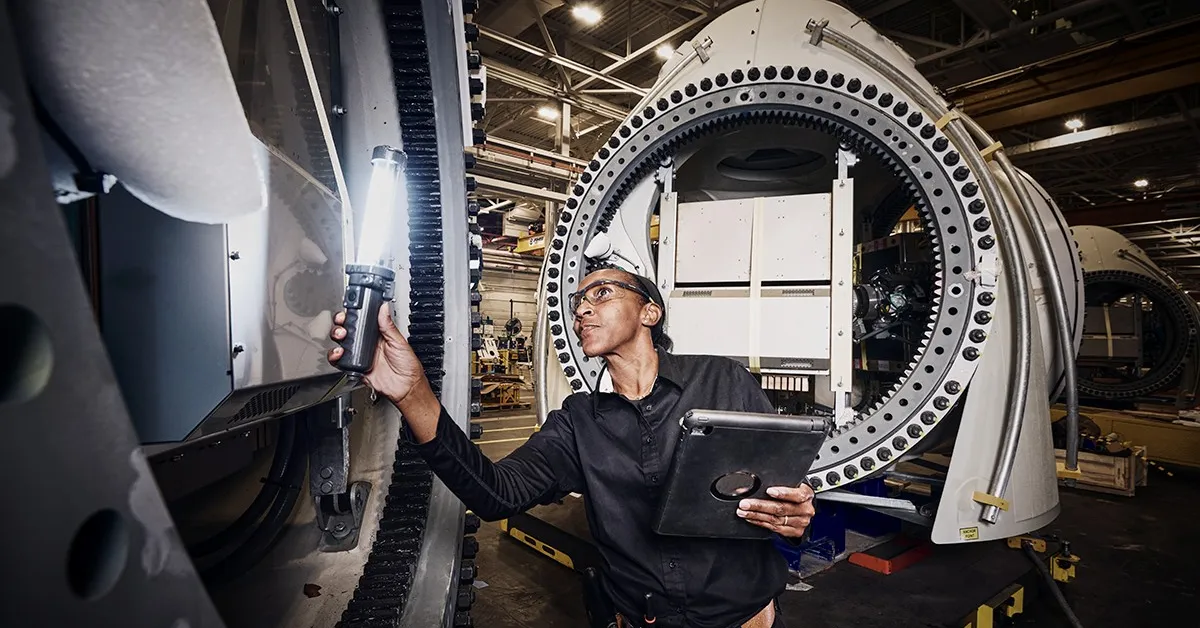
By implementing newer technology, wind farm operators can significantly boost annual electricity production while minimizing breakdowns and reducing maintenance expenses. GE Vernova will provide nacelles and drive trains for these projects, manufactured at its facility in Pensacola, Florida, where approximately 20% of the workforce are veterans.
On a global scale, GE Vernova’s onshore wind business has installed around 59,000 turbines, contributing nearly 120 GW of wind capacity. Many wind farms in the US, which were established in the early 2000s, still boast solid foundations and established grid connections. However, the turbines themselves often lag in efficiency compared to modern versions.
Repowering serves as a viable solution, allowing operators to maximize energy output from the same wind sources while extending the lifespan of the facilities. This approach is typically more cost-effective and quicker than constructing new wind farms, circumventing numerous permitting and transmission challenges faced by new projects.
As the industry evolves, it is expected that repowering will play an increasingly significant role in the growth of the wind energy sector over the next decade. In light of current trends towards renewable energy, these initiatives not only enhance efficiency but also align with broader goals of sustainability and reduced environmental impact.
The content above is a summary. For more details, see the source article.









