


Key Takeaways
- Governor Josh Shapiro launched an AI literacy toolkit and an AI Enforcement Task Force to protect students from potential AI-related dangers.
- Roundtable discussions emphasized the mental health impacts of AI on students and the need for responsible use of technology.
- Legislation is proposed to regulate AI interactions with minors, addressing risks such as cyberbullying and unsafe content.
Governor’s Initiative on AI Safety
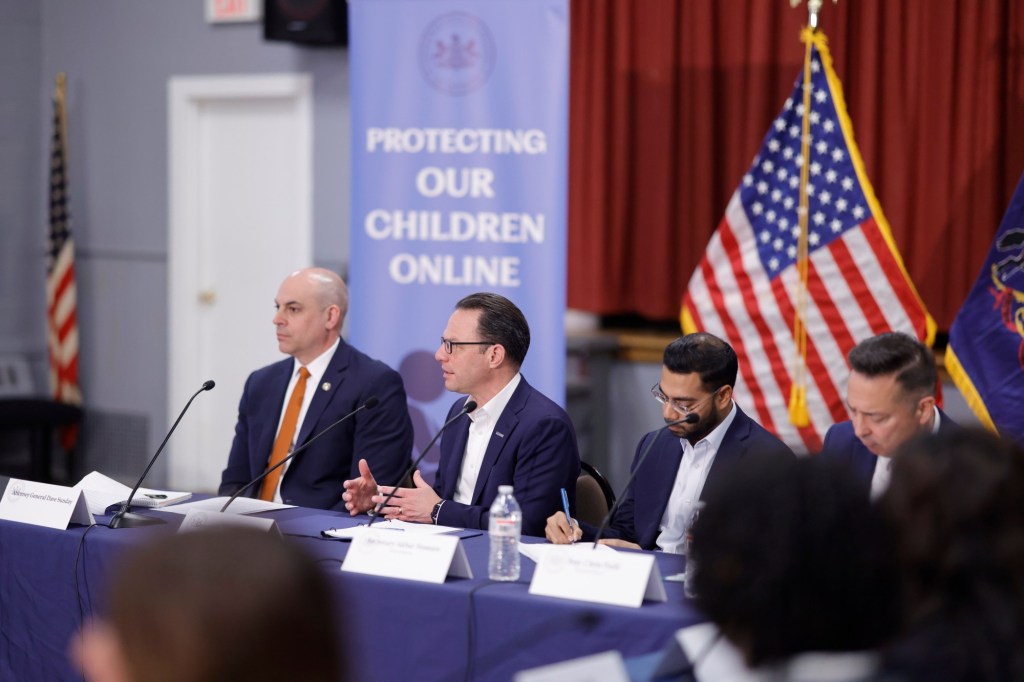
Gov. Josh Shapiro recently engaged students, parents, and experts in a roundtable discussion at the West Chester Community Center to address the implications of artificial intelligence (AI). As AI technology becomes increasingly integrated into daily life, Shapiro stressed the importance of accountability and safety for Pennsylvanians, particularly for students.
The governor unveiled an AI literacy toolkit, which has already attracted participation from 2,000 residents within weeks. Alongside Attorney General Dave Sunday, Shapiro introduced the establishment of an AI Enforcement Task Force, aimed at tackling the unregulated nature of AI technologies. He identified AI as “unregulated” and “dangerous,” highlighting that students often unknowingly interact with AI-generated content.
In addressing mental health concerns, Shapiro noted the state’s investment of $300 million for mental health programs across over 800 schools. He called for a multifaceted approach involving legislative, regulatory, educational, and prosecutorial strategies to mitigate risks associated with AI.
Participants voiced various concerns related to student health and technology use. West Chester East High School student Hannah Dean spoke candidly about the loneliness brought on by social media and AI interactions. A fellow student raised issues about online images and called for legal consequences for those posting harmful content. Parents echoed the sentiment that education about technology must begin at home.
A significant point of discussion was the role of smartphones in schools. Shapiro mentioned possible legislation mandating students store their phones away during school hours to reduce distractions. However, students expressed mixed views on the matter, acknowledging the need for phones for safety but recognizing the benefits of reduced screen time for learning.
State Representative Chris Pielli emphasized the monumental change AI represents, likening it to the impact of the Gutenberg Bible. He proposed regulations, including age verification for AI usage by minors and restrictions against solicitations for explicit content.
Concerns over sleep deprivation due to late-night phone use were also raised, suggesting this impacts students’ mental health. Parent Audrey Greenberg shared a personal account highlighting the absence of a centralized reporting system for incidents involving AI-related harassment.
As discussions continued, it became clear that addressing AI’s impacts on students requires collaboration between parents, educators, and policymakers. The governor is seeking feedback on solutions and stresses the importance of open dialogues among students, parents, and teachers. For more information and access to the AI toolkit, visit pa.gov/aisafety.
The content above is a summary. For more details, see the source article.









