


Key Takeaways
- The Indian government aims to achieve 500 GW of renewable energy production by 2030, providing 50% of the energy needs from renewable sources.
- Rajasthan has set a target of establishing 125 GW of renewable energy projects by 2030, with significant investments and job opportunities expected.
- Initiatives like PM Suryaghar Yojana and PM Kusum Yojana are designed to enhance energy self-reliance and reduce energy costs for families and farmers.
Government’s Renewable Energy Commitment
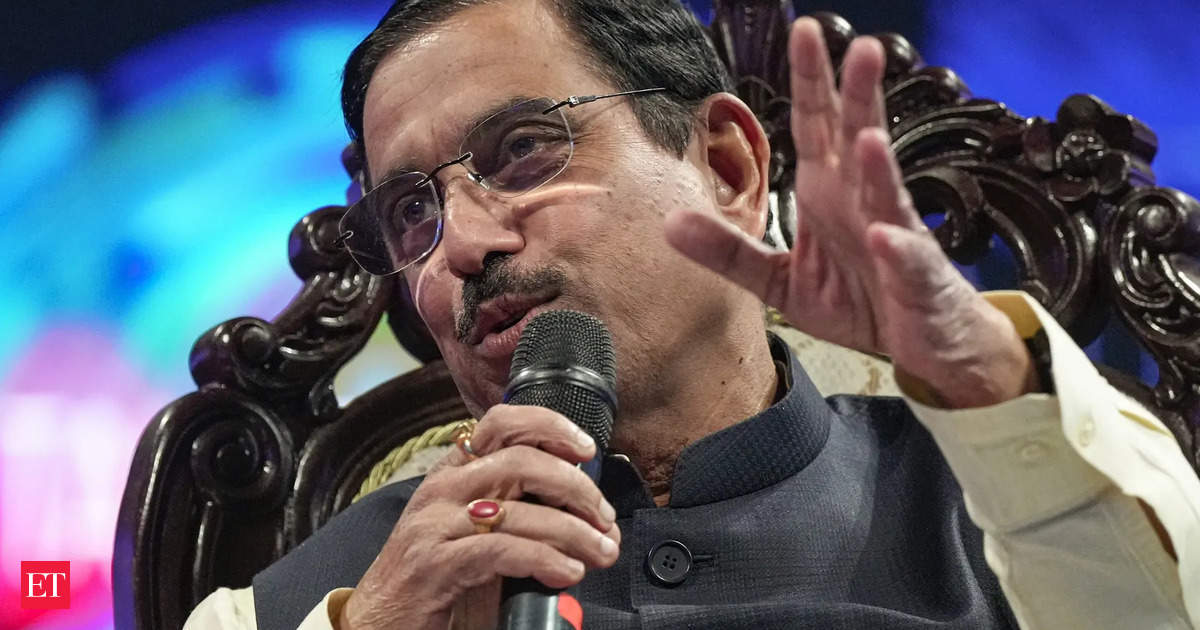
The Indian government is committed to increasing the production of renewable energy to 500 GW by 2030, which is expected to cover 50% of the country’s energy requirements. Union Minister Pralhad Joshi made this announcement during a regional review meeting on renewable energy. The minister highlighted that the nation’s energy demand is projected to double by 2032, emphasizing the rapid progress India has made as it transitions from being the 11th largest economy to potentially the third largest.
Joshi stressed the importance of energy self-reliance for economic progress and noted that global trends, especially following the United Nations Climate Change Conference (COP 2026), are pushing countries to consider a green tax on fossil fuel usage. This development underscores the need for India to promote renewable energy to remain competitive while addressing global warming challenges.
Rajasthan’s Renewable Energy Initiatives
During the review meeting, Rajasthan Chief Minister Bhajanlal Sharma articulated plans to enhance energy security and sustainable development in the state. The state government has rolled out the Rajasthan Clean Energy Policy 2024, which aims to establish 125 GW of renewable energy projects by 2030. Significant investments totaling around Rs 35 lakh crore were reported during the Rising Rajasthan Global Investment Summit, with over Rs 28 lakh crore specifically allocated to the energy sector.
Sharma noted that these projects will create substantial employment opportunities in solar and wind energy production. The state is leading in solar initiatives like Kusum Yojana and is also advancing efforts to supply solar energy for agricultural electricity needs. Under the Pradhan Mantri Suryaghar free electricity scheme, the installation of rooftop solar panels in 5 lakh households is underway, with 25,000 installations completed so far.
He further highlighted that Rajasthan is equipping government buildings with solar energy solutions, having already issued 489 MW Letters of Award via a hybrid annuity model. The approval for a new 2000 MW solar park is expected to accelerate the growth of solar projects in the region.
National Energy Programs and Impacts
Union Minister of State for New and Renewable Energy, Shripad Yasso Naik, discussed the economic implications of the PM Suryaghar Yojana, which aims to significantly reduce electricity bills for one crore families, enhancing their energy independence. Similarly, the PM Kusum Yojana has been beneficial in securing energy for farmers, reducing their reliance on power distribution companies.
Other ministers present at the meeting echoed these sentiments, emphasizing the collaborative effort needed across states to realize the envisioned energy transition. With ambitious targets in place and increasing investments, India is well-positioned to make significant strides in renewable energy in the coming years.
The content above is a summary. For more details, see the source article.









