


Key Takeaways
- Kenya faces severe drought leading to food insecurity for over two million citizens.
- GrowPact Kenya promotes greenhouse farming and provides affordable hybrid seedlings to enhance crop yields.
- The company aims to expand to 100,000 farmers and produce over 100 million seedlings by 2030, with plans to replicate its success in other African countries.
Drought and Food Insecurity in Kenya
Kenya is once again grappling with a severe drought, exacerbated by below-average rainfall. The 2025 short rains, occurring from October to December, provided only 30-60% of the anticipated amounts, contributing to significant food insecurity that now affects over two million Kenyans and leads to widespread livestock deaths. Joshua Mugendi, co-founder and director of GrowPact Kenya, emphasizes that reliance on rainfed agriculture is unsustainable and that adaptation is crucial due to climate change.
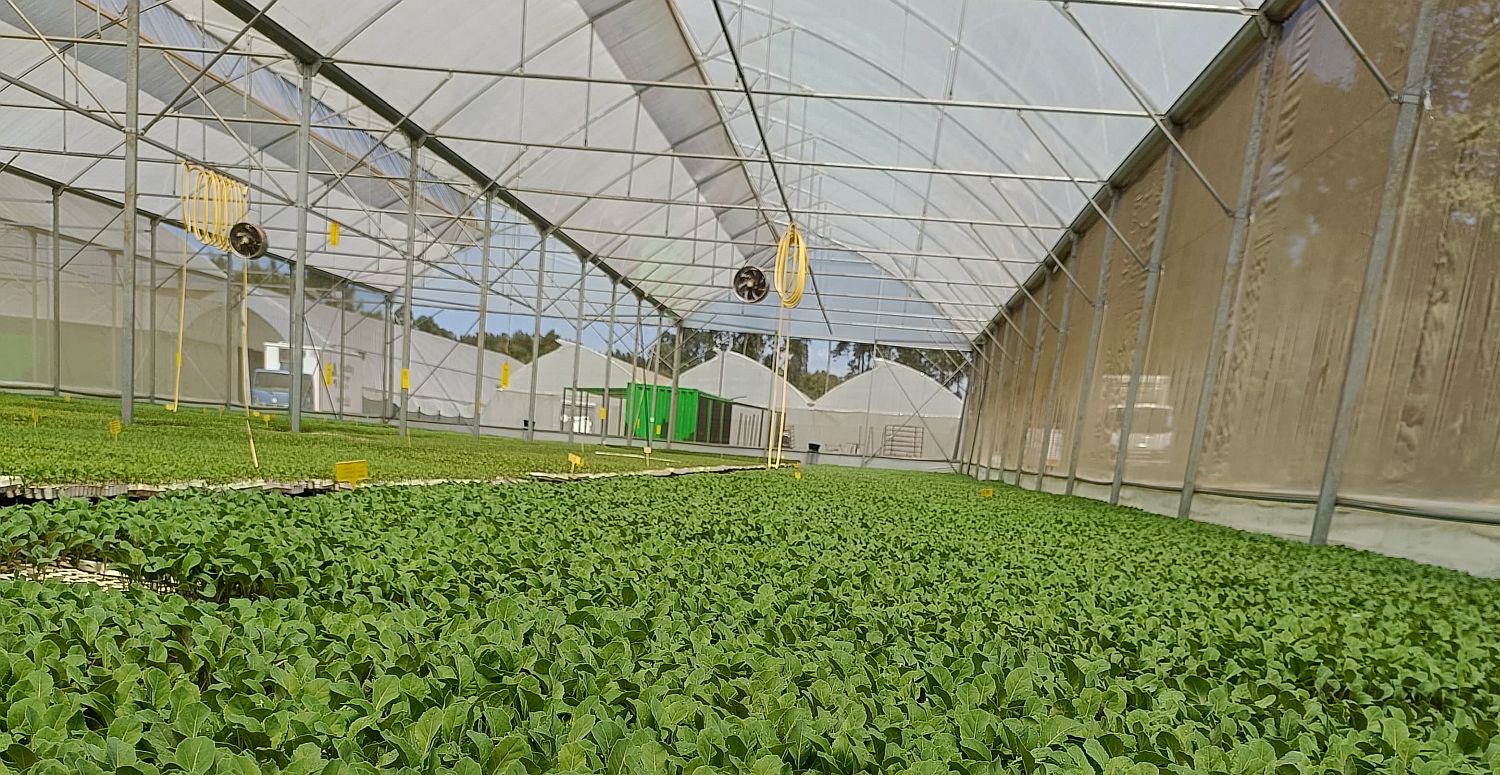
GrowPact, based in Kitale, referred to as East Africa’s food basket, is pioneering a shift in agricultural practices, encouraging farmers to adopt greenhouse farming, hybrid seeds, and technological innovations. A long-standing issue faced by Kenyan farmers has been access to affordable, quality seeds, primarily produced by multinationals. GrowPact aims to bridge this gap by purchasing hybrid seeds and propagating seedlings that are sold to farmers at accessible prices.
The organization produces around 800,000 seedlings weekly and has developed a network of over 20,000 farmers, turning horticulture into a profitable venture. Many involved engage in greenhouse farming, significantly improving their crop returns and contributing to overall food security.
Background and Initiatives of GrowPact
Founded in 2016 by Joshua Mugendi and Mercy Mugendi, GrowPact emerged from a desire to tackle food insecurity in Kenya. With a background in microbiology and biotechnology, Mugendi conducted research on orphan crops like cassava and sweet potatoes, which are essential to local agriculture but often overlooked. His experiences at the International Institute of Tropical Agriculture revealed inefficiencies in Kenya’s seed system that compelled smallholder farmers to depend on low-yield, open-pollinated varieties.
Identifying an opportunity to elevate farmers’ livelihoods, GrowPact offers high-yield seedlings that are disease-resistant and capable of providing substantial returns. Collaborations with Viscon Group, a Dutch agricultural engineering firm, and Truvalu, an impact investor, have bolstered GrowPact’s operations.
While seedlings remain the company’s primary focus, GrowPact has expanded its services to include fertilizers, chemicals, and drip lines. It has also established a tissue culture lab to conduct research on crops such as bananas, potatoes, and sweet potatoes, along with a breeding division for hybrid seeds.
Furthermore, GrowPact’s demo farms and training programs equip farmers with the knowledge to adopt sustainable agricultural methods. Mugendi articulates their mission as one of transformation and empowerment, highlighting a five-year strategy, “GrowPact 2030”.
Future Aspirations and Expansion Plans
GrowPact targets an ambitious goal of reaching 100,000 farmers and producing over 100 million seedlings by 2030, alongside expanding operations to more regions in Kenya. The organization also aims to strengthen market linkages with processors and manufacturers to ensure that farmers have reliable markets for their produce. A pack house in Kitale is set to become an aggregator once accredited.
To support this growth, GrowPact seeks $3 million in new funding, indicating a focus on both organic growth and operational efficiency. A recent restructuring led to the exit of Truvalu, which sold its stake to a Dutch family office, aligning with GrowPact’s strategy to attract investors suited for its trajectory. Although Truvalu exited from GrowPact Kenya, it remains a partner in the new entity, GrowPact Global, which plans to replicate the successful Kenyan model in other African nations, starting with Ghana.
The content above is a summary. For more details, see the source article.









