


Key Takeaways
- A study indicates a 200-MW data center could reduce its peak load by 10% with a $50 million investment in residential energy efficiency upgrades.
- Optimal upgrades include insulation, air sealing, and smart thermostat installations, potentially saving consumers $3 million annually and creating over 200 jobs.
- Discussions continue among tech companies about investing in community-friendly energy solutions to mitigate environmental concerns related to data centers.
Efficiency Upgrades for Data Centers
A recent analysis by AnnDyl highlights the potential for a 200-MW data center to offset 10% of its peak load by investing $50 million in residential energy efficiency upgrades. This model focuses on Ohio, known for its expanding data center market within the capacity-stressed PJM Interconnection grid area. The findings build on a September 2025 report from Rewiring America, which suggested that large tech firms could significantly alleviate their load demands through broader residential electrification strategies.
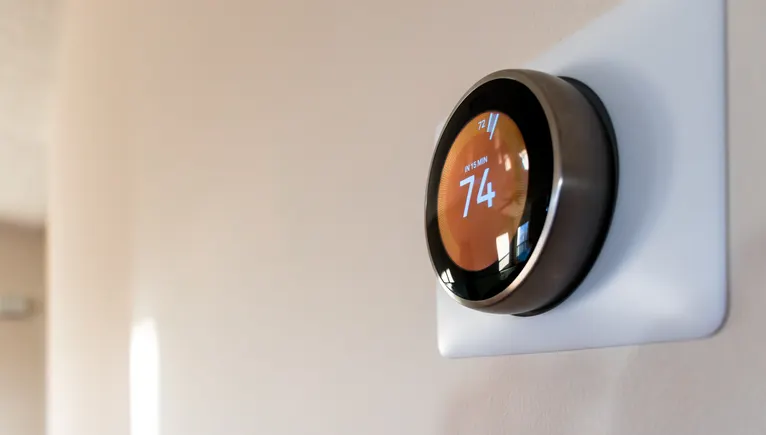
AnnDyl considered various investment options, such as smart thermostats enrolled in demand response programs, cold climate heat pumps for heating, heat pump water heaters, and various weatherization measures. The most effective combination identified was a package that included insulation, air sealing, and smart thermostat upgrades for homes close to the data center. This approach not only reduces the data center’s peak load by approximately 10% but also yields about $3 million in annual savings for local customers and generates more than 200 jobs.
The analysis explored other scenarios as well, including using only smart thermostats or cold climate heat pumps. However, these alternatives fell short of efficacy. For instance, deploying cold climate heat pumps without accompanying insulation could actually harm grid stability. When combined, though, these technologies could provide significant cost and environmental advantages.
While the $50 million investment is projected to offset some of the load, it would not cover the entire capacity of a 200-MW data center. The Rewiring America report reveals that tech companies could potentially offset a third of their expected capacity needs over the next five years by subsidizing the installation of heat pumps and supplementary technologies like battery storage and rooftop solar in households equipped with outdated electric systems. Such efforts could lead to the installation of millions of systems across the United States, creating an estimated 5.5 million jobs by 2030.
Wael Kanj, a research manager at Rewiring America, mentioned that discussions are ongoing with several hyperscalers, who are increasingly interested in solutions that not only meet their energy demands but also benefit the communities in which they operate. Even though these talks remain exploratory, there is a clear interest among tech companies in fostering community trust through strategic investments.
Data center developers and their technology partners have been facing mounting resistance from local communities concerned about the environmental impacts and utility costs associated with these facilities. As discussions evolve, there is a significant opportunity for data centers to align their energy strategies with community interests, potentially easing some of the pushback they encounter.
The content above is a summary. For more details, see the source article.









