


Key Takeaways
- IKEA’s new smart sensors require a Thread Border Router for full functionality, notably the DIRIGERA hub.
- Although initially advertised as easy to set up, connecting these sensors to existing smart home systems can be complex.
- The affordability of the sensors diminishes when the cost of the necessary hub is factored in.
Challenges with IKEA’s Smart Sensors
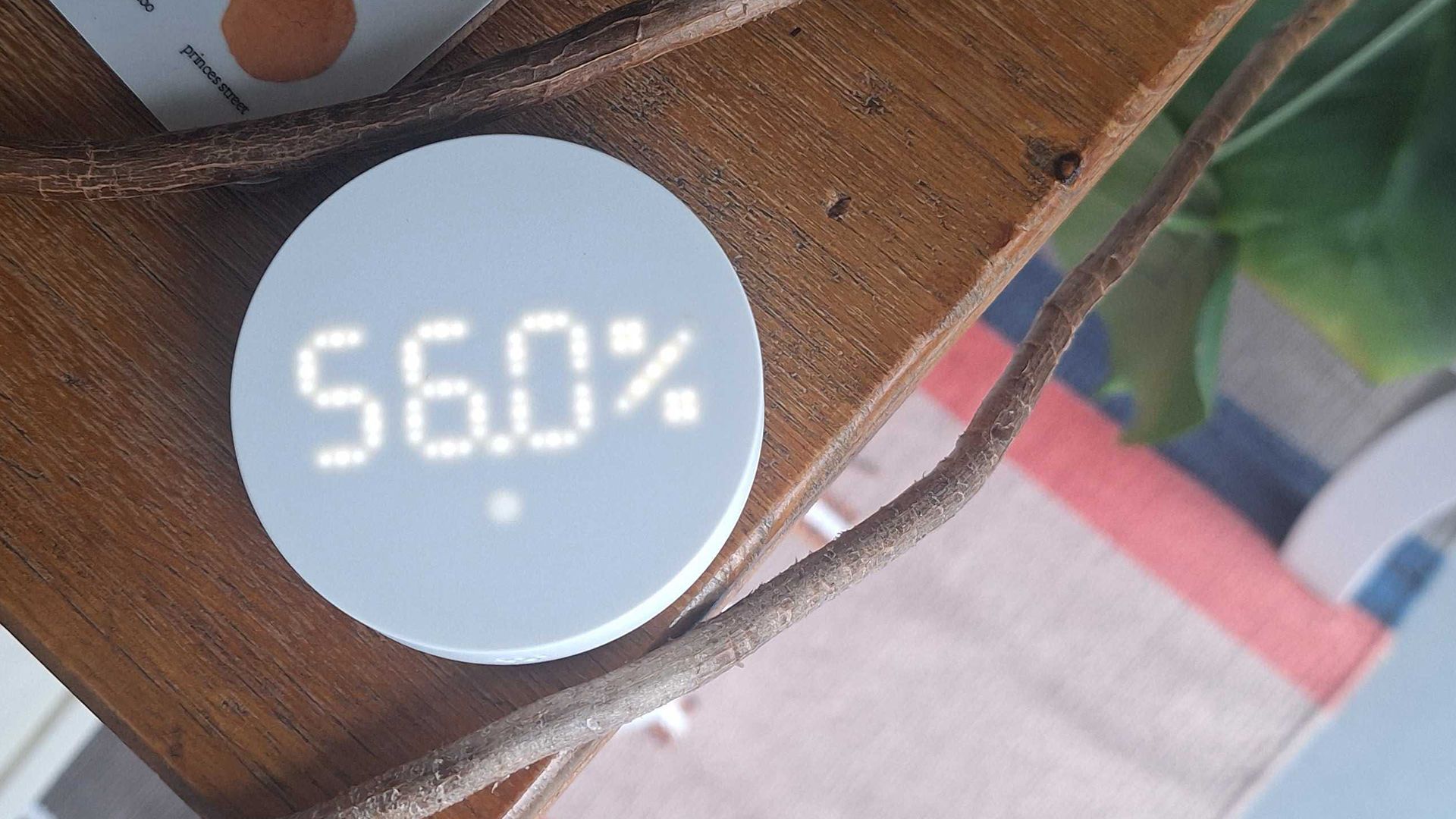
Recently, IKEA unveiled a new range of smart home sensors. Designed to be simple, accessible, and budget-friendly, these products were showcased at CES, where an IKEA representative highlighted their ease of use. The sensors are supposed to function ‘out of the box’, meaning users can set them up without first downloading an app. This was true for the Timmerflotte temperature sensor, which displayed temperature and humidity readings immediately after inserting batteries and switching from Fahrenheit to Celsius.
However, upon attempting to use the IKEA Home Smart app to unlock more features, connectivity issues arose. The app failed to recognize the Timmerflotte sensor despite multiple attempts. A suggestion to use an IKEA Dirigera hub led to confusion. The product page indicated that the sensor operates with the universal standard Matter, but did not clearly state the need for a Thread Border Router to complete setup.
Inquiries to IKEA revealed that successful connection depends on the presence of a Thread Border Router. All new IKEA sensors, including Timmerflotte, utilize Matter over Thread for connectivity. While DIRIGERA includes this essential component, IKEA’s communication around alternative compatible hubs was vague. They do not maintain an official compatibility list, which complicates the setup for users with existing smart home systems.
The lack of clarity regarding hub requirements has raised concerns. Initially, the low price point of the sensors, most priced under $10 (£10), appears attractive. However, when the cost of the DIRIGERA hub, priced at $109 (£60), is included, the overall expense may not justify the investment for those only interested in a couple of inexpensive sensors.
Additionally, some customers have successfully connected their sensors through other Matter-compatible hubs, but reported that the process was not straightforward. IKEA’s FAQs provide limited assistance, particularly in guiding users on integrating their new sensors into existing smart home ecosystems. The situation reveals a significant irony, as David Granath, IKEA’s Range Manager for Lighting and Home Electronics, previously stated that Matter compatibility would remove obstacles for smart home beginners, emphasizing the desire for seamless connections.
In summary, while IKEA’s new sensors aim to simplify smart home integration, the reality is proving more challenging for consumers. The necessity for additional infrastructure, along with unclear communication about compatibility, raises questions about the overall user experience. As IKEA continues to develop its smart home technology, greater transparency regarding setup requirements and compatibility with existing systems would be beneficial. Users are encouraged to share their experiences with alternative hubs for further insights and updates.
The content above is a summary. For more details, see the source article.









