


Key Takeaways
- Australia aims to become a hub for data processing, but the rapidly growing number of datacentres raises concerns over energy and water resources.
- Energy demands from datacentres are predicted to triple in five years, potentially impacting electricity prices and emissions.
- Industry groups advocate for renewable energy investments and responsible water use to mitigate environmental effects.
Growing Concerns Over Datacentres in Australia
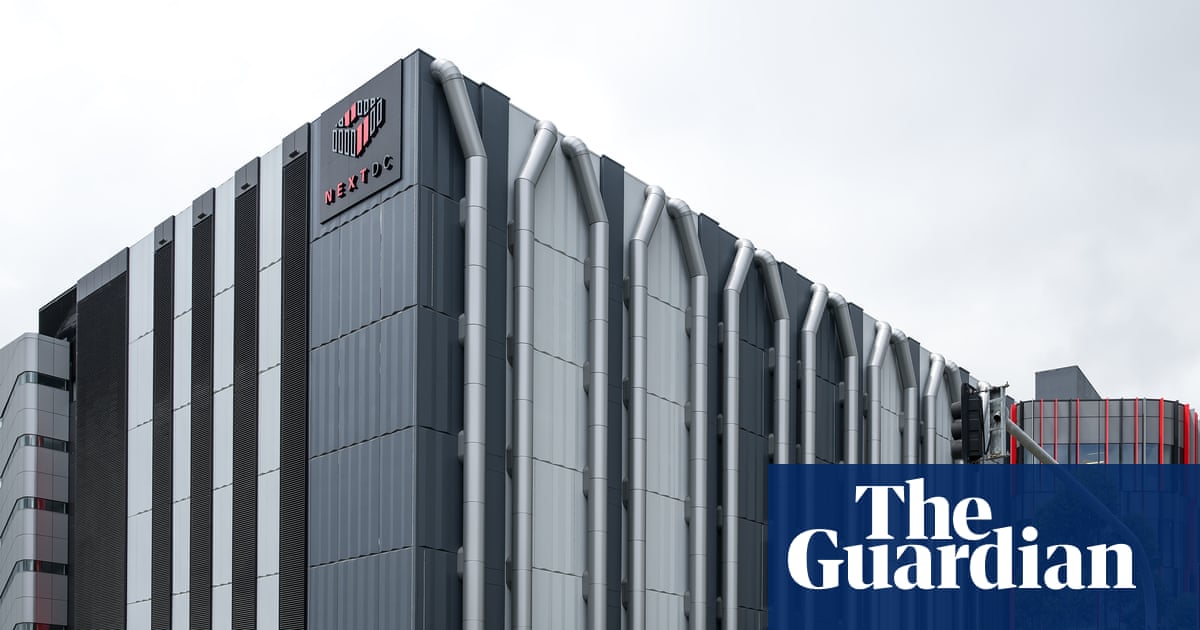
Australia’s growing reliance on digital data has led to a significant increase in the number of datacentres, with 260 currently operating, mainly in Sydney and Melbourne, and more on the way. As technology companies push for Australia to become a data processing hub, concerns are mounting regarding the environmental impacts of these facilities.
Recent discussions have highlighted the energy demands of datacentres, which currently consume about 2% of the national grid’s electricity. Projections from the Australian Energy Market Operator (AEMO) suggest that demand could triple within five years, potentially surpassing the electricity consumed by the nation’s electric vehicle fleet by 2030.
In the U.S., similar issues have arisen. President Trump announced plans to require tech companies to meet their own power needs to avoid raising electric utility bills for consumers. In Australia, Energy Minister Chris Bowen acknowledged the high energy usage of datacentres and indicated that future strategies would aim to incorporate renewable energy solutions.
A coalition of environmental and energy groups is advocating for “public interest principles” that would mandate new renewable energy investments and responsible water usage from datacentre operators. Adam Bandt, Chief Executive of the Australian Conservation Foundation (ACF), emphasized that large tech firms should contribute fairly by ensuring their operations are sustainable.
Experts have warned that the growth of datacentres could lead to increased electricity prices. The Clean Energy Finance Corporation’s report projects that by 2035, rising demand could spike wholesale electricity costs by as much as 26% in New South Wales and 23% in Victoria, driven by the need for more expensive gas peaking generation.
Despite industry claims that datacentres are significant investors in renewable energy, concerns remain about the pace of renewable growth, which may not keep up with rising demand. Researchers warn that, if renewable installations lag behind, added datacentre capacity could hinder emissions reductions from the power sector.
In terms of water resources, while Datacentres Australia describes the industry as modest consumers, forecasts indicate alarmingly high demands. The water requirement in Sydney alone could reach 250 megalitres daily by 2035, equivalent to the total drinking water supply for Canberra.
As inquiries continue into the social, environmental, and economic impacts of datacentre expansion, the balance between technological advancement and sustainable resource management remains a pressing challenge for Australia. The future of both electricity costs and environmental sustainability will depend heavily on how the industry adapts to these growing demands.
The content above is a summary. For more details, see the source article.









