


Key Takeaways
- Good Light, founded by David Yi, is shutting down in April due to increased competition in the K-Beauty market despite profitability.
- Partnerships with major retailers can strain resources for small brands and hinder their original vision and engagement strategies.
- Experts emphasize the need for careful management of partnerships, funding sources, and the importance of building community-based business models.
Good Light’s Closure: Insights and Challenges in the Beauty Industry
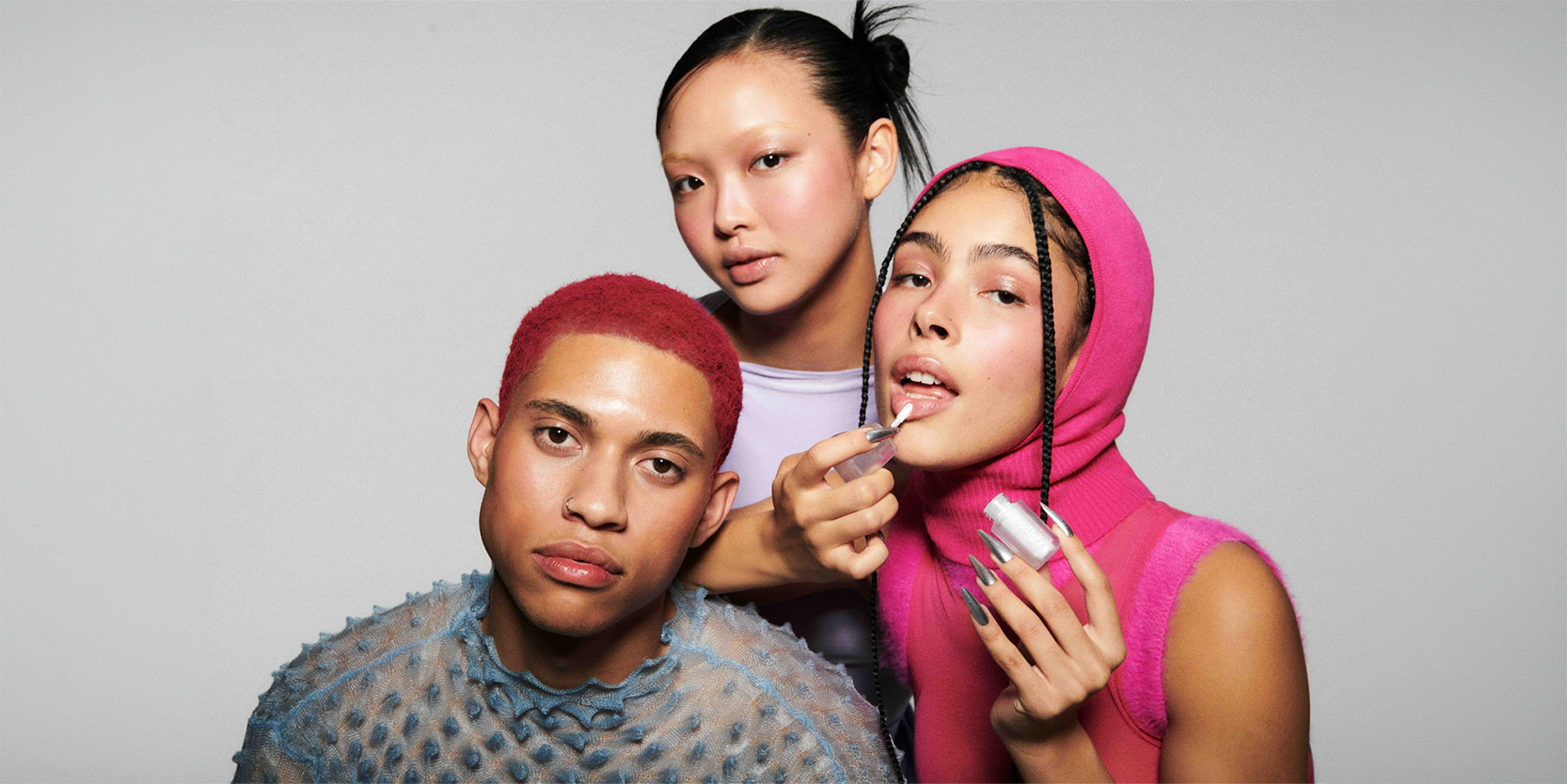
Good Light, a beauty brand recognized for its K-Beauty products, will close its operations in April following a strong rollout in Ulta Beauty stores last year. Founder David Yi describes the difficult decision to shut down as a result of the increasing saturation of K-Beauty products in the American market, which has shifted the brand’s uniqueness to a state of becoming just another commodity. Despite reaching profitability after two years of tightened marketing budgets, the challenges of scaling the brand further have prompted this decision.
Yi shared insights during a podcast episode, indicating that he received interest from other retailers and had the potential to grow the business significantly. Yet, he lacked the energy and resources necessary to pursue further expansion. This speaks to a broader issue within the beauty industry— the complexities of managing growth and partnerships with large retailers.
Odile Roujol, a managing partner at Fab Co-Creation Studio Ventures and an investor in Good Light, echoed Yi’s challenges, noting how retail partnerships, while potentially beneficial, can divert focus away from brand building and community engagement. Brands often struggle to meet the differing demands of large retail partners, especially when significant resources are allocated to fulfilling these relationships. Roujol emphasizes that partnerships with big retailers should be managed incrementally to avoid overwhelming the brand’s foundational efforts.
The conversation also touched on the necessity for brands to establish robust direct-to-consumer (DTC) channels before entering large retail spaces. Entrepreneurs face a precarious environment, where agility in responding to market demands can be stifled by commitments to retailers. Roujol advises beauty brands to be cautious about granting equity to suppliers, recommending that they instead focus on securing partnerships with investors who can provide not only cash but also valuable strategic insights.
Emerging brands should consider alternative funding sources, like family offices or strategic entrepreneurs, over more traditional investors who might impose tighter constraints. The closing of Good Light illustrates the difficulties faced by indie beauty brands in an evolving market landscape filled with competition and changing consumer expectations. It serves as a crucial lesson on the risks associated with rapid scaling while managing retail relationships.
Questions remain regarding whether Good Light could have succeeded under different circumstances, particularly with funding that would have allowed it to compete more effectively. The future of beauty brands may depend heavily on understanding their customer base and leveraging direct-to-consumer avenues such as social media and e-commerce platforms. Transitioning away from dependency on retail can enable brands to cultivate more resilient and interactive relationships with their consumers.
The lessons from Good Light’s journey underscore the importance of strategic foresight, market adaptation, and the ability to remain engaged with core audiences. Entrepreneurs are encouraged to prioritize sustainable growth over rapid expansion, ensuring that they foster an authentic community around their brand, even in a challenging venture capital landscape. Ultimately, brand founders like Yi must be vigilant and proactive in navigating the complexities that retail partnerships bring to their business models.
The content above is a summary. For more details, see the source article.









