


Key Takeaways
- Italy aims to become a key partner in India’s defense self-sufficiency, leveraging specialized technologies.
- India’s shift toward domestic production under the Defence Acquisition Procedure (DAP) 2026 seeks to reduce dependence on foreign systems.
- Strategic alignment between Italy and India enhances both countries’ influence in the Indo-Pacific and fosters high-tech industrial partnerships.
Italy’s Role in India’s Defense Transformation
Italy is establishing itself as a vital ally in India’s efforts to achieve defense self-sufficiency through technology transfer and local production. This partnership aligns with India’s reform of its defense procurement framework under the new Defence Acquisition Procedure (DAP) 2026, which seeks to shift from reliance on foreign supplies to domestic manufacturing with full technology ownership. The revised rules favor collaborations that focus on knowledge transfer and co-development of defense technologies, positioning Italian firms, known for their expertise in areas like propulsion and naval systems, as ideal partners.
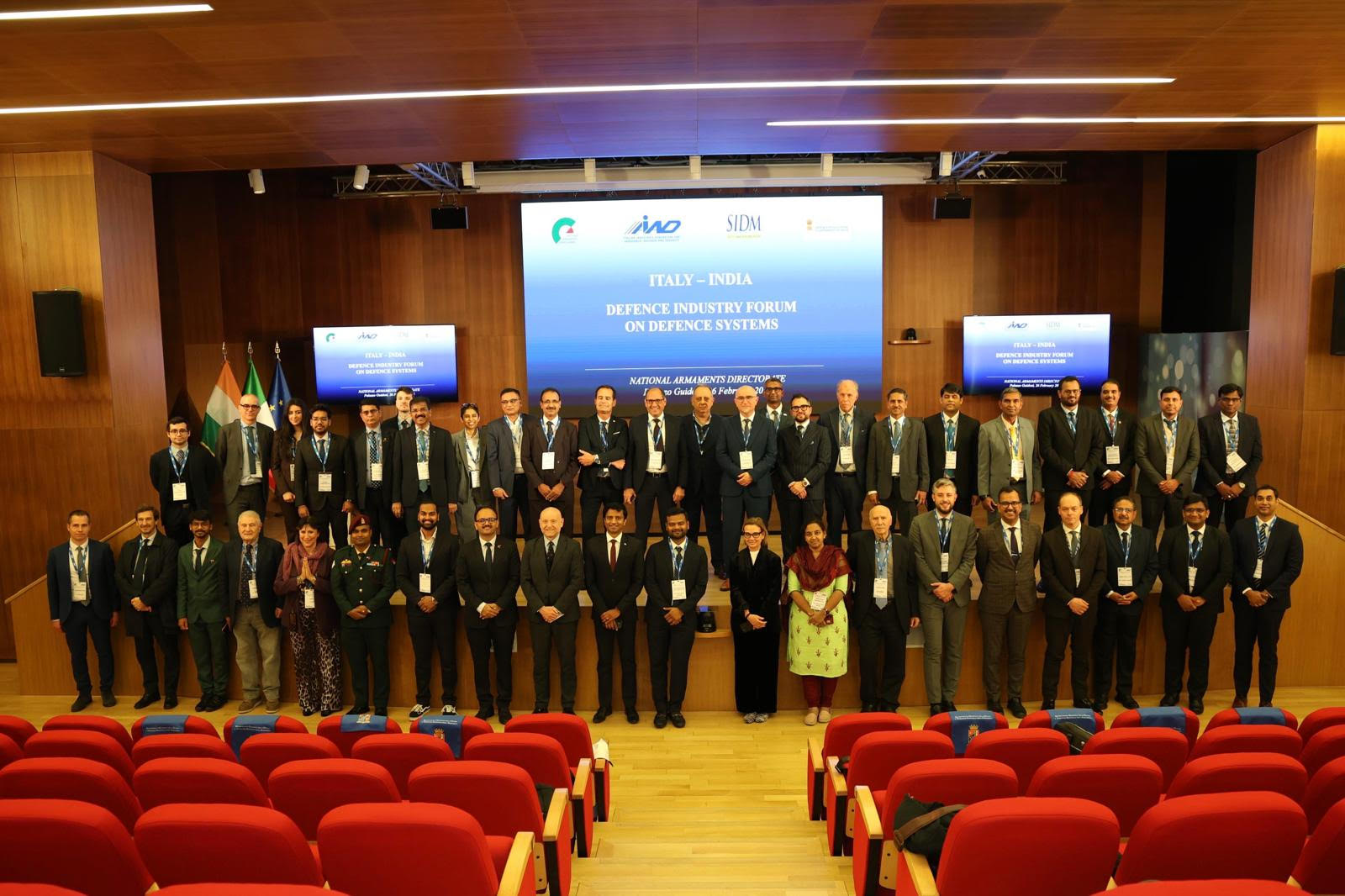
An Industry Forum Italia-India, co-organized by Italy’s Directorate of Armaments (DNA) and India’s SIDM, has been instrumental in bringing key stakeholders together to formalize cooperation. High-level participation, including Italian Rear Admiral Giacinto Ottaviani and India’s Secretary for Defence Production, Sanjeev Kumar, highlights the commitment to deepening collaborative ties. Giuseppe Cossiga, president of the Italian Industries Federation for Aerospace, Defense and Security (AIAD), noted that such initiatives foster structured dialogues between government and industry.
India’s longstanding dependence on Russian defense systems, valued for their affordability, came under scrutiny due to challenges revealed by the Ukraine conflict. Supply delays and a lack of support have propelled India towards fostering local production to strengthen its autonomy and resilience.
For Italy, this collaboration means accessing one of the fastest-growing defense markets and enhancing its strategic role in the Indo-Pacific. Strengthening ties allows Italy to exert influence over critical maritime routes and integrate into evolving high-tech supply chains.
Rome and New Delhi share interconnected interests, with Italy offering technological expertise and credibility in niche areas, while India seeks to diversify away from Russian reliance and rapidly develop its domestic capabilities. Ongoing naval exercises and recent strategic partnerships underscore this growing alignment.
Broader trends reveal that India’s Atmanirbhar Bharat policy reflects a significant shift among emerging powers from being import-dependent to becoming innovative industrial hubs. Italy’s involvement underlines Europe’s selective industrial diplomacy, where technological collaboration meets strategic interests.
Looking ahead, the framework outlined in DAP 2026 will need adjustments to balance local autonomy with technology transfer to sustain interest from Italy and other international partners. Aligning these policies with the expectations of global investors can facilitate high-tech partnerships that support India’s vision for self-reliance.
Ultimately, Italy’s engagement in India is more than a commercial approach; it serves as a strategic foothold in the Indo-Pacific, where European influence has traditionally been limited. By embedding expertise and forming lasting partnerships, Italian firms look to influence the transformation of India’s defense sector, setting a precedent for similar European endeavors seeking to meld technological collaboration with geopolitical presence in the region.
The content above is a summary. For more details, see the source article.









