


Key Takeaways
- Joby Aviation and a partner are launching a joint venture for air taxi services in Tokyo.
- The initiative includes deploying over 100 electric vertical takeoff and landing (eVTOL) aircraft.
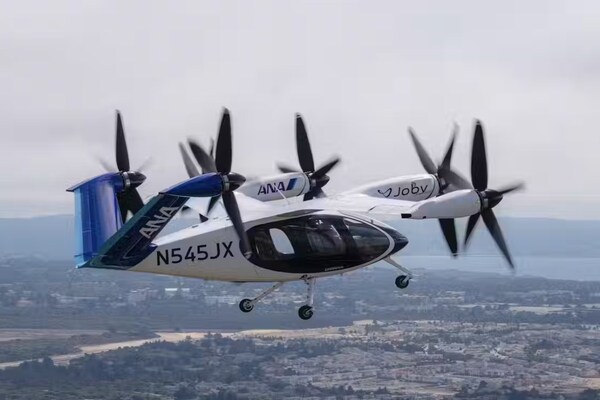
- The eVTOLs will operate like helicopters for takeoff and transition to airplane mode for forward flight.
Joint Venture for Air Taxis
Joby Aviation has partnered with a major player to launch a new air taxi service in Tokyo, aiming to revolutionize urban mobility with electric vertical takeoff and landing (eVTOL) aircraft. The initiative plans to deploy over 100 Joby eVTOLs, creating a modern air taxi network designed to ease congestion and provide faster travel options in urban areas.
The innovative design of Joby’s aircraft allows it to take off and land vertically, similar to a helicopter. Once airborne, it transitions seamlessly into airplane mode, enabling it to fly forward efficiently. This combination of vertical and horizontal flight makes eVTOLs particularly suited for urban environments, where space constraints and traffic congestion pose significant challenges.
The air taxi fleet will help address the growing demand for quicker transportation options in densely populated cities. By introducing this system, the joint venture aims to provide a sustainable alternative to traditional ground transport, which often falls short of meeting commuter needs during peak hours.
In addition to easing transit, the project signifies a significant step toward establishing a comprehensive air mobility ecosystem in one of the world’s largest cities. The partnership is expected to navigate regulatory frameworks, public acceptance, and operational challenges as they strive to launch the eVTOL services.
Moreover, the initiative aligns with global trends toward electric and sustainable transportation solutions, as the aviation industry seeks to reduce its carbon footprint. With advancements in battery technology and increased investment in eVTOL developments, the air taxi concept is moving from theoretical discussions to practical implementations.
As the project progresses, stakeholders will be keen to assess the technological and economic viability of these air taxi services, alongside the environmental impacts of high-volume urban air mobility. The successful deployment of the service in Tokyo may serve as a blueprint for similar initiatives in other metropolitan areas worldwide, promoting the potential transformation of urban transport networks through innovative technology.
The content above is a summary. For more details, see the source article.









