


Key Takeaways
- The White House has exempted certain agricultural inputs from new 10% duties, including key products like potash and specific herbicides.
- Exemptions do not apply to existing 25% tariffs on imports from Mexico and Canada; fresh produce exemptions were not included.
- The agricultural industry has expressed concerns over retaliatory tariffs from countries like China and the EU, potentially worsening financial pressures on farmers.
Details of the Exemptions
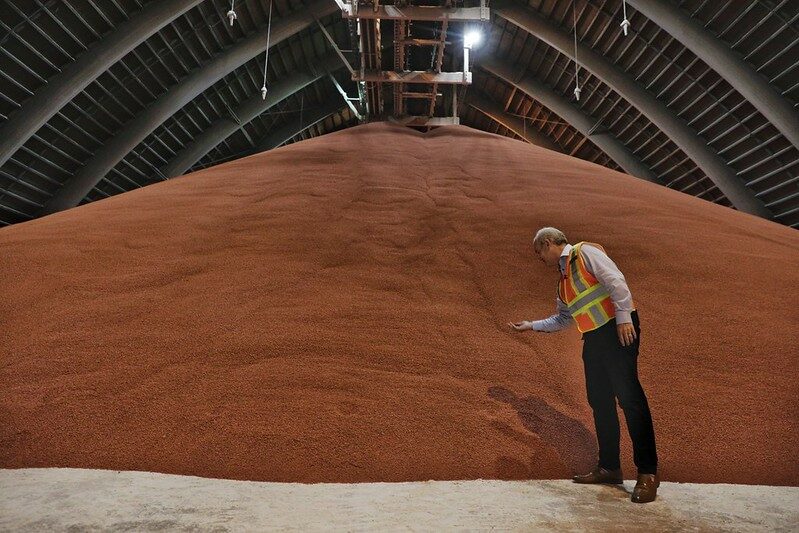
The White House has announced a list of 37 pages detailing agricultural inputs that will be exempt from the new 10% across-the-board duties and reciprocal tariffs scheduled to take effect on April 5 and April 9. Notably included among the exemptions are potash, various herbicides and pesticides, peat, lumber products, lubricating oils, certain energy products, and specific pharmaceuticals, such as tranquilizers and veterinary vaccines. Key herbicides like diquat and paraquat are listed as exempted.
The agriculture sector has actively lobbied for these exemptions in recent weeks. Advocates from organizations like AmericanHort and farm-state lawmakers had pressed for relief on critical inputs. For example, House Agriculture Committee Chairman Glenn “GT” Thompson of Pennsylvania has been vocal about the need for exemptions on potash, nitrogen, and peat moss.
The U.S. heavily relies on imports for many pesticides, particularly from China and India. According to the Department of Commerce, the country imports over 19 million kilograms of paraquat annually, along with more than 3 million kilograms of diquat. Notably, paraquat also received an exemption during the tariffs imposed in the previous Trump administration.
It is important to note that while the new exemptions apply to incoming 10% duties, they do not extend to the existing 25% tariffs affecting Mexico and Canada. These tariffs remain a significant issue, even though Canada supplies a majority of the exempted agricultural products, such as peat moss. Peat imports, primarily sourced from Canada, are still subject to duties imposed under a fentanyl emergency declaration introduced in February.
U.S. agriculture is largely dependent on Canadian potash, with 90% of its potash imports coming from abroad, and Canada accounting for 80% of that. Potash imports that qualify for duty-free exemption under the U.S.-Mexico-Canada Agreement can enter without incurring additional tariffs. However, those that do not meet the criteria are still subject to the current 10% duties outlined in an executive order related to tariffs on Canada.
Although agricultural representatives have sought exemptions for fresh produce and other food items not produced domestically, these requests were not included in the published exemptions.
Betty Resnick, an economist with the American Farm Bureau Federation (AFBF), described the exemptions as a “hard-fought victory” for agricultural organizations, highlighting the concerted effort by farmers and ranchers to secure these trade relief measures. Nonetheless, while these exemptions may provide some financial respite on crucial inputs, they will not alleviate the impact of retaliatory tariffs imposed by foreign governments. Notably, China has responded with a significant 34% tariff on all American exports, and the European Union has indicated that it is preparing countermeasures.
As input prices rise and demand drops, the current economic climate poses a significant threat to farmers. The AFBF analysis emphasizes that these circumstances will intensify the existing financial strain on producers who are already struggling.
The content above is a summary. For more details, see the source article.









