Key Takeaways
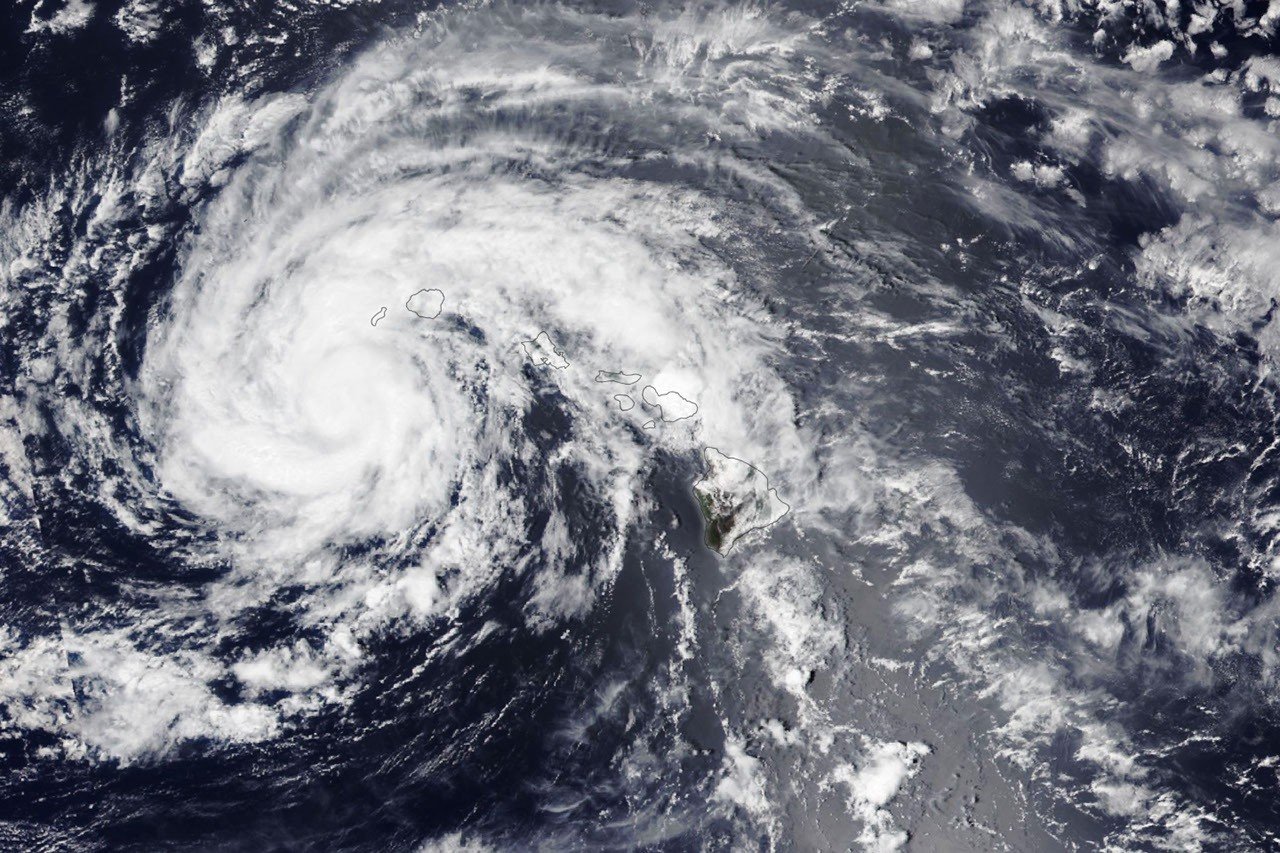
- Hurricane Lala, a Category 1 storm, caused significant damage to the Island of Hawaiʻi on August 15, 2026.
- More than 220,000 customers experienced power outages, and severe flooding impacted infrastructure across the state.
- The 2026 tropical cyclone season has been active due to El Niño, which fuels storm development in the Eastern Pacific.
Hurricane Lala’s Impact on Hawaiʻi
In mid-August 2026, Hurricane Lala narrowly missed a direct landfall on the Island of Hawaiʻi, but it still caused extensive damage as it passed close by on August 15, categorized as a Category 1 storm on the Saffir-Simpson scale. The storm dumped over 20 inches (50 cm) of rain in some areas, leading to flash floods and mudflow risks. The heaviest rainfall was recorded at Laupāhoehoe, which saw 43.55 inches (110.6 cm) by August 17.
As Lala moved along the island chain, it downgraded to a tropical storm with sustained winds of 65 mph (105 km/h) by August 16. The effects of the storm were felt regionally, with strong winds contributing to widespread power outages, affecting over 220,000 customers across the state. The storm’s wind and rain caused significant damage to infrastructure, while floodwaters and debris rendered numerous roads impassable.
In addition to the clear damage on the ground, coastal areas were hit by large waves, and blizzard conditions were reported at the summit of Mauna Kea, which rises more than 13,000 feet (4,000 meters).
Meteorologists noted that the 2026 Eastern Pacific tropical cyclone season has been notably active, which aligns with characteristics of the ongoing El Niño phenomenon. This climate pattern supports the warm water and atmospheric conditions necessary for the development and strengthening of tropical storms, which can thrive with less wind shear—a typical feature of El Niño. In contrast, the Atlantic hurricane season has been relatively quiet, as increased wind shear in that region hampers storm formation.
NASA Earth Observatory images and reports document the aftermath and ongoing challenges faced by the island due to Lala’s impact. As the community begins to recover, the potential for further storms remains a concern, highlighting the vulnerabilities exacerbated by climate conditions.
The content above is a summary. For more details, see the source article.