Key Takeaways
- SCALPSS 1.1 captured a lunar sunset from Firefly’s Blue Ghost lander, operating for just over 14 days.
- It collected nearly 9,000 images and 10 GB of data, which will enhance understanding of lunar regolith interactions with engine plumes.
- The project, developed by NASA’s Langley Research Center, aims to support future lunar missions as payloads increase on the Moon’s surface.
Lunar Sunset Captured by SCALPSS 1.1
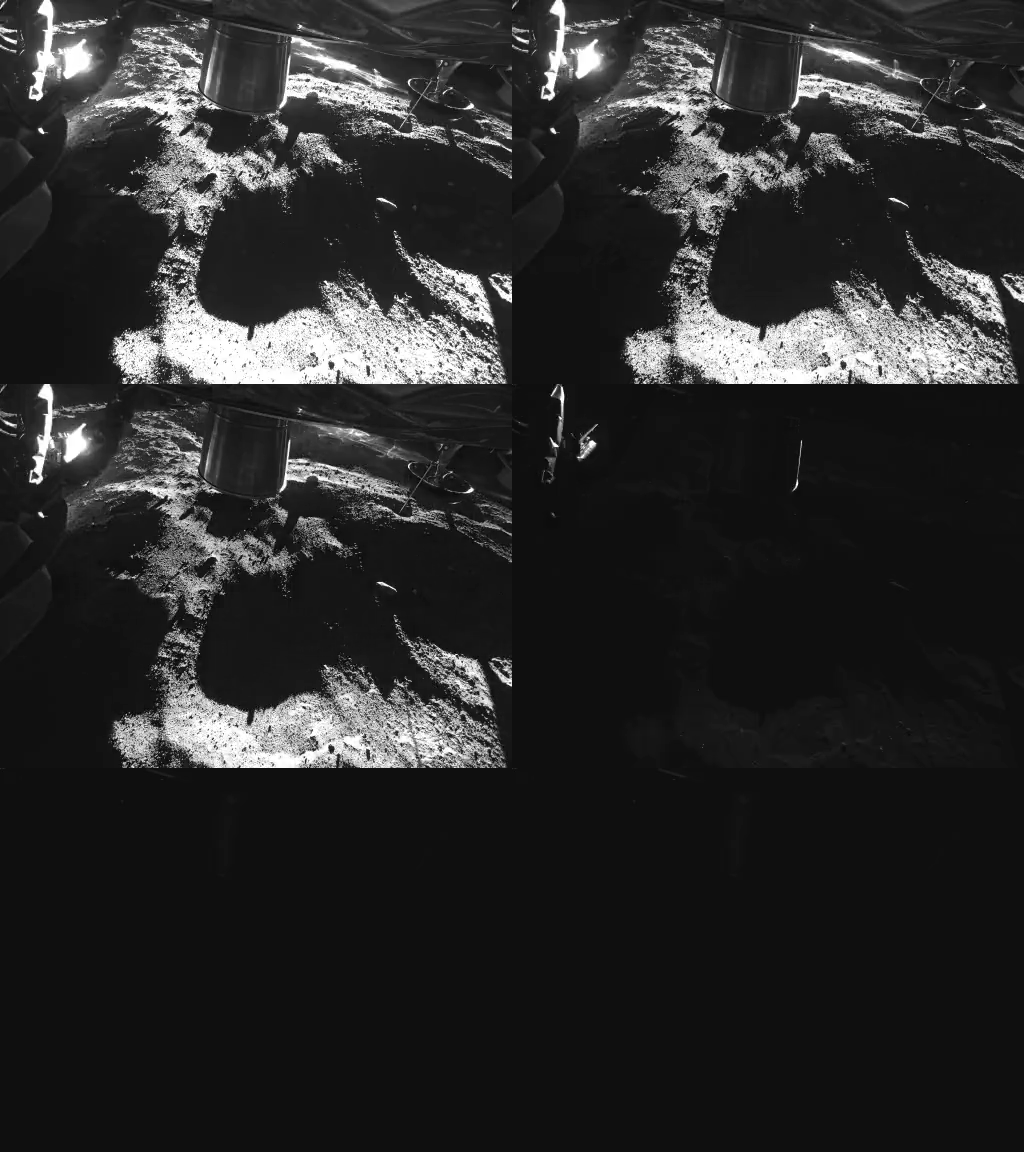
The Stereo Cameras for Lunar-Plume Surface Studies 1.1 (SCALPSS 1.1) has provided stunning visuals of a lunar sunset from Firefly’s Blue Ghost lander, which operated on the Moon’s surface for just over 14 days. The camera system ceased operations as planned a few hours into the lunar night. Throughout its mission, SCALPSS 1.1 captured images every 10 minutes during the sunset, resulting in a unique compressed GIF showcasing the view.
The bright, swirling light visible in the upper-right corner of the image represents sunlight reflecting off the lander. The data collected during this mission is pivotal as it provides insights into how a lander’s engine plumes affect the lunar soil, known as regolith.
The SCALPSS 1.1 system amassed approximately 9,000 images and 10 gigabytes of data. This substantial collection of information is crucial as lunar exploration ramps up, particularly with increasing numbers of payloads landing near one another. Understanding the interaction between lander operations and lunar surface materials will be instrumental in future missions, helping to ensure their success and safety.
The SCALPSS 1.1 project is funded by NASA’s Space Technology Mission Directorate’s Game Changing Development program and was developed at the Langley Research Center in Hampton, Virginia. Collaboration with Marshall Space Flight Center in Huntsville, Alabama, also played a key role in the project.
The rich data set produced by SCALPSS 1.1 not only enhances our knowledge of the Moon but also helps pave the way for more effective and sustainable exploration strategies for future lunar missions.
The content above is a summary. For more details, see the source article.