


Key Takeaways
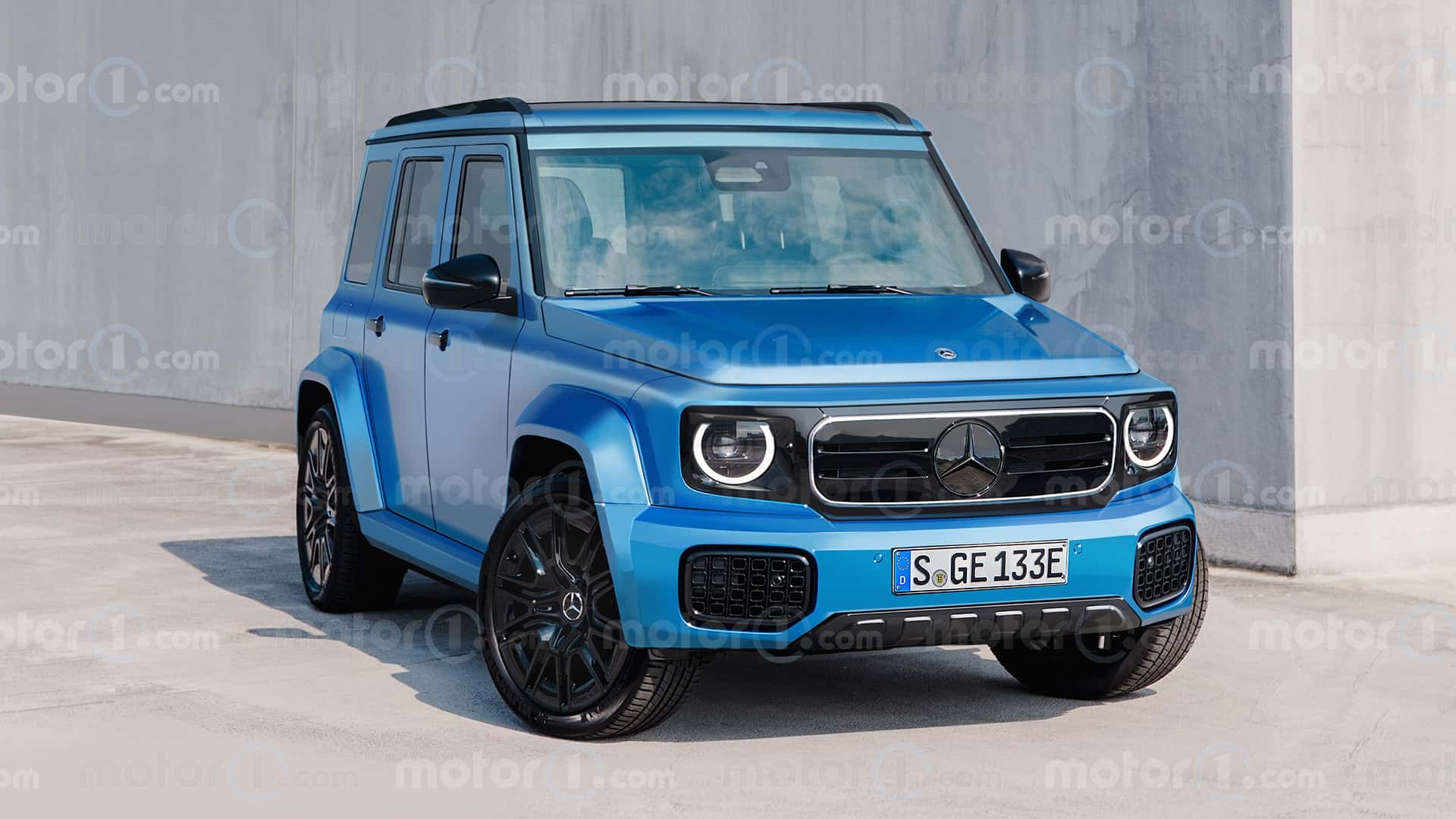
- Mercedes is developing a smaller version of its G-Class, expected to debut in 2027, now with an option for both electric and combustion engines.
- The “baby G” will be built on a platform that combines traditional elements with those from the CLA and GLB, allowing for flexible powertrains.
- The decision to include a combustion engine is influenced by sluggish sales of the electric G-Class and changing regulatory landscapes in Europe.
Overview of the Baby G-Wagen Development
Mercedes plans to launch a smaller version of its iconic G-Class, referred to as the “baby G-Wagen,” scheduled for 2027. Initially aimed solely as a pure electric vehicle, recent reports indicate it will now also offer a combustion engine option, deviating from earlier announcements. This new version will be approximately 30% smaller than the existing G-Class model.
Initially, it was anticipated that the baby G would share its platform with the electric GLC, but recent insights from Mercedes CEO Markus Schäfer suggest a shift. The baby G will now be built on a distinctive platform merging a traditional ladder chassis with components from the new CLA and GLB platforms, which accommodate both hybrid and fully electric powertrains.
This new platform approach provides Mercedes with the flexibility to incorporate a combustion engine. However, as it shares foundation elements with the CLA, significant adjustments will be needed to enhance its off-road capabilities. The electric version of the baby G will reportedly utilize two eATS2.0 motors, one for each axle, potentially utilizing the same 85-kilowatt-hour NMC battery as seen in the electric CLA and GLB. The latter models boast a WLTP range of about 381 miles (614 km), but the baby G’s boxier shape and added weight will likely limit its range.
When comparing the capabilities of the baby G to the larger electric G-Class, it’s unlikely that the smaller model will match the off-road prowess of its predecessor. The larger model can leverage four motors and low-range gearing for superior traction, features that a dual-motor configuration on the smaller vehicle cannot replicate.
Several factors may have motivated Mercedes to alter its strategy during the baby G’s development. One pressing influence appears to be the tepid market response to the electric G-Class, despite its impressive performance. Despite its strengths, consumer interest has been disappointing.
Additionally, looming regulatory changes within the European Union regarding combustion engine sales have shifted. Originally anticipated as a strict ban by 2035, the new regulations will instead impose stringent limitations while allowing manufacturers to retain combustion models longer. Mercedes is positioning itself to offer a diverse range of vehicles to accommodate varying consumer needs and preferences.
This trend of re-evaluating electric strategies is mirrored by several automotive manufacturers, many of whom are launching new electric vehicles but also retaining gas-powered alternatives as a backup. As the automotive industry evolves, the balance between electric innovation and traditional combustion options becomes increasingly complex.
The content above is a summary. For more details, see the source article.









