


Key Takeaways
- New apartment construction increased both month-over-month and year-over-year.
- This rise contributes positively to the overall residential building sector.
- Stronger demand for rental properties is a key factor driving construction growth.
Construction Trends in the Residential Sector
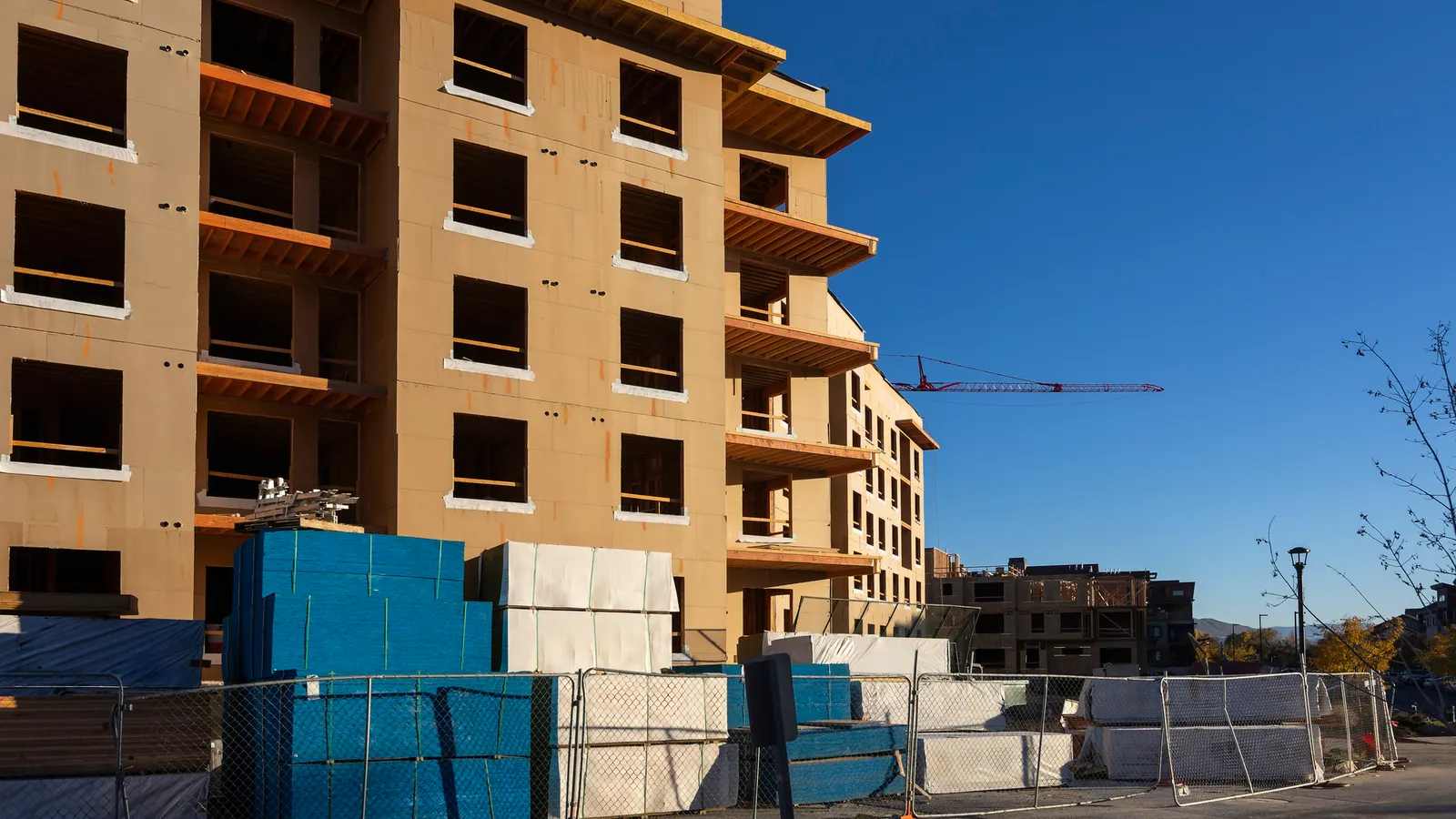
Recent data indicates a significant uptick in new apartment construction, showing positive trends both on a monthly and yearly basis. This increase is an encouraging sign for the residential building industry, which has been experiencing fluctuations in recent years.
The current construction boom is largely attributed to a heightened demand for rental properties. As populations grow and housing needs evolve, more individuals are turning to rental options rather than purchasing homes. This shift in preference is prompting developers to focus on creating more multi-family units to cater to this expanding market. Analysts point out that many renters are younger professionals seeking convenience and flexibility, driving the trend toward urban living.
Furthermore, builders are responding to the complexities of the modern housing market by adopting innovative construction techniques and efficient designs. These advancements in construction technology not only expedite the building process but also enhance sustainability—a growing concern among consumers and city planners alike.
In addition, various economic factors are supporting this newfound construction momentum. Continued low-interest rates make financing more accessible, incentivizing developers to invest in new projects. Additionally, the labor market for construction has shown signs of improvement, with better availability of skilled workers. This positive labor outlook enables construction firms to ramp up production and meet the increasing demand more effectively.
Local governments and municipalities are also evolving to support this housing surge. Many are implementing policies that simplify zoning regulations and expedite the permitting process, aiming to overcome historical barriers that have stifled development. This collaborative effort between the public and private sectors is essential for fostering a healthy residential building environment.
The rise in new apartment construction is not just a trend; it signifies a shift in how housing is perceived and developed in urban areas. With cities grappling with population growth and increasing demand for affordable housing, this focus on multi-family developments is likely to continue. As the industry adapts to new challenges and opportunities, stakeholders remain optimistic about the sustained growth of residential construction in the coming years.
In conclusion, the recent increase in new apartment construction marks a robust phase for the residential sector. As demand for rentals persists and developers rise to meet it, the future seems bright for those involved in residential building. Continued innovation and supportive policies will play crucial roles in ensuring that this growth is not only maintained but also enhanced in the years to come.
The content above is a summary. For more details, see the source article.









