Key Takeaways
- NASA and PickNik Inc. collaborate to enhance robotic technology for Moon missions.
- Robotic arms are being developed to assist in routine tasks, improving mission efficiency.
- NASA’s support has enabled PickNik to advance its software, with applications across various industries.
Advancing Robotic Capabilities for Space Missions
As NASA gears up for long-term missions on the Moon, the integration of advanced robotics is becoming increasingly vital. By deploying robots to handle routine tasks, NASA aims to free up astronauts to focus on scientific exploration. However, the technology necessary for robotic motion control, decision-making, and object recognition presents significant challenges.
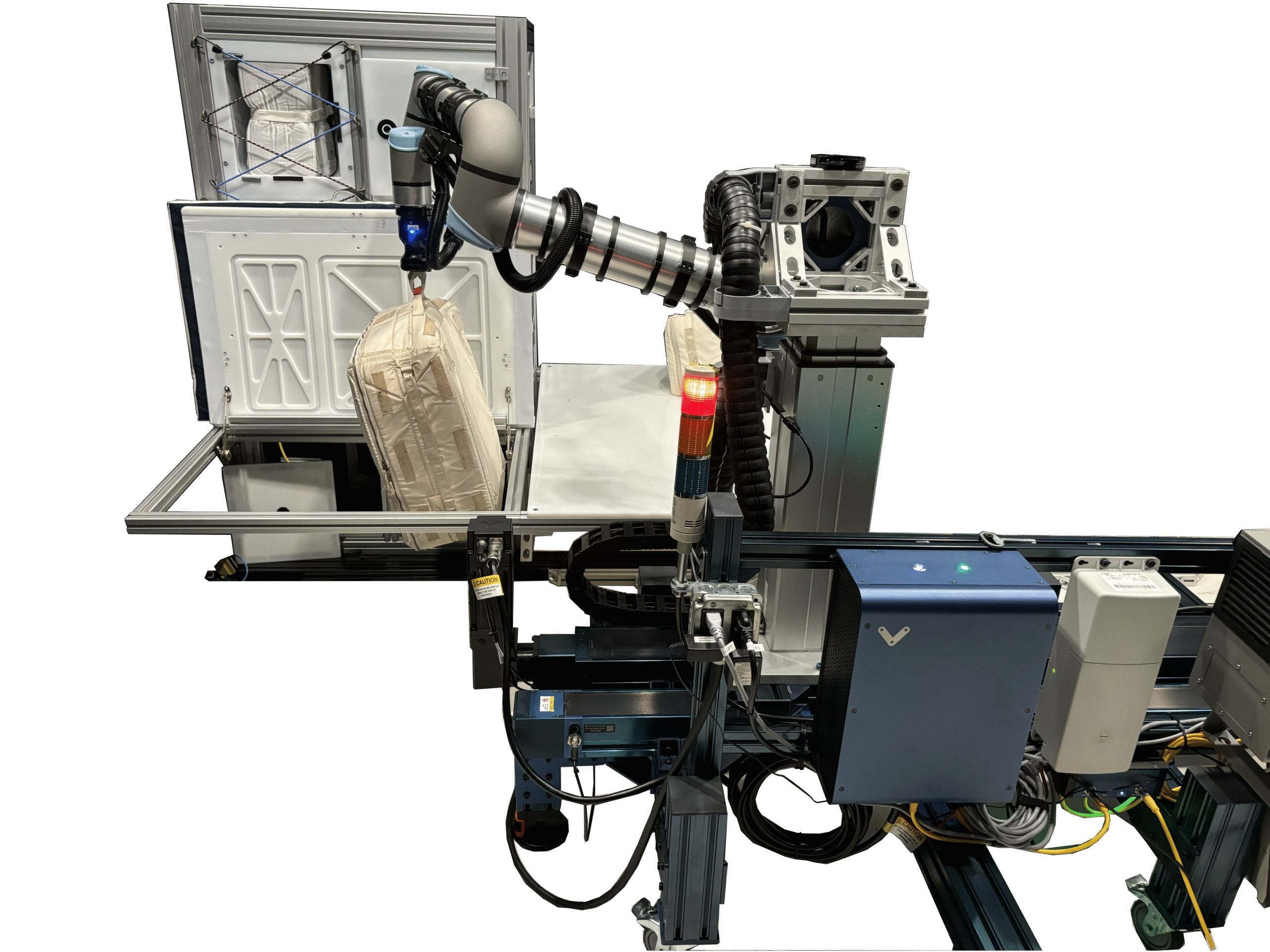
Boulder, Colorado-based robotics company PickNik Inc. is addressing these challenges in collaboration with NASA’s Dexterous Robotics team, led by Shaun Azimi at the Johnson Space Center in Houston. Their recent tests demonstrated a robotic arm’s ability to recognize and operate a spacecraft hatch, including turning latches, grasping handles, and transferring cargo between the hatch and storage bins.
The tests were conducted using NASA’s Integrated Mobile Evaluation Testbed for Robotics Operations, under the auspices of NASA’s Small Business Innovation Research program. PickNik has developed and refined its robotic software, MoveIt Pro, with early governmental funding that laid the groundwork for its commercial release in 2023. Since launch, MoveIt Pro has gained traction in the market, attracting a diverse clientele.
Notable users of MoveIt Pro include BMW, which implements the software in its robotic assembly lines, and Lightspeed, which utilizes it to program large robotic arms for building affordable housing panels. Another company, Hivebotics, has leveraged MoveIt Pro to enhance its cleaning robot’s automation capabilities.
Ezra Brooks, a principal software engineer at PickNik, emphasized that without NASA’s early support, the company may not have developed its product. The creation of effective robotic software demands extensive research and development to refine algorithms, making NASA’s initial backing crucial for PickNik’s success.
NASA’s initiatives not only pave the way for technological advancements essential for Moon missions but also produce benefits for commercial sectors on Earth. For over 50 years, NASA has highlighted the everyday advantages of its space technology through its Spinoff publication.
To learn more about this project and its wider implications, visit NASA’s official page.
The content above is a summary. For more details, see the source article.