Key Takeaways
- NASA’s Blue Ghost Mission 1, launched aboard a SpaceX Falcon 9 rocket, will deliver critical science and technology payloads to the Moon as part of the Artemis campaign.
- The mission features 10 NASA payloads aimed at exploring lunar geology, testing new technologies, and gathering data to aid future human exploration.
- This mission marks a significant step in establishing a long-term human presence on the Moon and preparing for Mars exploration.
Mission Overview
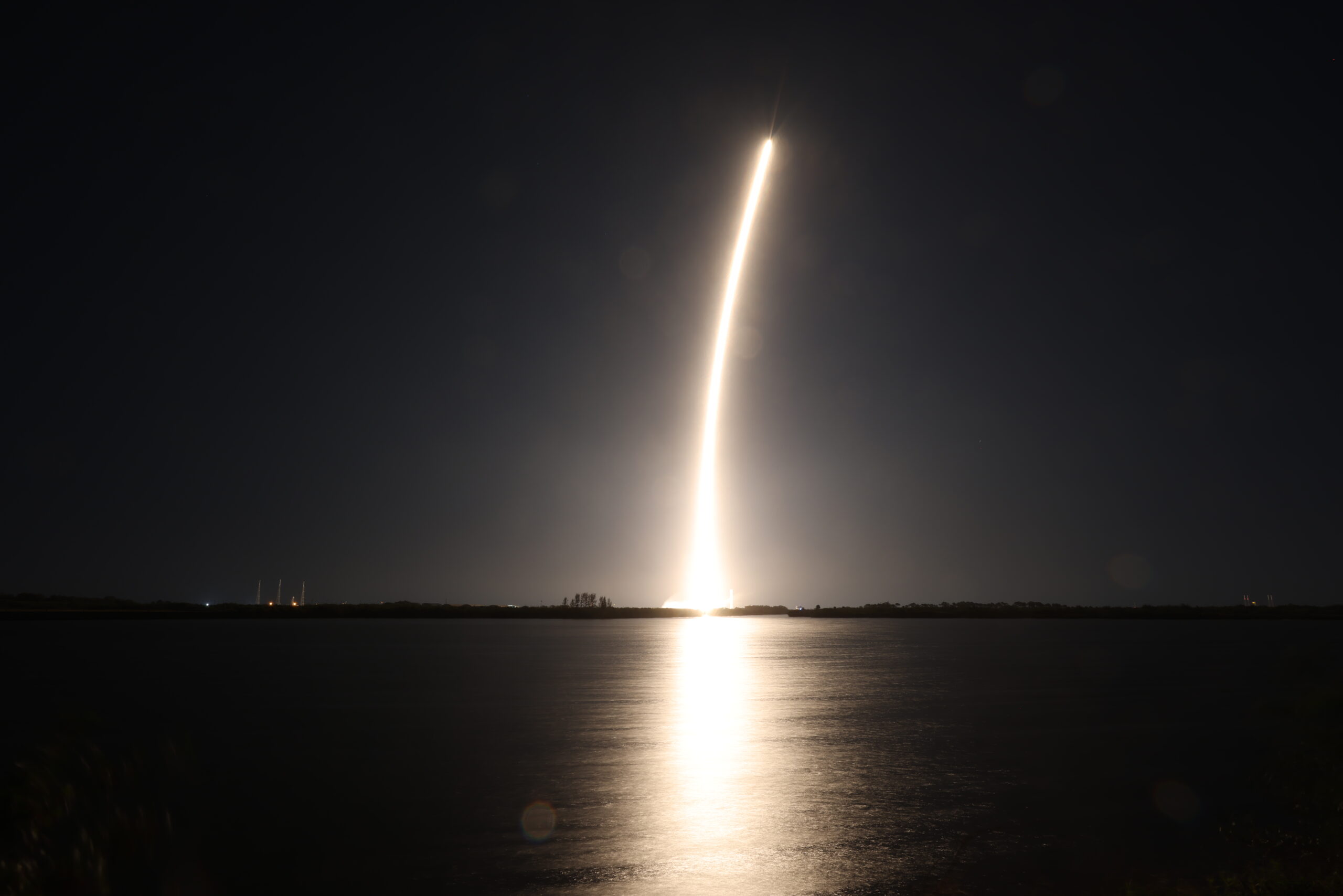
NASA is advancing its exploration goals with the launch of Blue Ghost Mission 1 aboard a SpaceX Falcon 9 rocket. This mission, which took off at 1:11 a.m. EST from Kennedy Space Center in Florida, is part of NASA’s Artemis campaign, aimed at establishing a sustained human presence on the Moon. The lander, developed by Firefly Aerospace, is scheduled to touch down on the lunar surface near Mons Latreille on March 2.
During her remarks, NASA Deputy Administrator Pam Melroy emphasized the mission’s importance, stating, “This mission embodies the bold spirit of NASA’s Artemis campaign.” The Artemis program represents a broader strategy to facilitate space exploration, with each flight serving as a vital step toward achieving long-term objectives, including sending astronauts to Mars.
Scientific Objectives
Once on the Moon, Blue Ghost Mission 1 will focus on a series of scientific investigations and technology demos crucial for future lunar missions and the benefits they may have for Earth. Among the experiments are:
– **Lunar Instrumentation for Subsurface Thermal Exploration with Rapidity (LISTER)** will create a thermal profile of the lunar interior by measuring thermal gradients, reaching depths of up to 10 feet.
– **Lunar PlanetVac (LPV)** will collect regolith samples using bursts of compressed gas, facilitating further analysis.
– **Next Generation Lunar Retroreflector (NGLR)** will help precisely measure the distance between Earth and the Moon, aiding lunar research.
– **Electrodynamic Dust Shield (EDS)** will test a technology designed to mitigate dust accumulation on lunar surfaces, crucial for equipment protection.
– **Lunar Environment Heliospheric X-ray Imager (LEXI)** will study how solar wind interacts with Earth’s magnetic field, which influences space weather.
These payloads are part of NASA’s broader goal to understand planetary processes, search for resources, and develop technologies that will support human exploration on the Moon and beyond.
Future Exploration
The data gathered from these experiments will serve important roles in future lunar exploration and ensure the safety of astronauts and equipment on the Moon. Nicola Fox, associate administrator of NASA’s Science Mission Directorate, remarked, “NASA leads the world in space exploration, and American companies are a critical part of bringing humanity back to the Moon.”
With this mission representing the largest delivery under the Commercial Lunar Payload Services (CLPS) program to date, NASA is set to continue its operations with more missions planned for 2025 and beyond. Each CLPS mission will contribute to a deeper understanding of the Moon, enhancing NASA’s capabilities for both lunar and Martian exploration.
As the Blue Ghost lander aims for a landing in the northeast quadrant of the Moon’s near side, the mission is a crucial step toward answering fundamental questions about the Moon while providing a foundation for future Artemis astronauts. For more information on NASA’s CLPS initiative, visit their official page.
The content above is a summary. For more details, see the source article.