Key Takeaways
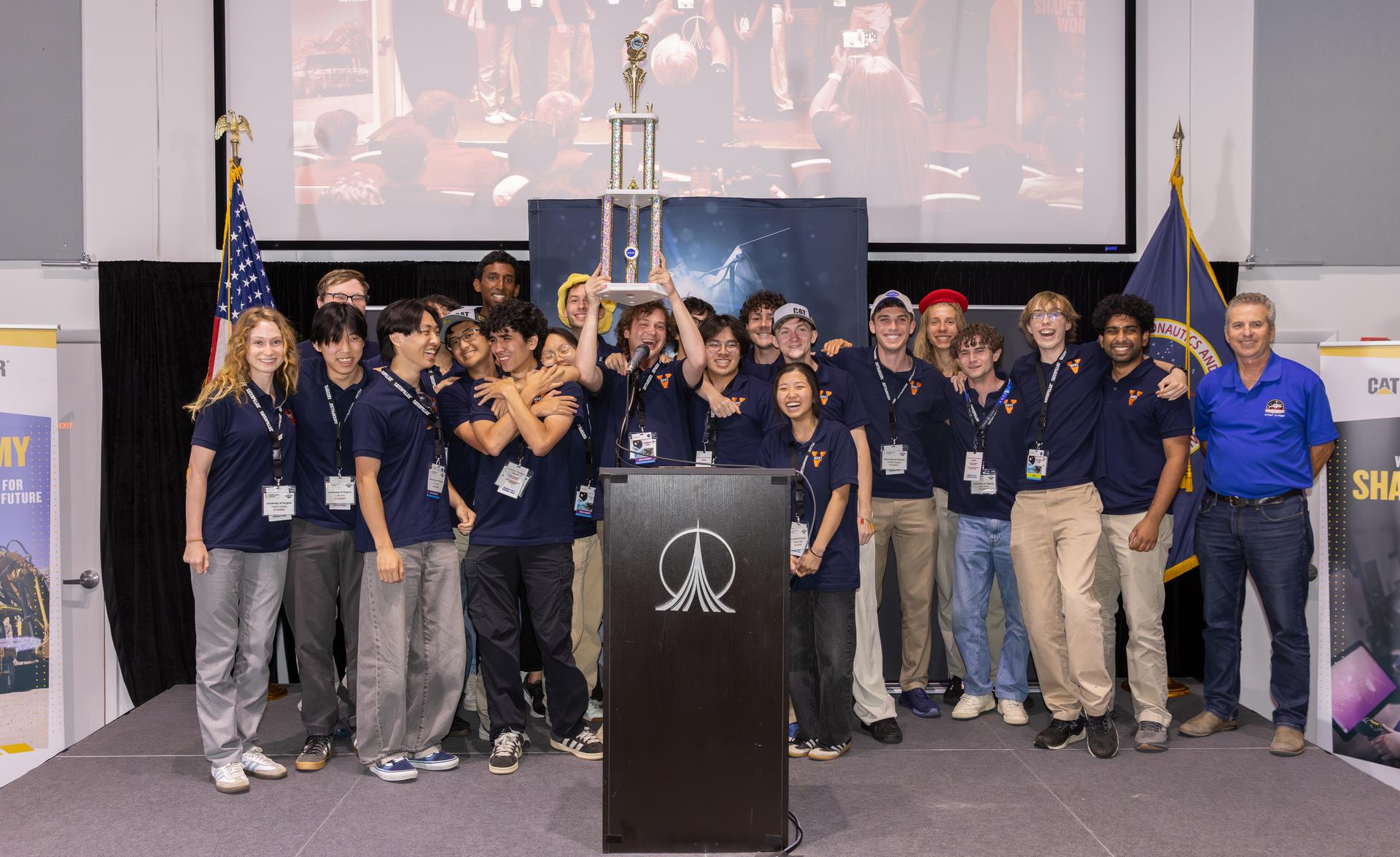
- The University of Virginia won the Off World Grand Prize at NASA’s 2026 Lunabotics Challenge for their overall excellence in robotic design and performance.
- The competition featured a record number of fully autonomous robots, showcasing advances in lunar construction technology.
- Students apply NASA systems engineering principles, preparing them for future careers in space exploration and technology development.
NASA’s 2026 Lunabotics Challenge Celebrates Engineering Excellence
NASA’s 2026 Lunabotics Challenge highlighted the need for resilient, efficient, and autonomous robots crucial for the upcoming Moon Base. Hosted at the Kennedy Space Center Visitor Complex, the event showcased engineering prowess from student teams across the nation, all building robots aimed at lunar construction.
The University of Virginia (UVA) secured the Off World Grand Prize, achieving the highest overall score by successfully completing all competition events. Robert Mueller, a senior technologist at NASA Kennedy’s Swamp Works and judge for the event, noted, “It’s not just one thing that matters—it’s everything in the system.” UVA’s victory highlighted their adaptability; when a wheel malfunctioned during their first run, the team effectively reconfigured their robot and continued working.
The competition, spanning two semesters, required students to design, build, and test lunar construction robots, employing NASA’s systems engineering principles. After an extensive qualification process that whittled down 47 teams to the final 10, robots faced a demanding test of excavating simulated lunar soil, traversing challenging terrain, and building a berm.
Judging criteria extended beyond mere structural performance; teams were evaluated on their engineering plans, systems engineering papers, presentations, and robotic capabilities. The competition’s judges praised the sophisticated adaptability shown by participants, noting that many teams overcame mechanical challenges, including wheel issues and stuck robots.
This year saw a marked increase in fully autonomous robots, rising from 12 to 27, leading to a more competitive atmosphere and improved efficiency in their performance. Rich Johanboeke, project manager for the competition, expressed excitement over the advancements in design and innovation displayed by the teams.
As its name suggests, the Lunabotics Challenge plays a role in advancing technology critical for sustainable lunar exploration. Autonomous robots will be indispensable for constructing protective berms, supporting power systems, and laying the foundation for future lunar habitats—tasks expected to be one of the first implemented at the Moon Base.
Mueller emphasized the significant potential of the Infrastructure Pilot Excavator (IPEx), an innovative excavator being developed at Kennedy’s Swamp Works, which is tailored to perform efficiently on lunar surfaces.
Lunabotics offers students invaluable hands-on experience, fostering industry-level problem-solving skills while also helping NASA address current technical challenges. By completing projects aligned with real-world missions, participants may well transition to careers within NASA as the agency launches its ambitious plans for lunar exploration.
Andrew Ebert, a participant from the College of DuPage, encapsulated the aspiration many students share: “It’s always pushing the boundaries of what has ever been done by humans. In my opinion, it’s the coolest thing you can do in engineering.”
The creativity, resilience, and technical skills of these emerging engineers will significantly influence NASA’s trajectory toward establishing a sustainable lunar presence as humanity prepares to return to the Moon.
The content above is a summary. For more details, see the source article.