Key Takeaways
- Nasa’s new High Performance Spaceflight Computing (HPSC) system promises 100 times the computing power of existing space chips.
- The HPSC is designed to endure extreme temperature variations and radiation, making it suitable for long missions.
- Beyond space applications, the HPSC chip has potential uses in aviation and automotive industries.
Advancements in Spaceflight Computing
As astronauts venture farther from Earth, the demand for autonomous systems that require minimal human oversight grows. The communication delays on missions to the Moon and Mars necessitate these upgrades to enhance data processing and scientific returns. To address this need, NASA’s Game Changing Development (GCD) program has partnered with Microchip Technology Inc. to develop the High Performance Spaceflight Computing (HPSC) system, which just completed its first environmental tests.
Traditional space chips, designed decades ago, are insufficient for the current data demands of missions. The HPSC chip is a solution, offering advanced performance and high reliability in harsh space conditions. This new processor is expected to deliver 100 times the processing capabilities of current systems and is managed by NASA’s Space Technology Mission Directorate.
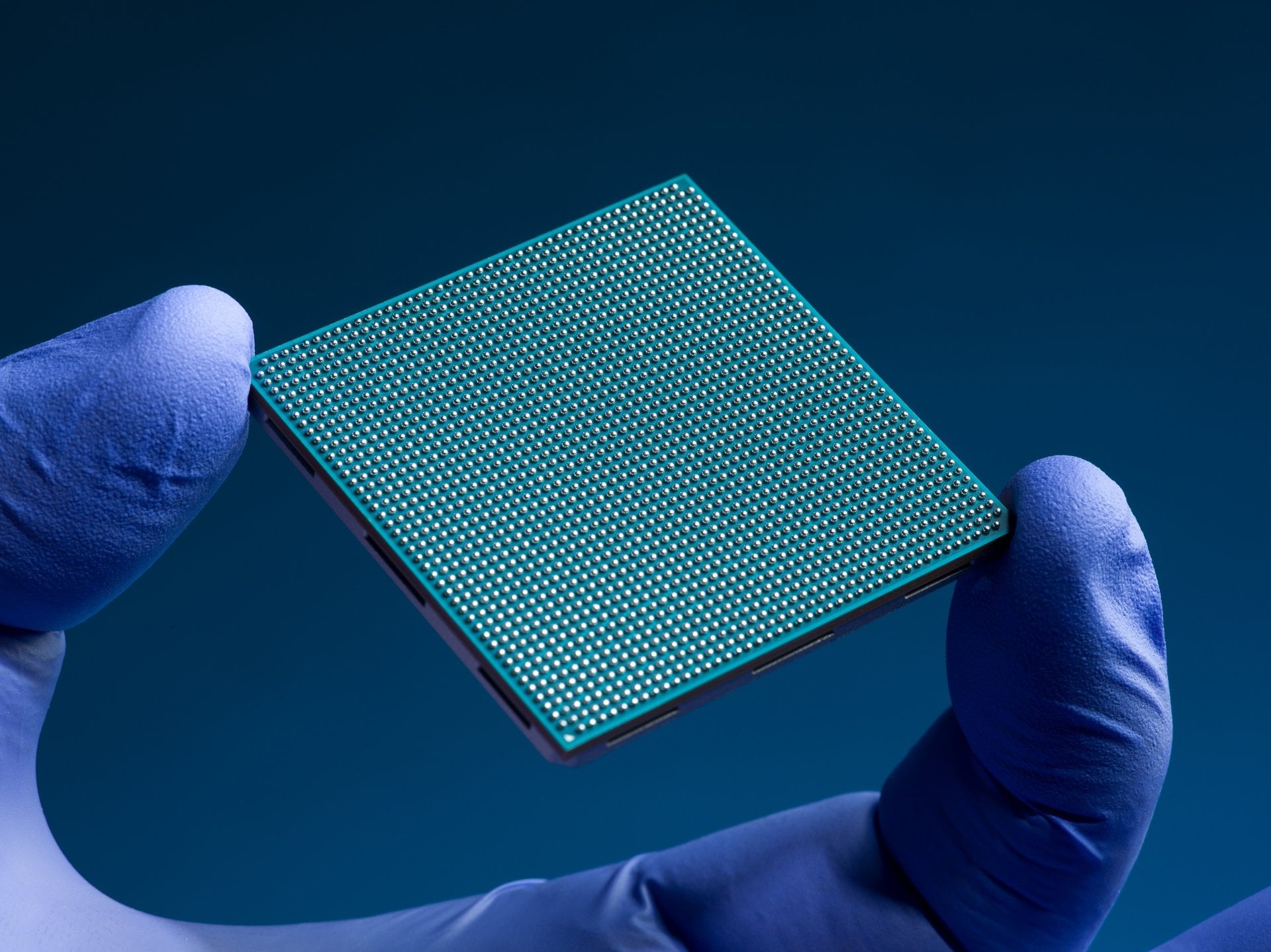
The HPSC is a system-on-a-chip (SoC), integrating essential computing components into a single microchip. Unlike typical SoCs found in consumer electronics, this version is built to last for years in deep space, equipped with fault-tolerance and high performance. According to Eugene Schwanbeck from NASA’s GCD program, the HPSC embodies the agency’s commitment to enhance spaceflight computing.
The new chip enhances capabilities in AI data processing with scalable vector computing, while also being adaptable to power consumption needs. This allows the HPSC to support missions with varying energy demands, crucial for optimizing power, which is limited in space environments.
NASA’s Jet Propulsion Laboratory (JPL) has been rigorously testing the HPSC against challenges like electromagnetic radiation and extreme thermal conditions. The ongoing test campaign began in February, evaluating performance under scenarios mimicking real NASA missions. Initial results indicate the processor may outperform the existing radiation-hardened chips by 500 times.
Once certified for space missions, the HPSC will be integrated into future orbiters, rovers, and habitats. Furthermore, the chip’s design allows for potential applications in earth-bound sectors, including aviation and automotive manufacturing, reflecting NASA’s tradition of technology spinoffs benefiting multiple industries.
In summary, the HPSC system not only represents a technical milestone for NASA but also holds promise for broader applications that could enhance technology on Earth.
The content above is a summary. For more details, see the source article.