


Key Takeaways
- North Korea’s revised Act on Small and Medium-Sized Power Stations aims to improve the country’s unreliable electricity grid by expanding energy sources and enhancing regulatory oversight.
- The updated legislation includes specific penalties for violations, introducing civil liability alongside criminal penalties for stakeholders impacting the power sector.
- New provisions define the law’s jurisdiction, now explicitly covering individual citizens as well as agencies and organizations involved in power management.
Legislative Overhaul of Power Regulation
Daily NK has obtained details of North Korea’s revised Act on Small and Medium-Sized Power Stations, marking a significant update from the original 2007 legislation. The revision reflects the government’s goal to stabilize its often unreliable power grid by emphasizing more effective energy management and diversification of energy sources.
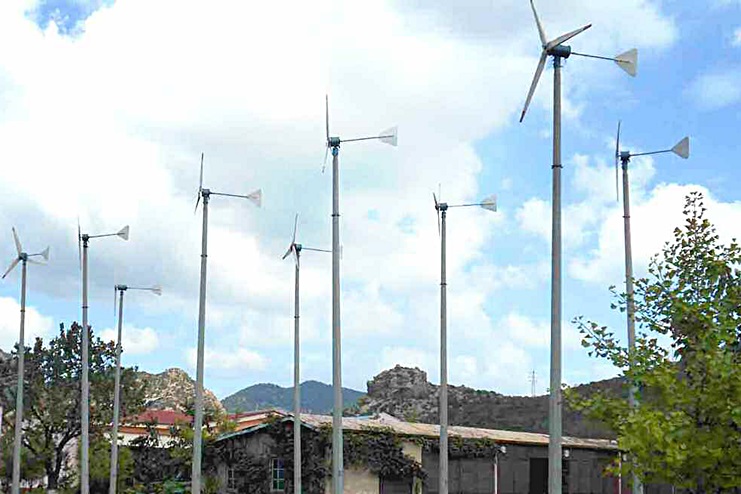
The act expands the definition of small and medium-sized power stations to include multiple energy sources such as hydropower, coal, solar power, wind energy, and biomatter. This shift towards incorporating renewable energies highlights a modern approach to energy generation in the country. Hwang Hyun-uk, a senior researcher at Daily NK’s AND Center, notes that these changes signal a comprehensive vision for North Korea’s energy future.
Key changes in the act include replacing “operating system” with “integrated power management system” in the provisions, which aims to strengthen centralized control over power distribution and management. This integrated system is designed to oversee not just the actual power stations but the entire electrical infrastructure, indicating a move towards a more cohesive national energy strategy.
A major addition is found in Article 8, which clarifies the law’s jurisdiction, explicitly covering agencies, enterprises, organizations, and individuals involved in power station operations. This inclusion aims to eliminate legal ambiguities regarding who is affected by the law.
The revisions also introduce a structured liability framework. Article 51 states that parties causing harm through law violations become civilly liable for penalties, a notable expansion from previous versions that only noted criminal and administrative penalties. The revised law outlines specific fines for various infractions, a marked change from the vague penalties described in the original act. For example, fines range from 1 to 1.5 million won for falsifying reports and lower fines for unauthorized power usage.
Despite these detailed stipulations, there are concerns about the practical implementation of these penalties and North Korea’s ability to uphold environmental protections and upgrade infrastructure. The extent to which these regulations will be enforced remains uncertain, presenting challenges for the country’s energy management efforts.
The content above is a summary. For more details, see the source article.









