


Key Takeaways
- Nuclear energy has lower land, wildlife, and carbon footprints compared to wind and solar energy.
- Advanced nuclear reactors are set to further reduce environmental impacts and waste generation.
- Some environmental organizations support nuclear energy as a critical component of a clean energy future.
Environmental Benefits of Nuclear Energy
The transition to clean energy prioritizes minimizing environmental impact while ensuring a reliable power supply. Historically, renewable sources like wind and solar dominated this discussion; however, growing concerns regarding their ecological footprints have reignited interest in nuclear energy.
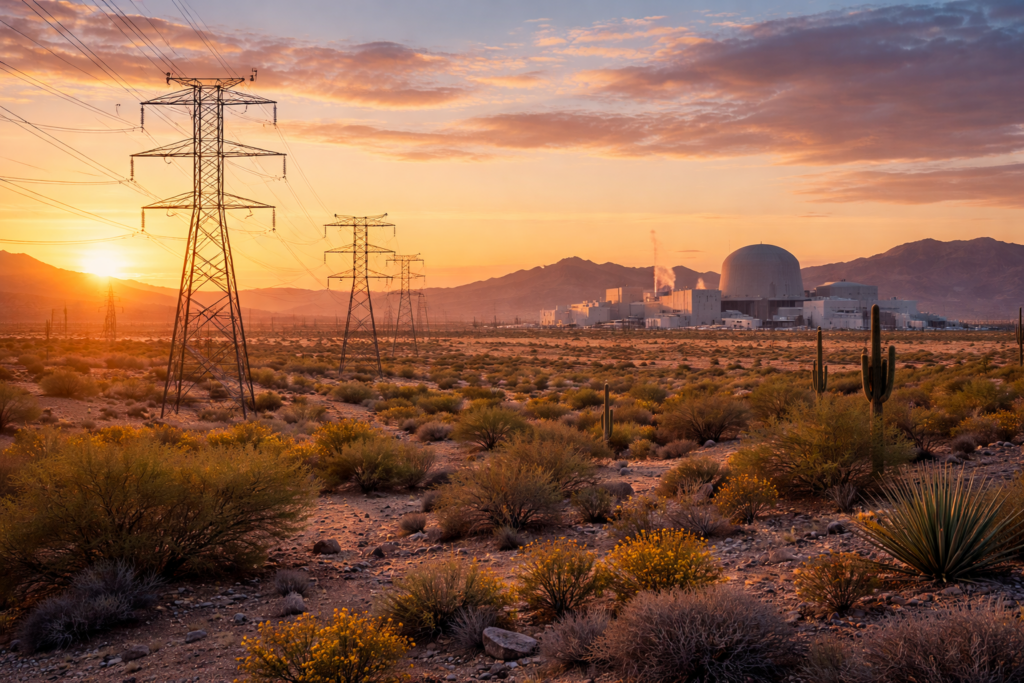
Nuclear power emerges as a highly land-efficient energy source, requiring significantly less space than wind and solar projects. A typical 300-megawatt (MW) wind farm demands around 15,000 acres, while a solar installation requires about 3,000 acres. In contrast, nuclear plants occupy just 1.2 to 1.6 acres per MW, illustrating a staggering advantage in land use.
Wildlife preservation is another critical aspect. Wind turbines are responsible for the deaths of approximately 1.1 to 1.58 million birds and bats annually, whereas solar facilities impact around 140,000 birds each year. In juxtaposition, nuclear energy operations have negligible wildlife mortality, often serving as wildlife sanctuaries due to their secure environment.
When examining emissions, nuclear power also proves superior. Wind generates 12 to 15 grams of CO2 per kilowatt-hour (kWh), while solar has a footprint of 40 to 50 g CO2/kWh. Nuclear is slightly better, producing only 12 g CO2/kWh, largely because it operates at high capacities.
In terms of mineral use, nuclear requires fewer resources compared to its renewable counterparts. Wind and solar projects need significant amounts of rare earth elements and minerals, intensifying land disturbances. Nuclear energy uses only about 5,000 kilograms of minerals per MW.
Waste management reveals further distinctions. Nuclear produces roughly 33 tons of waste per terawatt-hour (TWh) generated, which is minimal compared to wind and solar, producing 160 tons and nearly 1,700 tons, respectively. Additionally, nuclear waste is securely contained, whereas the materials from wind and solar energy can pose environmental risks due to improper disposal.
The evidence is compelling: nuclear energy utilizes less land, has minimal wildlife impact, and generates significantly less waste than wind and solar. This has drawn endorsements from leading environmental organizations, such as the National Audubon Society and the Clean Air Task Force, which advocate for nuclear as part of a balanced clean energy strategy.
Upcoming nuclear designs, like X-energy’s Xe-100 and TerraPower’s Natrium, promise even greater efficiency and reduced environmental consequences. Investing in advanced nuclear technologies is essential for achieving clean energy goals and conserving the environment. The embrace of nuclear energy is crucial for fostering a sustainable and responsible energy future.
The content above is a summary. For more details, see the source article.









