


Key Takeaways
- China’s economic transition is forcing regions to adapt to new growth sectors.
- Kunshan, once a manufacturing hub, is struggling to maintain its appeal to young migrant workers.
- Foxconn’s shifting significance reflects broader economic changes in China.
Transformation in Kunshan: A Changing Economic Landscape
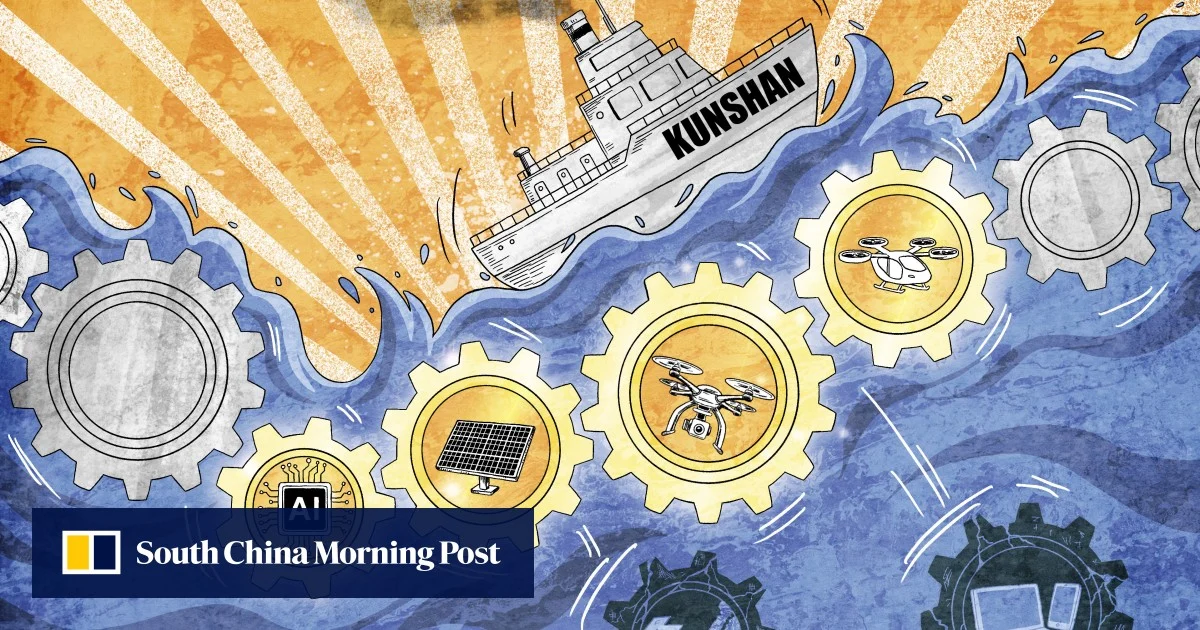
As China navigates a significant economic shift, regions like Kunshan, a city in Jiangsu province, are experiencing profound changes. Once renowned as a manufacturing powerhouse—particularly for electronics—Kunshan faces challenges as traditional industries decline and new ones emerge. In this landscape, the dreams of young workers are evolving, reflective of the broader changes taking place across the nation.
Ma Xuan, a 24-year-old who traveled 900 kilometers to Kunshan after the Chinese New Year, represents a generation grappling with these shifts. He arrived in the early morning, positioned outside a Foxconn factory, a pivotal site for many migrant workers in the past. However, Ma points out that Foxconn no longer holds the allure it once did. “A decade ago, every young person coming to Kunshan hoped to get into Foxconn, but now it is just not the ‘golden bowl’ it used to be,” he commented, indicating a significant change in perception regarding employment opportunities.
For the past three decades, Kunshan was a bustling hub that attracted around 100,000 Taiwanese residents and became integral to the global laptop supply chain, producing a third of the world’s laptops. The establishment of Foxconn’s first plant in Kunshan in the 1990s was emblematic of cross-strait economic integration, driving the region’s prosperity. However, as traditional manufacturing dynamics evolve, the city’s once-reliable growth indicators are faltering.
The decline of established manufacturing is not merely a local issue but part of a broader narrative in China. The need for adaptation is urgent, as areas like Kunshan must innovate and diversify to sustain economic vitality. This transformation process presents challenges, especially for those reliant on the once-stable foundation of manufacturing jobs.
Young workers like Ma are becoming increasingly disenchanted with traditional paths. The perceived stability and opportunities offered by companies like Foxconn are diminishing, pushing new talent to seek prospects in emerging sectors. The landscape now favors adaptability and skill development over mere employment in established firms.
As regions within China continue to adjust to this economic metamorphosis, the narratives of individuals like Ma highlight the human side of such transitions. The shift away from traditional manufacturing hubs necessitates a reevaluation of career paths and aspirations among younger generations. The future of cities like Kunshan may depend on their ability to foster innovation and appeal to a workforce eager for new opportunities.
In conclusion, Kunshan’s journey reflects a broader economic reality facing China as it transitions from its past. The city’s historical significance in global manufacturing is being redefined, and young workers are left navigating a changing landscape in search of new dreams and careers. The adaptation of regions like Kunshan will be crucial to their long-term prosperity in an increasingly competitive and dynamic global economy.
The content above is a summary. For more details, see the source article.









