


Key Takeaways
- China sets a growth target of 4.5 to 5 percent, emphasizing increased funding for R&D and basic research.
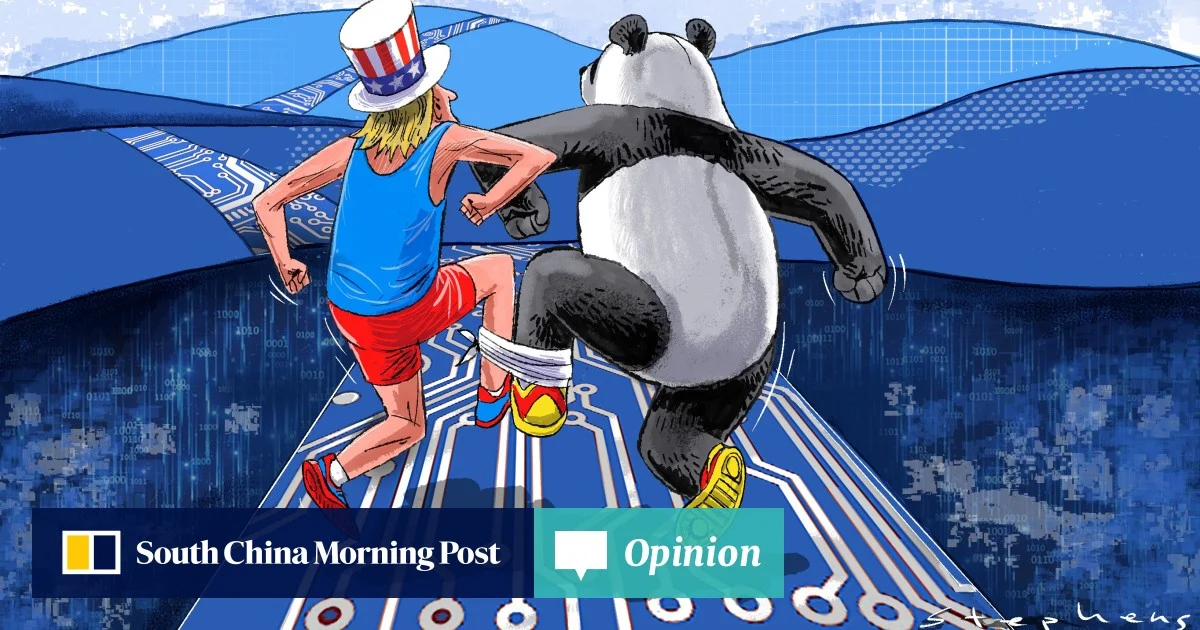
- The relationship with the U.S. is shifting towards intensified competition in technology while maintaining some cooperative avenues in global innovation.
- China aims for technological self-reliance, focusing on core technologies amid U.S. export restrictions on advanced semiconductors.
Policy Priorities Post “Two Sessions”
The conclusion of China’s annual parliamentary “two sessions” meetings has unveiled emerging policy priorities that are expected to reshape its relationship with the United States, particularly in technology. This year, the government work report established an economic growth target between 4.5 to 5 percent, coupled with a significant boost in fiscal support for science and technology. Notably, research and development funding will see a 10 percent increase, while basic research will benefit from over a 16 percent rise. These fiscal adjustments signal a strong commitment to anchoring China’s next developmental phase in scientific capability, technological innovation, and advanced manufacturing.
As the climate of the China-U.S. relationship evolves, it indicates intensified competition, especially in strategic industries. However, there remains a limited yet significant opportunity for cooperation in the realms of global science and innovation. A central theme of the work report is the necessity of achieving “greater self-reliance and strength in science and technology.” This goal underpins a broader recognition that long-term economic resilience is tied to developing indigenous technological capabilities.
The global technology landscape has grown increasingly complex in recent years. Factors such as export controls and U.S. restrictions on advanced semiconductor technologies have significantly impacted China’s technological access. In response, Chinese policymakers are amplifying their efforts to bolster domestic innovation across key strategic sectors. This dynamic hints at a long-term technological competition between China and the U.S. As part of its strategic focus, China is prioritizing important sectors like semiconductors, artificial intelligence, quantum computing, biotechnology, and aerospace—areas identified as crucial drivers of future economic growth.
Overall, China’s renewed emphasis on technological self-reliance and innovation underscores its strategy in the face of external challenges and competitive pressures, particularly from the United States. The outcome of these initiatives will likely play a pivotal role in defining the future landscape of global technology and economic collaboration or rivalry.
The content above is a summary. For more details, see the source article.









